
Building Ambient Agents with Amazon Bedrock AgentCore
A new architectural pattern for AI agents shifts the paradigm from chat prompts to event-driven signals using Amazon Bedrock AgentCore and AWS serverless infrastructure.
 Radwan AbdulhadiEditor and technology writer
Shifting From Chat Prompts to Event-Driven Signals
Traditional artificial intelligence experiences typically require a user to open a chat interface, type a prompt, and wait for a response. While effective for one-time queries, this request-response model limits agents to single-threaded conversations and requires manual intervention before any system can act. To address these operational bottlenecks, developers are exploring new architectural models like Ambient agents as detailed by industry frameworks.
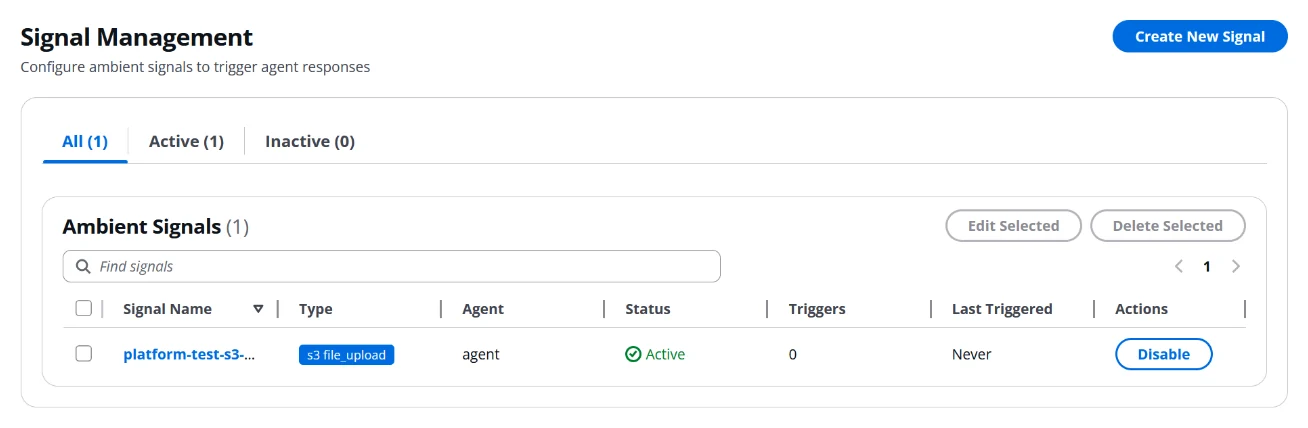
Ambient agents listen directly to event streams across infrastructure components—such as file uploads, database changes, or system alerts—and execute workflows in parallel. Instead of waiting for a human message, the event itself acts as the initial prompt. Organizations running on cloud infrastructure already maintain robust event sources like Amazon S3 event notifications, Amazon EventBridge rules, and AWS Lambda triggers, making it possible to bridge event data with intelligent agent reasoning.
Leveraging Amazon Bedrock AgentCore Runtime
The core infrastructure enabling this event-driven paradigm is Amazon Bedrock AgentCore, a platform designed to build, connect, and optimize agents at scale using any framework or model. AgentCore Runtime delivers a container-based execution environment equipped with built-in session isolation and long-running workload capabilities. Detailed information on platform features can be found in the official Amazon Bedrock AgentCore documentation.
The execution environment supports session lengths capable of handling complete signal-to-agent and human-in-the-loop lifecycles. By integrating AWS Lambda for event processing and Amazon DynamoDB for state management, developers can construct fully serverless ambient-agent platforms. Furthermore, teams can switch foundation models with minimal configuration changes once they manage access to Amazon Bedrock foundation models properly within their target region.
Signal Configuration and Human-in-the-Loop Workflows
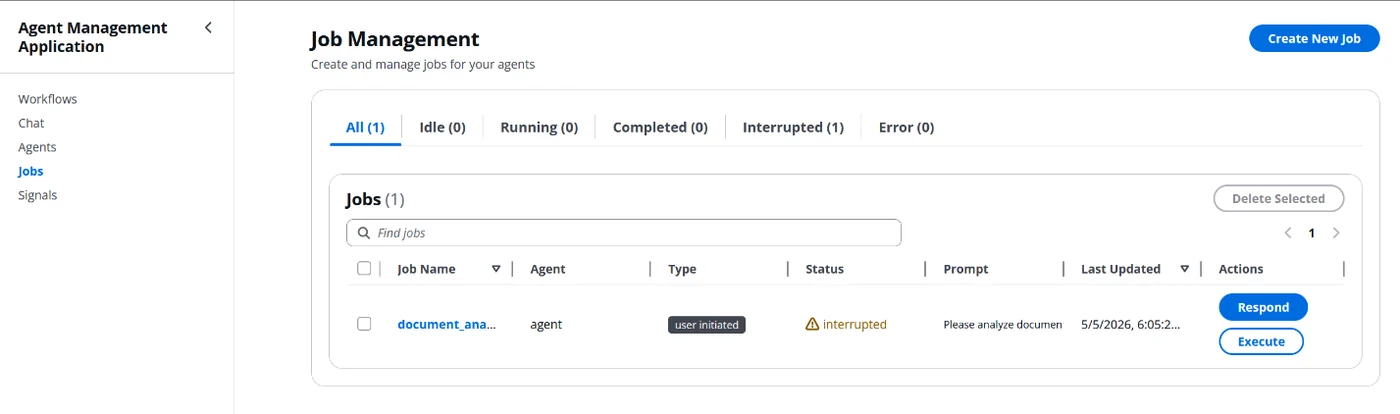
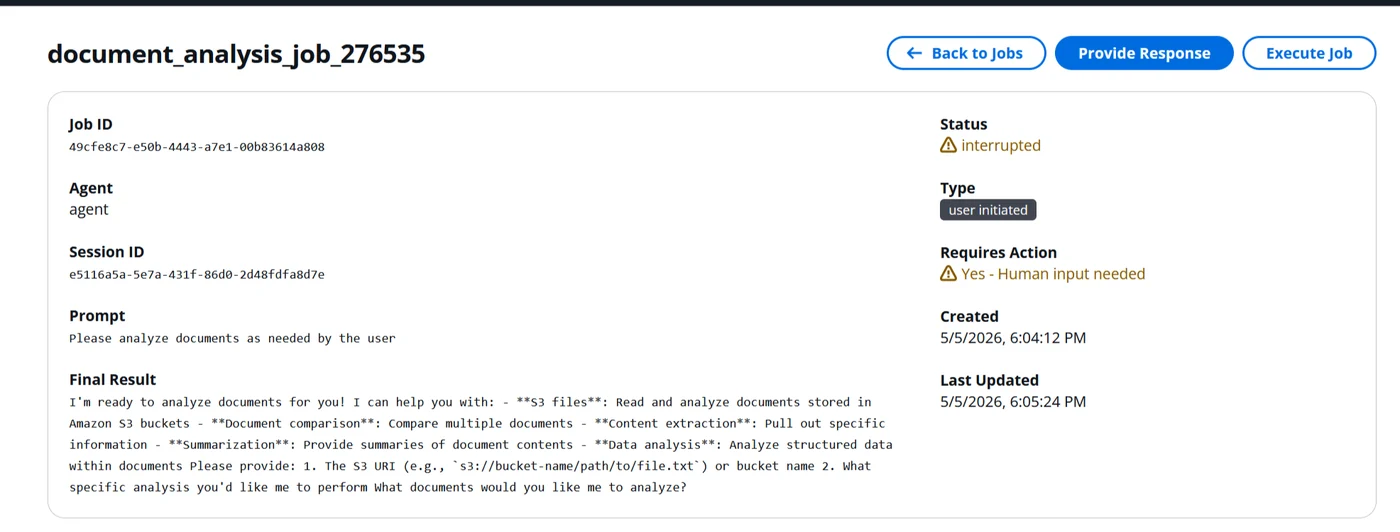
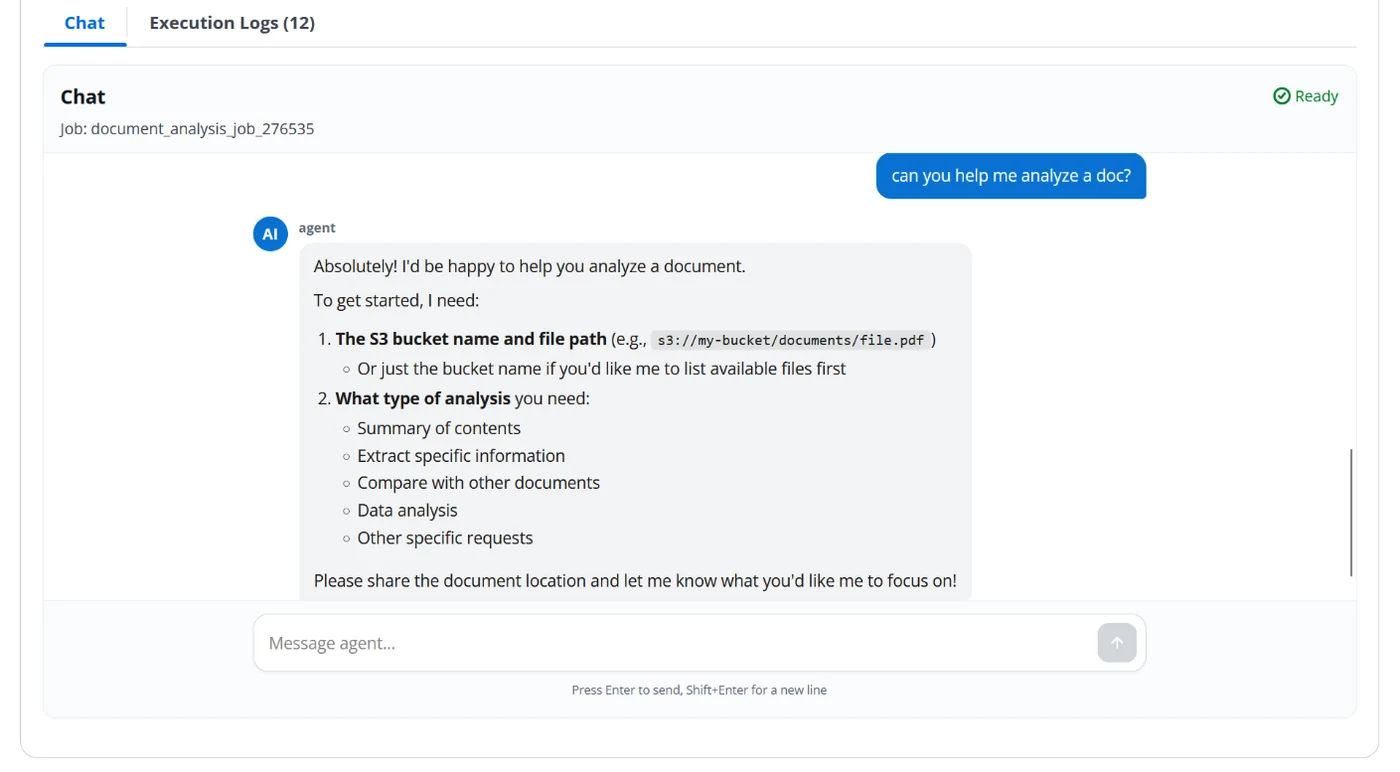
An ambient signal maps specific event sources directly to an agent, automatically generating a job when an event occurs. The behavior of this signal depends heavily on execution settings. When autoExecute is set to false, jobs sit on a review page in an idle status, awaiting human oversight. Conversely, setting autoExecute to true pushes jobs straight to worker queues for immediate autonomous execution, utilizing a single ask_human tool only when clarification or approval is required.
This human-in-the-loop framework lowers deployment stakes and increases user trust. While traditional orchestrators like AWS Step Functions handle automated routing, they lack the nuanced reasoning required to pause for ambiguity and ask clarifying questions. Ambient agents combine this conversational reasoning with automated system monitoring.
Deployment Prerequisites and Reference Implementation
Deploying a complete ambient-agent platform requires several foundational tools and environment configurations. Developers need an active AWS account with sandbox administrator permissions, Python 3.11 or later for backend functions, Node.js 18 or later for frontend interfaces, and a locally running instance of Docker for managing container images.
Additionally, administrators must configure the AWS Command Line Interface (AWS CLI) alongside the AWS Cloud Development Kit (AWS CDK) v2 to properly bootstrap resources in their designated region. Teams can review the complete codebase and deployment steps via the reference implementation provided by AWS samples.
Sources
- AWS Machine Learning BlogBuilding ambient agents with Amazon Bedrock AgentCore: From event-driven signals to human-in-the-loop workflows