Ray-Ban Meta Bug Records Audio Without User Consent
A recently fixed software glitch has turned privacy fears surrounding Ray-Ban Meta smart glasses into reality by recording conversations without user activation.
 Radwan AbdulhadiEditor and technology writer

The Bug and User Reports
A software glitch recently turned one of the primary privacy fears regarding wearable technology into reality, as some Ray-Ban Meta smart glasses were discovered recording conversations without the wearers knowing. According to details discussed across online communities and covered by <a href="https://about.fb.com/news/2026/09/introducing-ray-ban-meta-audio-glasses-new-styles-plus-muse/">Android Authority</a>, the unexpected recordings occurred without users uttering the required prompt phrase, "Hey, Meta."
The issue gained public attention after <a href="https://www.reddit.com/r/RaybanMeta/comments/1x4n96n/warning_my_rayban_meta_glasses_are_recording/">some users</a> shared online accounts detailing how their smart glasses captured conversations without explicit consent. A Reddit user under the username Kindly-Audience-137 reported that the problem affected multiple devices despite having the "Respond without Hey Meta" setting turned completely off. The user noted that the Meta AI app stored both audio recordings and text transcripts of these unprompted conversations directly inside their conversation history.
Expressing concern over the security lapse, the affected <a href="https://www.reddit.com/r/MetaGlasses/comments/1x4o2dm/comment/pgfb0l2/?utm_source=share&utm_medium=web3x&utm_name=web3xcss&utm_term=1&utm_content=share_button">said</a> that customers should not have to wonder whether private conversations are captured when the AI assistant has not been intentionally activated. They also mentioned first noticing the strange behavior following a recent firmware update, though Meta has not officially confirmed whether a faulty update caused the bug.
Meta's Response and Scope Uncertainty
Following inquiries into the issue, Meta issued a brief response indicating that the problem has been addressed. The company stated that the issue has been resolved and reminded users that they can manage, review, and delete voice logs of their interactions with Meta AI through their settings at any time.
Despite the assurance that the bug is fixed, Meta has not clarified what originally caused the glasses to record without user consent, nor has it disclosed the total number of devices affected. Reports indicate that independent attempts to replicate the problem before Meta pushed out the fix were unsuccessful, leaving the exact scale of the incident unclear.
Broader Privacy Concerns and Past Controversies
Even though only a handful of devices were publicly reported to be affected, the glitch has amplified long-standing anxieties surrounding wearable gadgets equipped with <a href="https://www.cnet.com/tech/mobile/meta-ray-ban-audio-only-smart-glasses-first-impressions/">microphones</a> and cameras. Privacy advocates have consistently warned that the inconspicuous design of modern smart glasses makes secret recording exceptionally easy, raising the risk of nonconsensual data capture in public spaces and private environments alike.
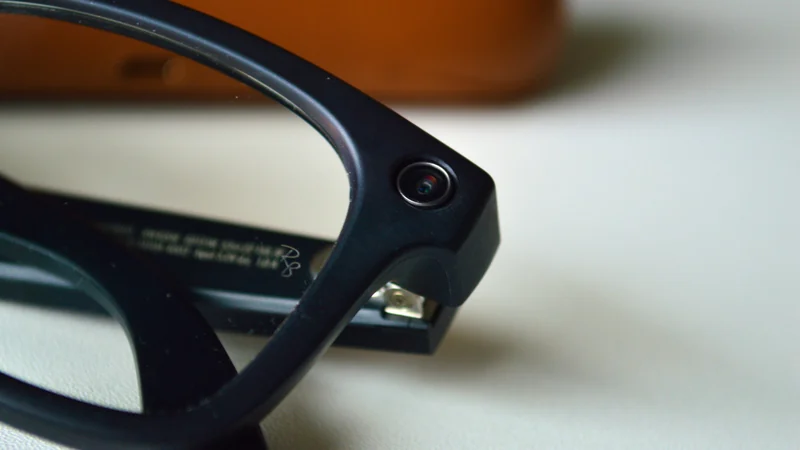
Meta has historically attempted to mitigate these concerns by highlighting that the glasses feature an indicator light that activates during audio or video recording. However, the recent bug demonstrates that inadvertent recording can still occur, casting doubt on the absolute reliability of hardware-based visual indicators.
This latest technical glitch arrives amid a backdrop of broader scrutiny regarding Meta's hardware ecosystem. The company has remained <a href="https://www.usatoday.com/story/tech/news/2026/09/23/meta-camera-free-smart-glasses/91913146007/">steadfast</a> in its push to integrate recording devices into consumer products, including smart glasses worn <a href="https://www.theverge.com/tech/999517/meta-vr-glasses-connect-2026-hands-on/">on their faces</a> and hardware previously deployed <a href="https://arstechnica.com/gadgets/2022/08/metas-portal-clings-to-relevance-by-turning-into-a-secondary-mac-pc-display/">in people’s homes</a>.
Data Annotation and Ongoing Regulatory Scrutiny
The incident also recalls prior controversies involving data handling practices for Meta's hardware products. Earlier this year, reports emerged detailing how <a href="https://arstechnica.com/gadgets/2026/04/meta-cuts-contractors-who-registered-seeing-ray-ban-meta-users-have-sex/">Contractors for Sama</a>, a data annotation firm, reviewed privacy-sensitive footage captured by Ray-Ban Meta glasses without the knowledge of the wearers or subjects. Those disclosures led to class-action lawsuits in the United States and an investigation by Texas Attorney General Ken Paxton.
While Meta previously updated its smart glasses software in August to prevent recording if the indicator light is physically obstructed, the recent bug highlights that technical malfunctions can also trigger unintended data collection from well-meaning users. As lawmakers in various regions consider stricter regulations—such as a potential temporary ban in Norway—the persistent risk of nonconsensual recording remains one of the most significant drawbacks facing smart glasses adoption today.
Sources
- Ars TechnicaBug turns one of the biggest fears about Ray-Ban Meta smart glasses into reality
Continue chronologically

Related entity coverage
Related stories
4 Ray-Ban Meta Privacy Settings to Change Now
Explore four crucial privacy settings for Ray-Ban Meta smart glasses to manage cloud storage, AI training features, and voice wake phrases.

Ray-Ban Meta Audio Review: Camera-Free Smart Glasses
Meta's new Ray-Ban Meta Audio smart glasses drop the built-in cameras to deliver an audio-only experience with improved comfort and privacy.

Can AI Glasses Replace Your Daily Prescription Eyewear?
Explore the pros and cons of replacing your regular prescription glasses with AI smart glasses, including weight, battery life, and privacy concerns.
Meta Brings Private Processing Infrastructure to AI Glasses
Meta expands its Private Processing confidential computing infrastructure to AI glasses, enabling secure cloud-based AI processing without exposing user data.