
Swedish Startup Tests Autonomous Strike Drone AI
A Swedish startup has successfully demonstrated a loitering munition capable of independently identifying and engaging targets. The system operates autonomously using onboard AI, requiring no external communication or continuous human oversight.
 Radwan AbdulhadiEditor and technology writer
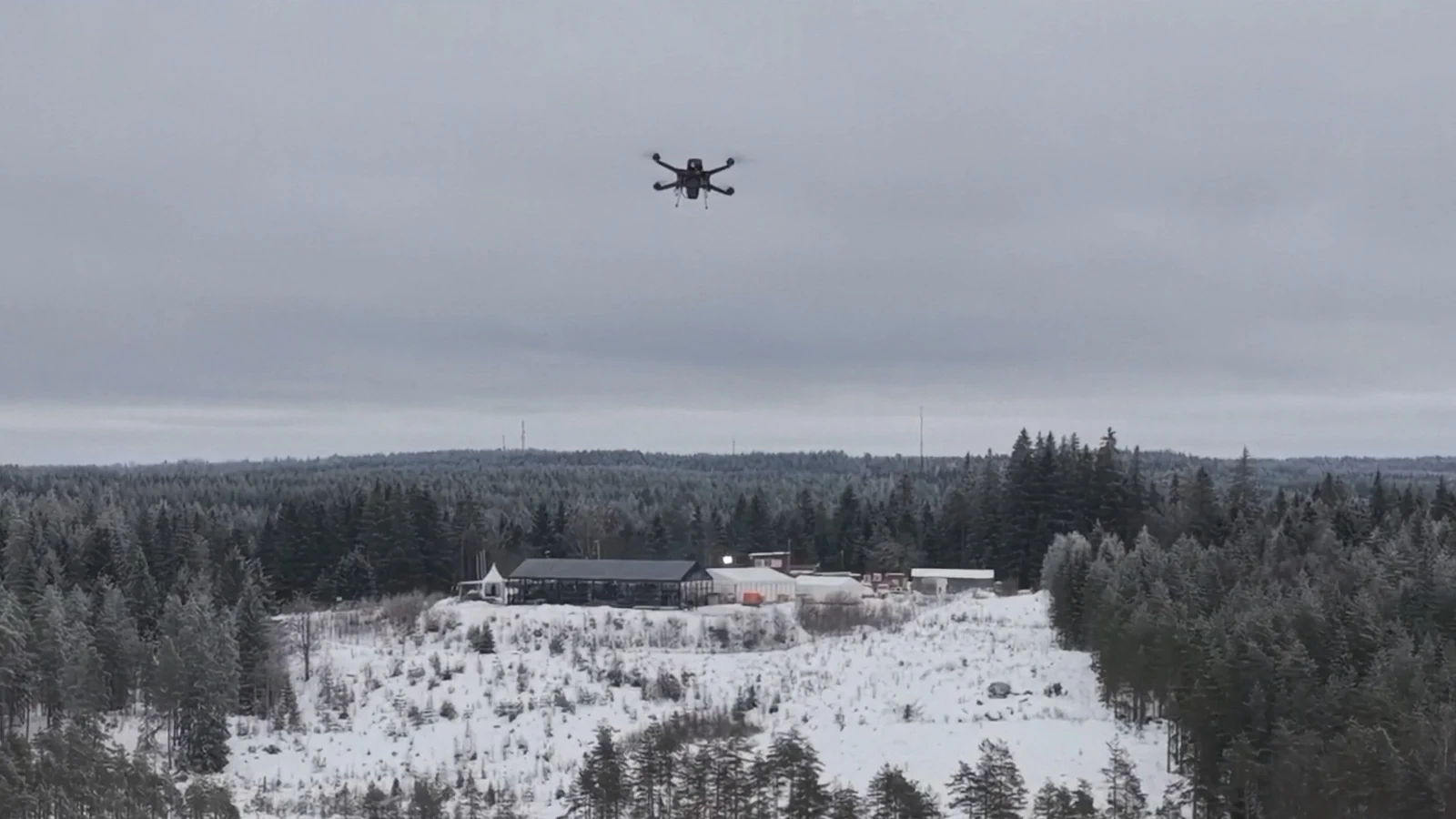
Autonomous Target Engagement in Winter Conditions
Swedish AI startup Scaleout Systems recently showcased a significant advancement in autonomous military technology during the BAE Systems Bofors Winter Demo 2026. The demonstration featured a loitering munition that autonomously identified, geolocated, and ranked potential targets before executing a strike. As reported by Tom's Hardware, the system is designed to function with minimal manual intervention, effectively carrying out complex mission parameters without the need for constant human pilot input.
The mission was conducted under challenging conditions, specifically at temperatures as low as -18 degrees Celsius. During this Arctic test, the Airolit S1 airframe successfully ran the YOLOv8 Nano object-detection model using the Nvidia Jetson Orin Nano. The system achieved a stable 30 frames per second at a velocity of 20 meters per second, proving that sophisticated AI-driven reconnaissance can be handled locally on low-cost hardware.
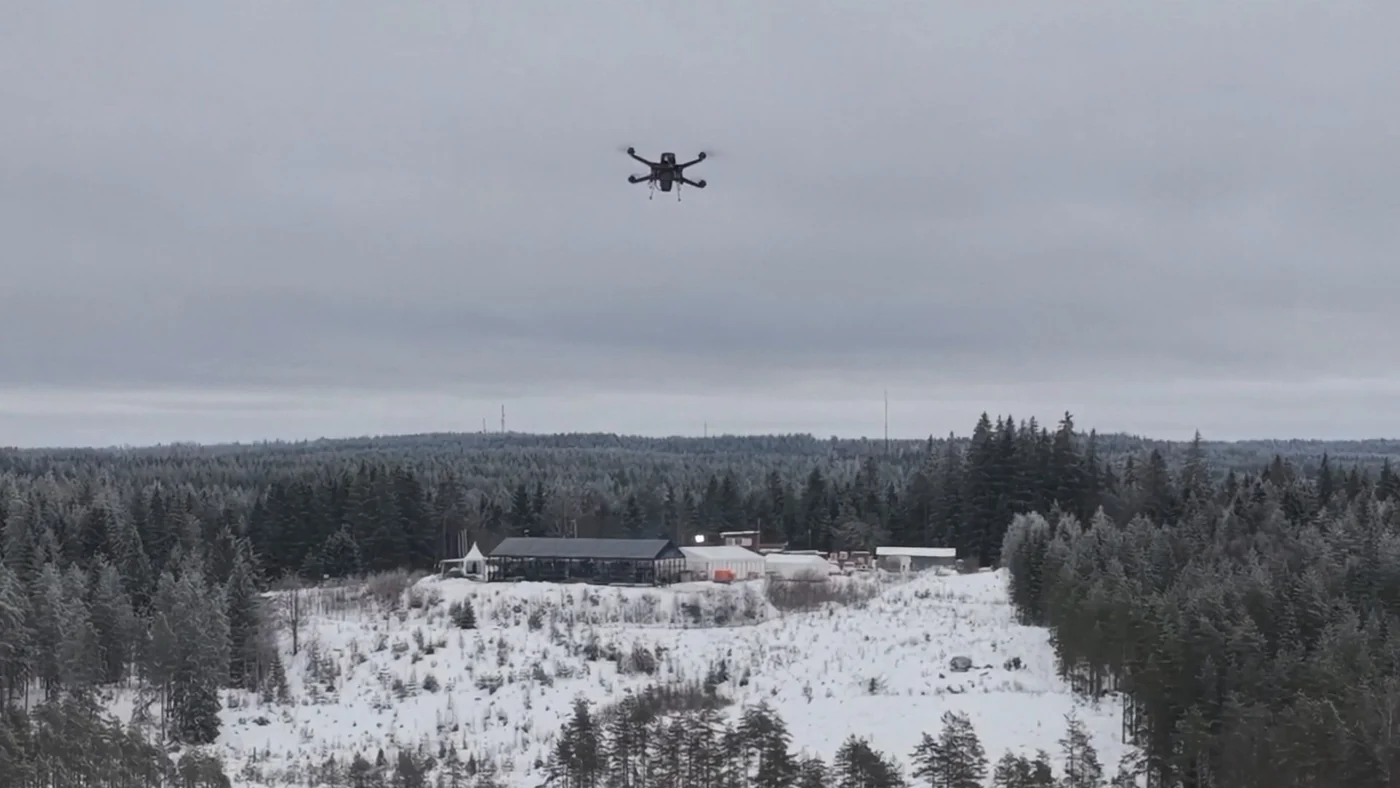
Resilience Through Edge Intelligence
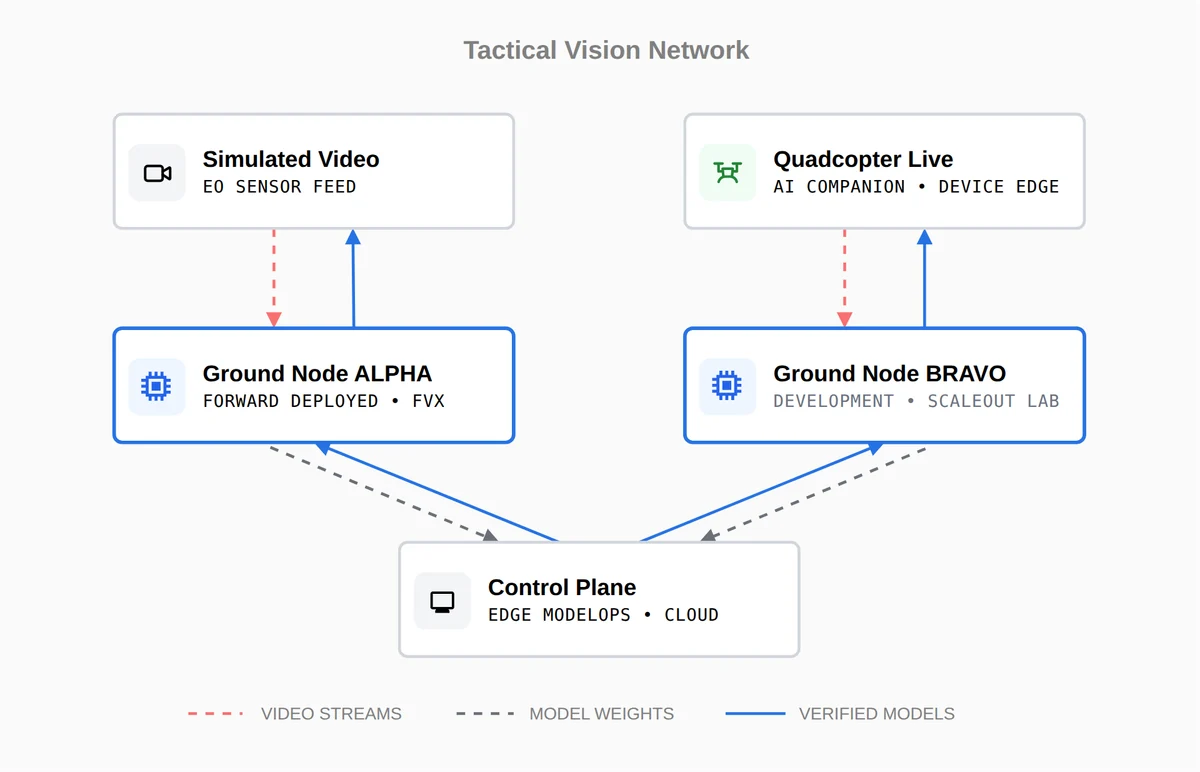
A core feature of the Scaleout Systems approach is the ability to maintain operational functionality even when electronic warfare or signal interference is present. In a June 30 demonstration involving the Swedish Air Force, the company tested its Scaleout Edge platform by intentionally cutting off connectivity to a lab node. The node continued to perform inference and active learning while offline, proving that the drone can function independently of a command link.
This capability is enabled by what the company calls a 'Tactical Computer Vision Network' (TCVN). By using federated learning, these devices can train AI locally and share updates between nodes. This architecture allows the system to remain effective in contested environments where external communications are unreliable or entirely absent, a major focus for defense tech development as described by sources like Ars Technica.
Strategic Development and NATO Involvement
Scaleout Systems is currently participating in the NATO DIANA accelerator, a program that has provided the startup with 100,000 euros in development funding, along with access to testing facilities and technical training. Their FEDAIR project aims to standardize how AI models are deployed at the tactical edge to improve mission resilience and accuracy.
While the technology is often described in media reports as a kamikaze drone, the company and military partners prefer the term 'loitering munition.' The mission profile consists primarily of searching and ranking targets, with the strike being a final, autonomous decision point. Despite the successful technical demonstrations, BAE Systems Bofors has yet to move the ALMA program into full-scale procurement, and no combat deployment has taken place.
Regulatory and Ethical Considerations
The rapid advancement of lethal autonomous weapons has drawn significant attention from global regulators. A United Nations expert group has concluded that human judgment and control remain essential for compliance with the international laws of war. These findings and related policy recommendations are scheduled for review in Geneva this coming November. While Scaleout’s demonstrations prove that autonomous target selection is technically feasible on consumer-grade hardware, the transition from successful lab and field testing to active, sanctioned combat deployment faces significant regulatory and ethical hurdles.
Sources
- Tom's HardwareAutonomous strike drone uses Nvidia Jetson Orin Nano to independently pick and bomb targets — Swedish startup's attack drones run small AI model, require no human input and zero external comms