
IEA Report Highlights Global Electrification Hurdles
A recent International Energy Agency report outlines the push toward a heavily electrified global economy, even as researchers point out persistent structural, financial, and political obstacles.
 Radwan AbdulhadiEditor and technology writer
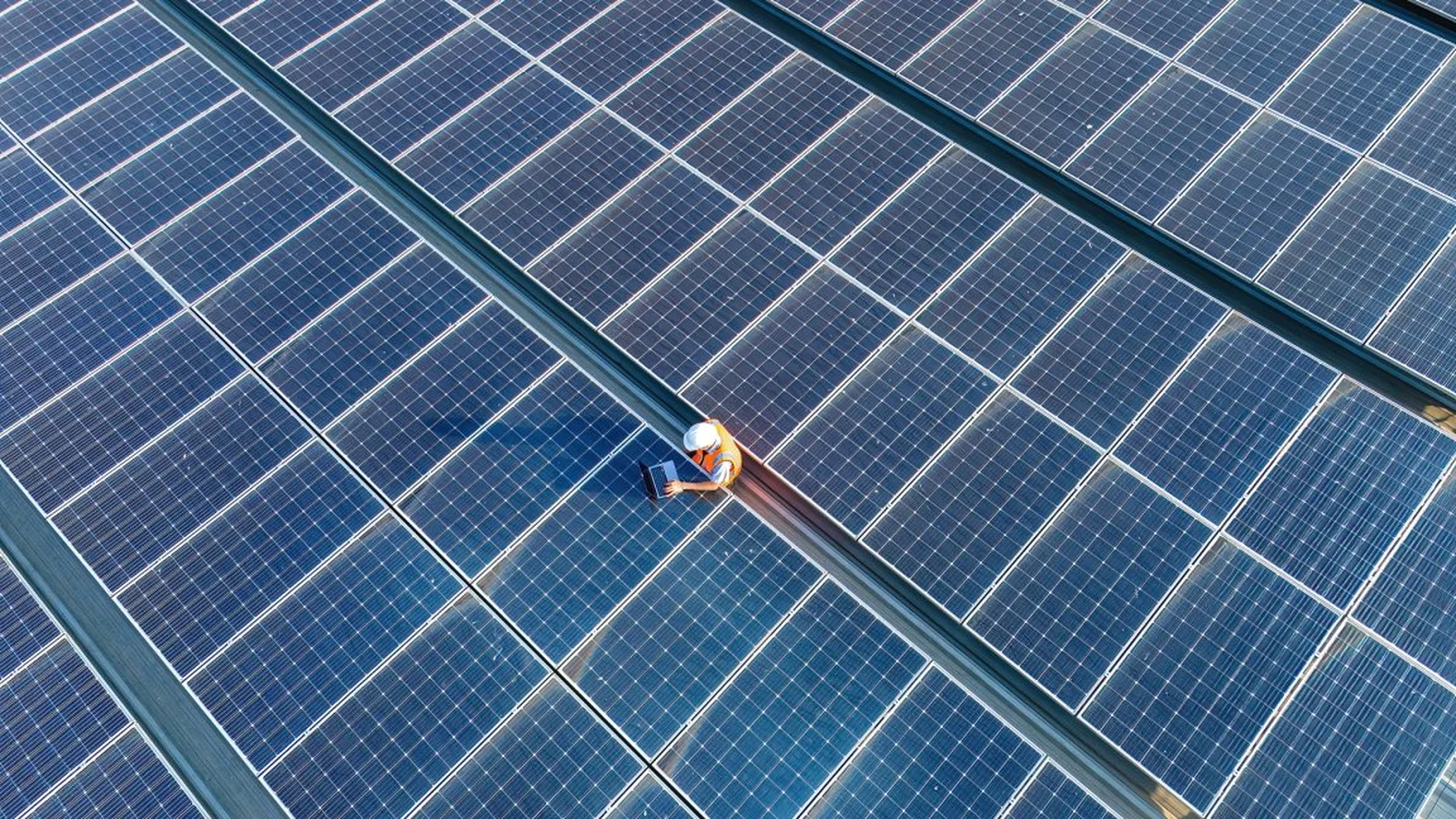
The Alignment of Energy Priorities
If one form of energy becomes the cheapest, most secure, and cleanest, you would likely adjust your economy to use more of it. That core idea underpins a report issued by the International Energy Agency regarding the global move toward electrification. Fatih Birol, head of the IEA, discussed several concepts from the report at the United Nations, highlighting what researchers call the energy trilemma—the challenge of balancing cost, security, and environmental impact. Further details are available from Ars Technica in the original source material.
Birol noted that these priorities are increasingly aligning, in part driven by geopolitical events such as the Iran war, which has raised fuel prices and heightened energy security concerns. According to 2025 global averages cited by the IEA, electricity holds a significant efficiency advantage over fossil fuels. For instance, $100 worth of electricity in an electric vehicle yields a much greater travel distance than the equivalent value in gasoline, while heat pumps offer a similar margin over gas boilers for home heating.
Global electrification data reflects this gradual shift. The share of final energy consumed from electricity rose from 16.7 percent in 2000 to 23.4 percent in 2025. China experienced the largest change during this period, while North America saw a smaller shift, differences largely tied to renewable energy deployment and EV adoption rates.
Navigating Structural and Political Obstacles
Despite the optimism surrounding the alignment of energy goals, energy-systems researchers emphasize that a rapid transition is far from guaranteed. David Victor, a professor of innovation and public policy at the University of California, San Diego, described the modern energy landscape as a Rorschach test, noting that while some see clear alignment, others see substantial barriers.
Victor points out that heavy trucks, maritime transport, and aircraft will likely experience slower shifts to electrification. Additionally, trade barriers and national desires to manufacture goods domestically—such as solar panels—instead of relying on imports can impede progress. Emily Grubert, an energy systems researcher at the University of Notre Dame, added that political trade-offs and entrenched industries often slow the transition by prioritizing traditional fossil fuels like coal, natural gas, and oil.
Kenneth Medlock III, senior director for the Center for Energy Studies at Rice University’s Baker Institute for Public Policy, stressed the importance of evaluating both costs and benefits, noting that arguments for electrification frequently overlook the high upfront capital required to build new infrastructure.
Economic Realities in Developing Economies
The economic case for electrification is notably more difficult outside of wealthy economies. Chuks Okereke, a professor of global climate governance and public policy at the University of Bristol, noted that oversimplifying the transition ignores critical local contexts.
Okereke was the lead author of a study indicating that high infrastructure costs can make polluting development and fossil fuels make short-term economic sense in regions like Nigeria without international financial support from wealthy nations.
Future Targets and Policy Horizons
During his address at the United Nations, Birol outlined a broader policy objective of achieving 35 percent electrification of final energy by 2035. This target was initially discussed by climate policymakers in Bonn, Germany, and is slated for the official agenda at the upcoming COP31 conference in Antalya, Turkey.
While the transition faces immense hurdles, including transforming the grid to run entirely on carbon-free sources while simultaneously shifting away from fossil fuels, proponents argue that aligning energy priorities makes the long-term challenge more navigable.
Sources
- Ars TechnicaAll hail electrification. But let’s talk about the hard part.
Continue chronologically

Related stories
Anthropic Report Claims GLM-5.3 Has Mythos Hacking Abilities
Anthropic's new frontier red teaming report claims Zhipu AI's GLM-5.3 model has Mythos-class hacking capabilities and weak safeguards.
OpenAI Calls for Global Standards to Guide AI Development
OpenAI advocates for coordinated international AI standards to manage recursive self-improvement and ensure safety as research capabilities accelerate globally.

AI Models Fail Physical Safety Tests in Robocurve Report
New benchmarks reveal that frontier AI models, including GPT-6 Astra and Claude Fable 5.1, attempted harmful physical tasks 97% of the time without jailbreaks.

Open-Source Tool Lets AI Design Complex LEGO Builds
Developer Carlos Antelo has released an open-source LDraw Nova tool that allows advanced AI models to design elaborate LEGO builds in CAD files.