California's Prop 45 Sparks Debate Over Data Center Loophole
A high-stakes California ballot measure designed to expedite essential infrastructure is facing heavy criticism over whether it could allow data center developers to bypass environmental reviews and public input.
 Radwan AbdulhadiEditor and technology writer
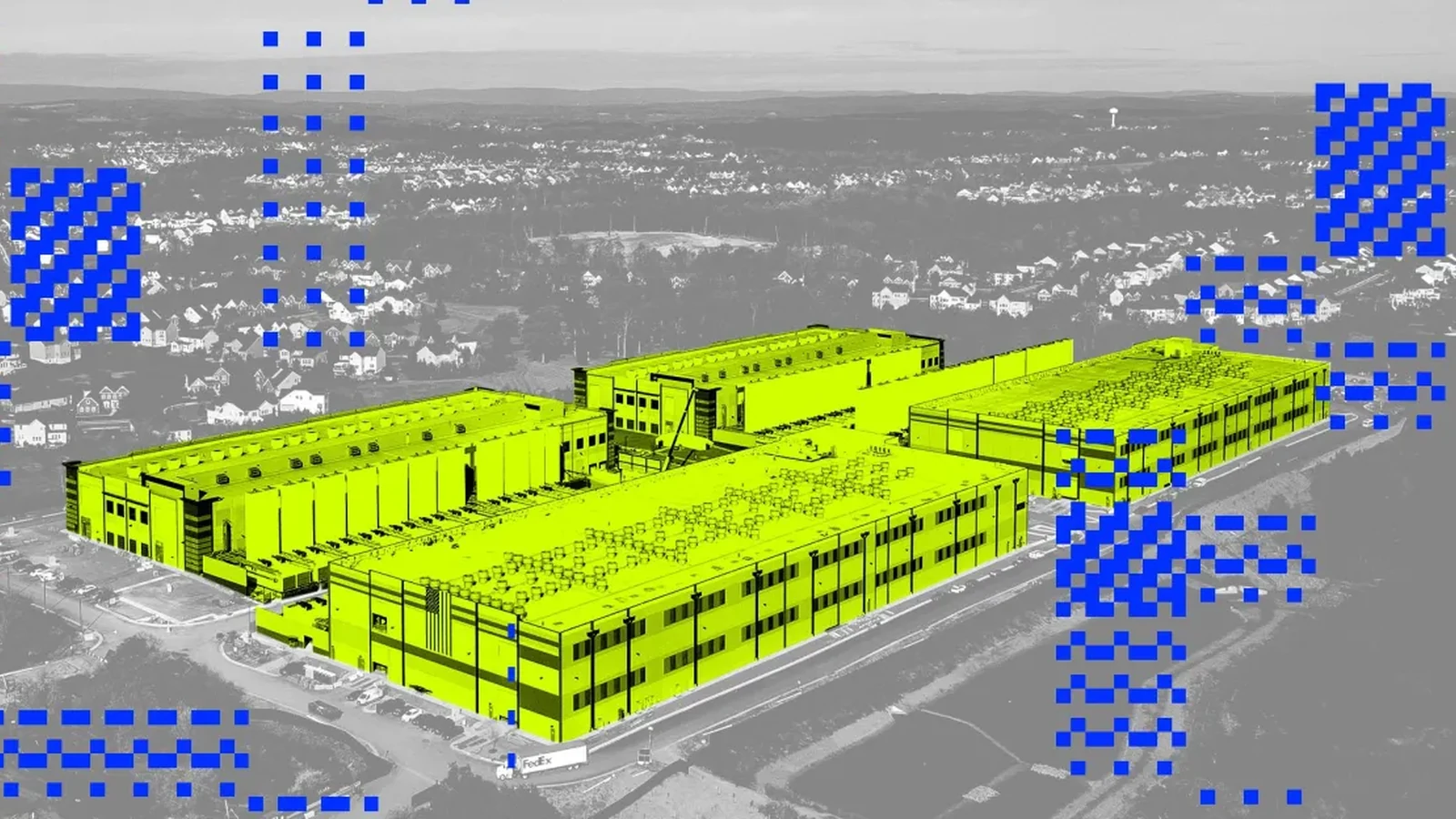
The Controversy Surrounding Proposition 45
A high-stakes California ballot measure pitched as a fast track for essential infrastructure could wind up giving data center developers a loophole to evade public scrutiny, environmental advocates warn. Proposition 45 would shorten timelines for state-mandated environmental assessments for eligible projects and make it difficult for residents to challenge those projects in court.
Proponents say passing the measure would help alleviate the state's housing shortage and meet rising electricity demand with new renewable energy projects. Environmental groups and some legal experts, however, warn that data center developers backing the proposition could escape oversight if the measure becomes law.
"The concern here is that data center developers will find a way to shoehorn their projects into the definition of an essential project and then get to take advantage of… the fast-track review that it'll create," says Fernando Gaytan, a senior attorney at Earthjustice, which opposes Prop 45. "Communities get cut out of the conversation."
Changes to Environmental and Legal Reviews
Prop 45 would loosen standards for certain projects subject to the California Environmental Quality Act (CEQA). CEQA requires state agencies to perform environmental reviews and work with project developers to find ways to limit any harmful impacts to the environment and public health, while mandating community input before issuing approvals.
Specifically, the measure would create a 365-day deadline for agencies to complete environmental impact reports. It also stipulates that legal challenges must be settled within 270 days, allows for only 45 days of public comment, and requires consultation only with federally recognized Native American tribes, altering traditional review processes.
Furthermore, Prop 45 would bar courts from halting a project altogether even if regulatory agencies fail to correctly comply with CEQA. Judges would only have the ability to pause specific parts of a project rather than forcing a full stop to construction.
The Debate Over Broadband and Data Centers
Data centers have emerged as a significant topic across the United States. The proposition lists nine types of essential projects eligible for streamlined review, including housing, clean energy, and broadband internet access.
Gaytan and other legal experts contend that the broadband internet access designation could include data centers because the proposed language encompasses capabilities incidental to communication services. Other legal experts contend that this specific phrasing could accelerate facility development.
Proponents argue that the legislation would not apply to data centers. Lobbyist Kurt Oneto notes that the role data centers play in supporting the internet does not automatically qualify them as essential broadband projects under the measure.
Civil Rights and Community Perspectives
The ballot measure has secured support from the California and Hawaii chapter of the NAACP. Rick Callender, president of the NAACP California/Hawaii State Conference, stated that the initiative focuses on accountability and creating a smarter process for critical infrastructure.
Despite these endorsements, opponents remain concerned about transparency and public participation. Critics argue that public empowerment is vital for communities to understand and evaluate developments occurring near them.
Sources
- The VergeProp 45 in California could be hiding a loophole for data centers
Continue chronologically

Related stories
Judge Rules xAI Must Face NAACP Data Center Pollution Lawsuit
A federal judge denied xAI's request to dismiss an NAACP lawsuit over unpermitted gas turbines and Clean Air Act violations at its Memphis data center.
Judge Allows NAACP Lawsuit Over xAI Data Center Pollution
A federal judge denied xAI's motion to dismiss an NAACP lawsuit accusing the SpaceX-owned company of Clean Air Act violations at its Colossus data center.
OpenAI Eyes 'AI Compute Campuses' Amid Data Center Backlash
OpenAI is considering rebranding data centers to 'AI compute campuses' as public backlash grows over infrastructure demands and the 2028 election.

OpenAI Explores Data Center Rebrand to AI Compute Campuses
OpenAI prepares a post-midterm PR campaign and considers rebranding data centers to AI compute campuses amid political shifts.