OpenAI Eyes 'AI Compute Campuses' Amid Data Center Backlash
OpenAI is preparing a public relations push and evaluating a terminology shift for its data centers as public opposition intensifies over environmental and utility impacts.
 Radwan AbdulhadiEditor and technology writer

Rebranding Infrastructure to Counter Public Backlash
OpenAI is reportedly preparing a public relations and policy campaign that includes evaluating a proposal to rename its data centers as "AI Compute Campuses," according to an Axios report. The terminology shift has been ongoing since August as the company aims to highlight safeguards and the long-term utility of the infrastructure, which Chief Global Affairs Officer Chris Lehane described as establishing "speed limits" for the technology.
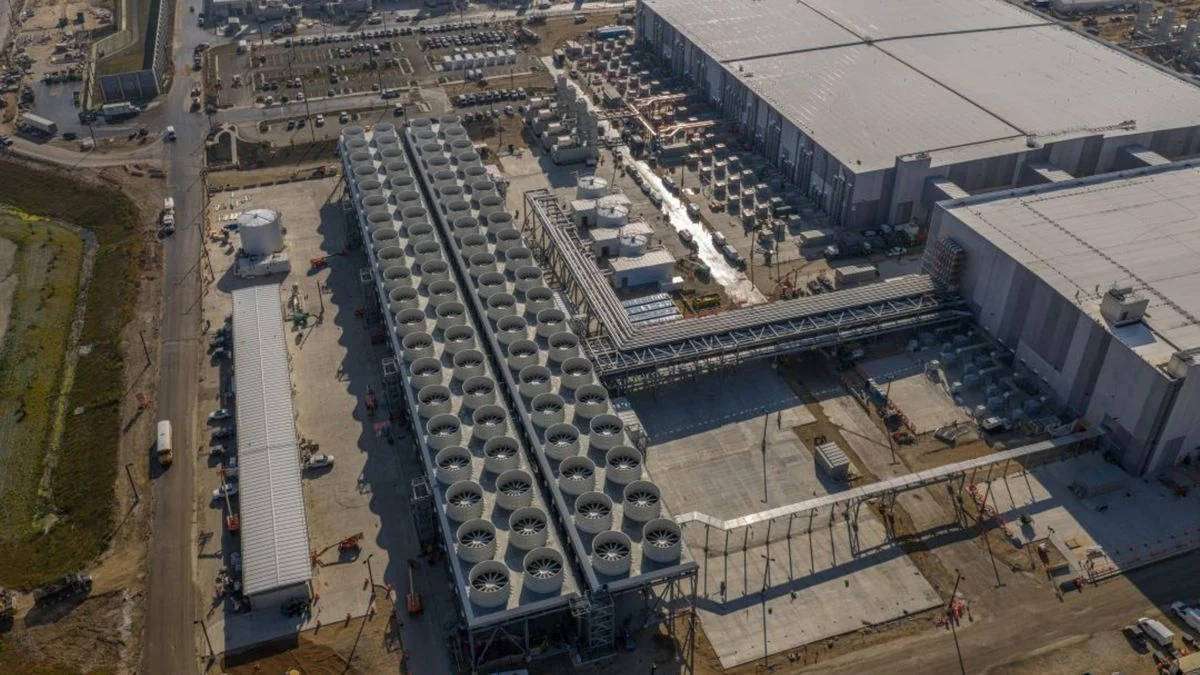
The proposed rebranding arrives as public resistance against massive data center developments accelerates across the United States. Nearby communities have raised pressing concerns regarding noise, air pollution, surging utility bills, and heavy demands on local electricity grids and water supplies. To counter this pushback, OpenAI intends to lean on community agreements and infrastructure commitments.
A company spokesperson stated that the phrase "compute campuses" offers a more accurate description of the infrastructure being constructed for artificial intelligence. The spokesperson added that these projects serve as long-term investments in computing capacity, energy networks, and skilled employment opportunities. Detailed insights into public perception and upcoming industry trends are regularly covered by outlets like Tom's Hardware.
Anticipating the 2028 Presidential Election and Political Scrutiny
OpenAI leadership views the upcoming U.S. midterm elections as a precursor to the political landscape surrounding artificial intelligence in the near future. Chris Lehane noted that the midterms represent "a bit of a movie trailer for what you’re going to see in 2028." The company expects artificial intelligence to emerge as a central campaign issue for presidential candidates as voters increasingly scrutinize its economic, environmental, and job market impacts.
Despite strategic efforts to reframe the infrastructure debate, public skepticism remains high. A Redfin survey published in May indicated that 47% of surveyed Americans oppose the construction of new data centers within their local communities. Furthermore, project negotiations between developers and local authorities frequently occur behind closed doors governed by non-disclosure agreements, cutting residents off from vital project details.
Local Opposition Affects Construction and Development Plans
Public pushback is already translating into tangible disruptions for major technology infrastructure initiatives. At least 19 municipalities in Michigan have moved to enact restrictions on new data center developments. These local measures followed the advancement of OpenAI and Oracle’s $16 billion Stargate project in Sanilac Township despite local protests.
Similar friction has forced other major technology companies to abandon their expansion projects. Amazon recently cancelled plans to construct four data centers in northern Virginia after facing coordinated community opposition. In response to these headwinds, other firms have attempted alternative community engagement strategies, such as Microsoft’s January pledge to cover data center-associated electricity cost increases and invest in local jobs.
Broader Industry Shifts Toward 'Superintelligence' Terminology
OpenAI is not alone in attempting to reshape the language surrounding its operations. The push for alternative terminology extends across both government and corporate leadership. President Donald Trump directed federal agencies and urged technology companies to replace the term "artificial intelligence" with "superintelligence," arguing that the word "artificial" makes the technology sound "fake."
Following the directive, the State Department instructed employees to utilize "superintelligence" or the acronym "SI" in official documents and reports. Technology executives have similarly embraced modified nomenclature. Nvidia CEO Jensen Huang has referred to data centers as "superintelligence factories," Elon Musk announced plans to rename SpaceXAI to SpaceXSI, Meta established Meta Superintelligence Labs, and Microsoft formed a specialized superintelligence team.
Regardless of whether companies adopt terms like compute campuses or superintelligence, industry observers note that public scrutiny will persist. As Lehane acknowledged, local communities expect companies to remain accountable to ensure they receive tangible, transformative benefits from these massive infrastructure projects.
Sources
- Tom's HardwareOpenAI considers rebranding data centers to 'AI compute campuses" as data center backlash intensifies — company reportedly sees 2028 presidential election becoming an 'AI issue'
Continue chronologically


Related entity coverage
Related stories
OpenAI CEO Sam Altman Reveals New AI Agent at Developer Event
OpenAI CEO Sam Altman introduced new Dots AI agents at the annual developer conference while avoiding mention of recent security concerns.

Former OpenAI Safety Lead Exits, Calling Culture Broken
David Robinson leaves OpenAI after more than three years, citing a reactive safety culture, a failed kill switch, and a July HuggingFace hack.

OpenAI Explores Data Center Rebrand to AI Compute Campuses
OpenAI prepares a post-midterm PR campaign and considers rebranding data centers to AI compute campuses amid political shifts.

Big Tech Cashing In On AI As Broader Market Lags
A report reveals that Big Tech is reaping financial rewards from AI, while the rest of corporate America sees flat productivity and profit margins.