AI Growth Strains Arizona Water Resources and Communities
A massive influx of advanced technology infrastructure, including microchip foundries and data centers, is intensifying long-standing water scarcity concerns across Arizona.
 Radwan AbdulhadiEditor and technology writer
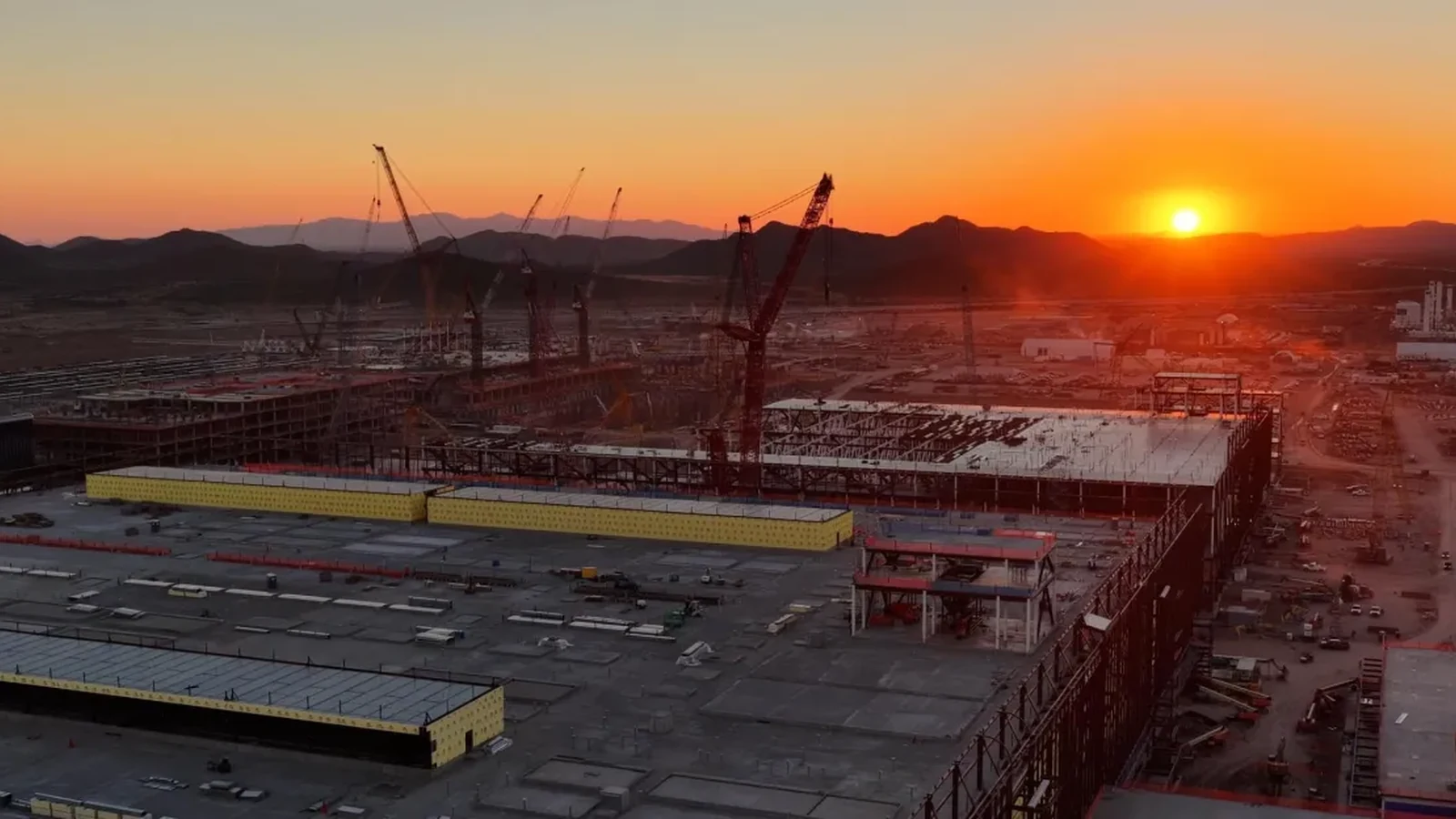
The Rise of Industrial Tech in the Desert
A hulking gray industrial complex rises from the Arizona desert, symbolizing the modern physical foundation of global digital infrastructure. Inside these sprawling facilities, engineers manufacture the microchips that power modern phones, computers, appliances, streaming services, search engines, and artificial intelligence chatbots. This industrial buildout represents the fruit of a long-term economic strategy by the state to court major corporate operations.
Phoenix previously made a major pre-pandemic gamble to revive its sluggish economy following the Great Recession by targeting high-tech manufacturing. That strategy successfully brought the Taiwan Semiconductor Manufacturing Company to the Sonoran Desert, establishing a massive foundry operation on the outskirts of Phoenix that consumes millions of gallons of municipal water daily.
Expansion and the Sixth C
For generations, commerce in Arizona revolved around the traditional five C's: cattle, copper, cotton, citrus, and climate. Economic development officials like Christine Mackay have introduced a sixth C to describe the modern era: chips. What started as a modest inquiry in 2016 blossomed into a massive multi-billion-dollar investment. Following years of coordination between Phoenix officials and corporate leadership, TSMC selected an undeveloped area north of the city to construct multiple advanced semiconductor manufacturing facilities.
The massive scale of this foreign direct investment transformed the local landscape, creating thousands of jobs and supporting a growing supply chain. Because the company controls an estimated 70 percent of the global microchip market, its local facilities have become central to the region's economic output, mirroring its dominant economic footprint in Taiwan.
The Shift Toward Hyperscale Data Centers
Encouraged by the successful integration of semiconductor manufacturing, local leaders anticipated a natural progression toward welcoming digital infrastructure. The Grand Canyon State currently hosts 172 data centers, a network that initially expanded with very little public pushback from local communities.
However, newer and significantly larger hyperscale data center projects being proposed across the region demand vastly greater quantities of vital resources. These proposed facilities require immense amounts of electrical power, land, and water, setting the stage for direct conflict with residents who are increasingly worried about sustainability.
Water Scarcity and Bipartisan Opposition
The core friction behind the recent pushback involves the scarcity of water in the desert Southwest. While corporate developers often promise significant job creation, local tax revenue, and improved infrastructure in exchange for resource access, residents are growing increasingly skeptical. These reassurances do little to comfort communities facing the reality that the state will soon lose access to a major portion of its Colorado River allocation.
Across Arizona, grassroots coalitions of residents have united in opposition to new data center proposals. Concerned citizens have spent considerable time studying local zoning laws, land use policies, and consumption metrics to challenge upcoming developments in city council meetings, reflecting a deeply divided perspective on the future prosperity of the state.
Sources
- The VergeAI has come for Arizona’s water
Continue chronologically


Related entity coverage
Related stories
Wolves Roam Finnish Villages After Google Clears Forests
Google's unauthorized forest clearing for AI data centers in Finland forces displaced wolves and wildlife to roam into nearby residential villages.

Senate Investigation Alleges AI Data Center Claims Mislead Public
A U.S. Senate investigation accuses AI data center developers of misleading the public regarding community costs, permanent jobs, and tax benefits.

Google Signs Nuclear Energy Deal with Constellation
Google has signed a major 20-year power purchase agreement with Constellation to upgrade six nuclear power plant sites and secure clean energy.

What the US Movement Against Data Centers Can Learn From Abroad
Paris Marx discusses global data center opposition, lessons from Ireland and New Zealand, and what the US can learn from international fights.