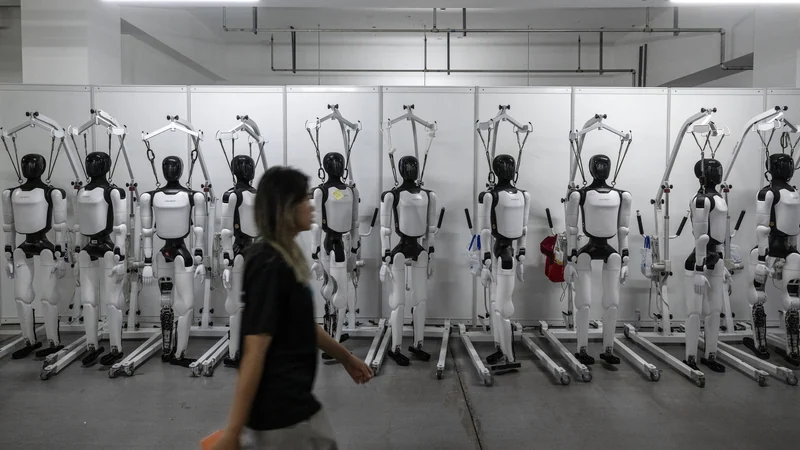
Tuesday Labs opens $20,000 Voxel home robot reservations
Tuesday Labs has opened limited reservations for Voxel, a bipedal home robot designed to learn household routines and perform everyday tasks. The Series-1 is expected to ship in 2028 at an anticipated price of around $20,000.
 Radwan AbdulhadiEditor and technology writer
Reservations open for a household robot
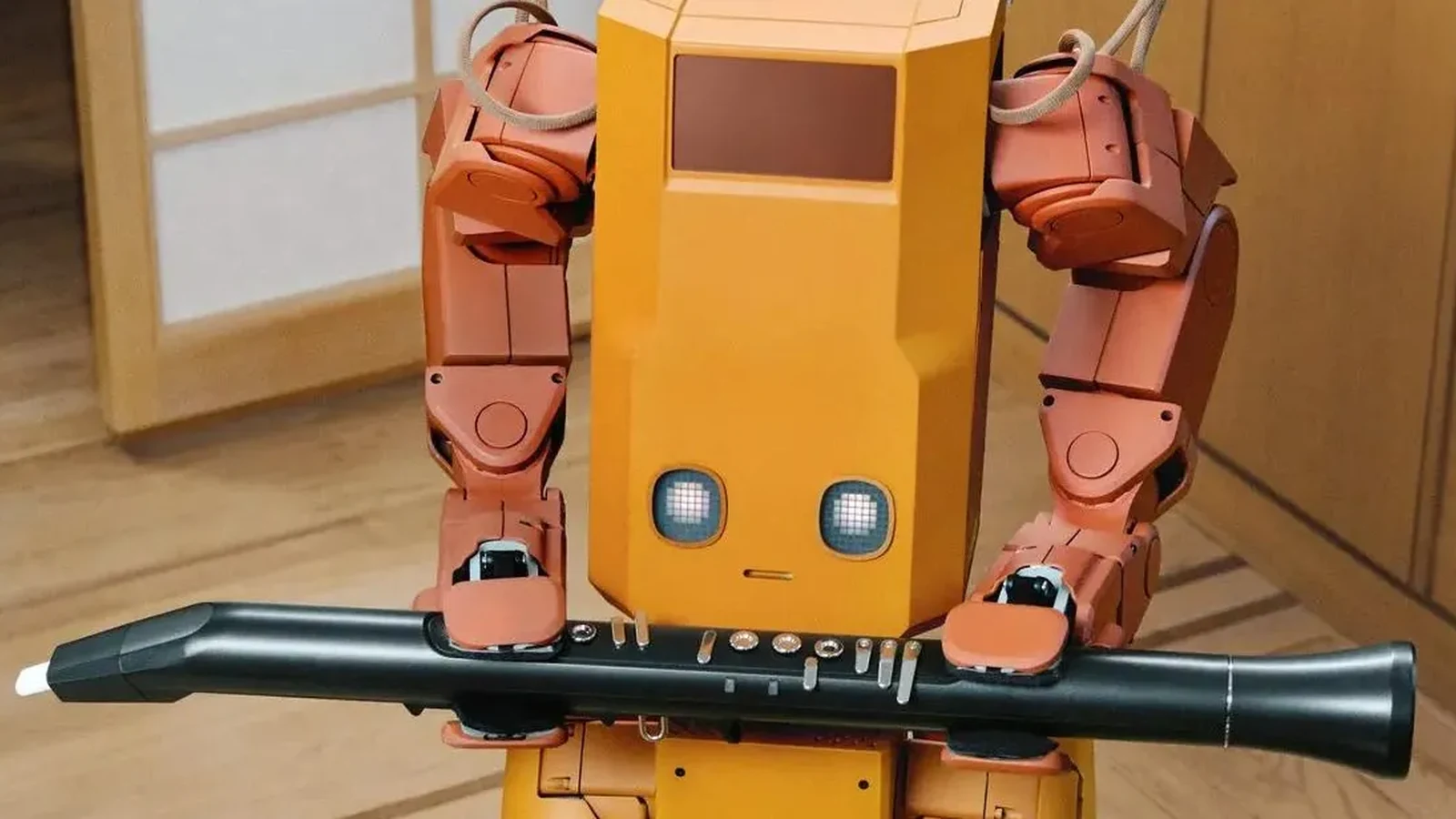
Tuesday Labs, a New York City-based robotics lab and design studio, has opened limited reservations for Voxel, a new bipedal robot intended to take on routine tasks around the home. The company describes the machine as a “droid butler” that can learn household activities and eventually handle recurring chores.
The model available for reservation is the Voxel Series-1. Prospective buyers can reserve one now for $200, while the robot’s full price is expected to be around $20,000 when it ships sometime in 2028. The reservations are limited, and the company has not presented the robot as an immediately available home appliance.
Designed for tasks beyond vacuuming
Voxel joins a developing group of home robots intended to perform more varied work than mopping or vacuuming floors. The Verge’s report compares it with Weave Robotics’ Issac 1, another household machine designed around practical chores. Voxel’s stated focus is on learning where objects belong and helping with mundane jobs that are difficult to automate with conventional appliances.
According to the company’s description, the robot can perform basic autonomous activities such as decluttering a home and returning items to their usual locations. It is also intended to water plants and retrieve objects such as books. Another proposed use is locating a misplaced item: a user could ask Voxel where it last saw something, such as a television remote.
Arms, cameras and a distinctive frame
Voxel has a mostly humanoid form, although its design differs from a person’s in several ways. Its main working components are two highly articulated arms, each with seven degrees of freedom. The arms end in relatively simple grippers rather than the more dextrous, fingered hands seen on robots such as Boston Dynamics’ Atlas.
The arms extend from the top of Voxel’s torso, which also appears to serve as the robot’s head. Pixelated animated eyes sit closer to the robot’s waist, below a concealed pair of stereo RGB cameras. A secondary wide-field camera is intended to monitor an entire room, giving the system a broader view of its surroundings while it works.
Legs built for balance and changing height
The Series-1 moves through a home on two Z-shaped legs. Its knees bend in the opposite direction from human knees, a choice Tuesday Labs says is intentional. The arrangement allows Voxel to bend its legs for balance and raise or lower its height while standing near kitchen cabinets, tables and shelving.
That configuration is part of the robot’s effort to operate in ordinary domestic spaces rather than on a standardized factory floor. The hardware description emphasizes how Voxel is meant to position itself near furniture and storage areas as it handles objects or observes a room.
Capabilities remain limited at launch
Tuesday Labs’ website provides extensive information about Voxel’s design and hardware, but gives less detail about the full range of household capabilities. The currently described functions center on organization, retrieval, plant watering and remembering where an item was last seen. Those features depend on the robot reliably observing and recalling activity inside the home.
The company does not currently position Voxel as a machine that can perform every domestic chore. The robot is not expected to make dinner or change diapers at launch. Instead, its initial appeal is the possibility of taking over repetitive tidying and retrieval tasks, including helping people locate objects they have misplaced.
With shipping not expected until 2028 and a projected price of around $20,000, Voxel remains a substantial commitment for an experimental household technology. The reservation program offers an early route to the Series-1, but the robot’s value will ultimately depend on how reliably it can learn routines, manipulate objects and remember where belongings were left.
Sources
- The VergeThe $20,000 Voxel bot will help you find misplaced things around your home
Continue chronologically


Related stories
Apple Prepares $1,000 Home Robot for Launch by 2027
Apple is reportedly developing a roaming home robot targeted for a 2027 launch with a $1,000 price tag, driven by new CEO John Ternus.

Mori Robot Lamp Brings a Camera to Home Decor
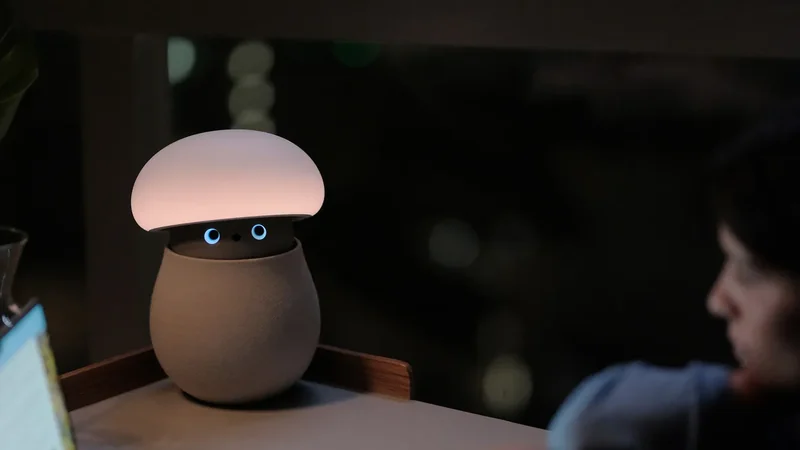
OKA’s Mori is a mushroom-shaped home robot lamp that reacts to movement, plays nature sounds and uses local processing for its camera data.
October 2026 Robotics Developments Highlighted by The Robot Report
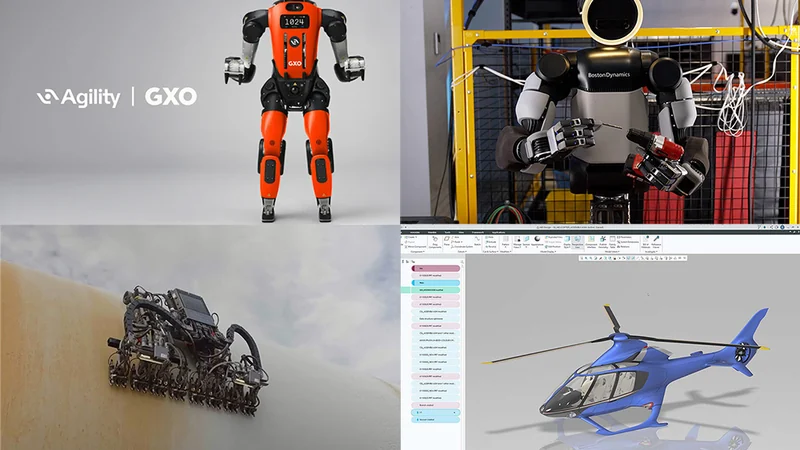
Discover the top robotics developments from October 2026, featuring major updates from Boston Dynamics, Agility Robotics, and industry events.
Meta Reportedly Builds Humanoid Robot Prototype for Chores
Meta has reportedly built a humanoid robot prototype codenamed Max designed for household chores, with work already underway on a second version.