Reliable Robotics Lands $115M to Top $1B Valuation
Reliable Robotics has extended its Series D funding round with a fresh infusion of capital as it works toward critical Federal Aviation Administration certifications for its autonomous aviation technology.
 Radwan AbdulhadiEditor and technology writer
Series D Extension Tops $1 Billion Valuation
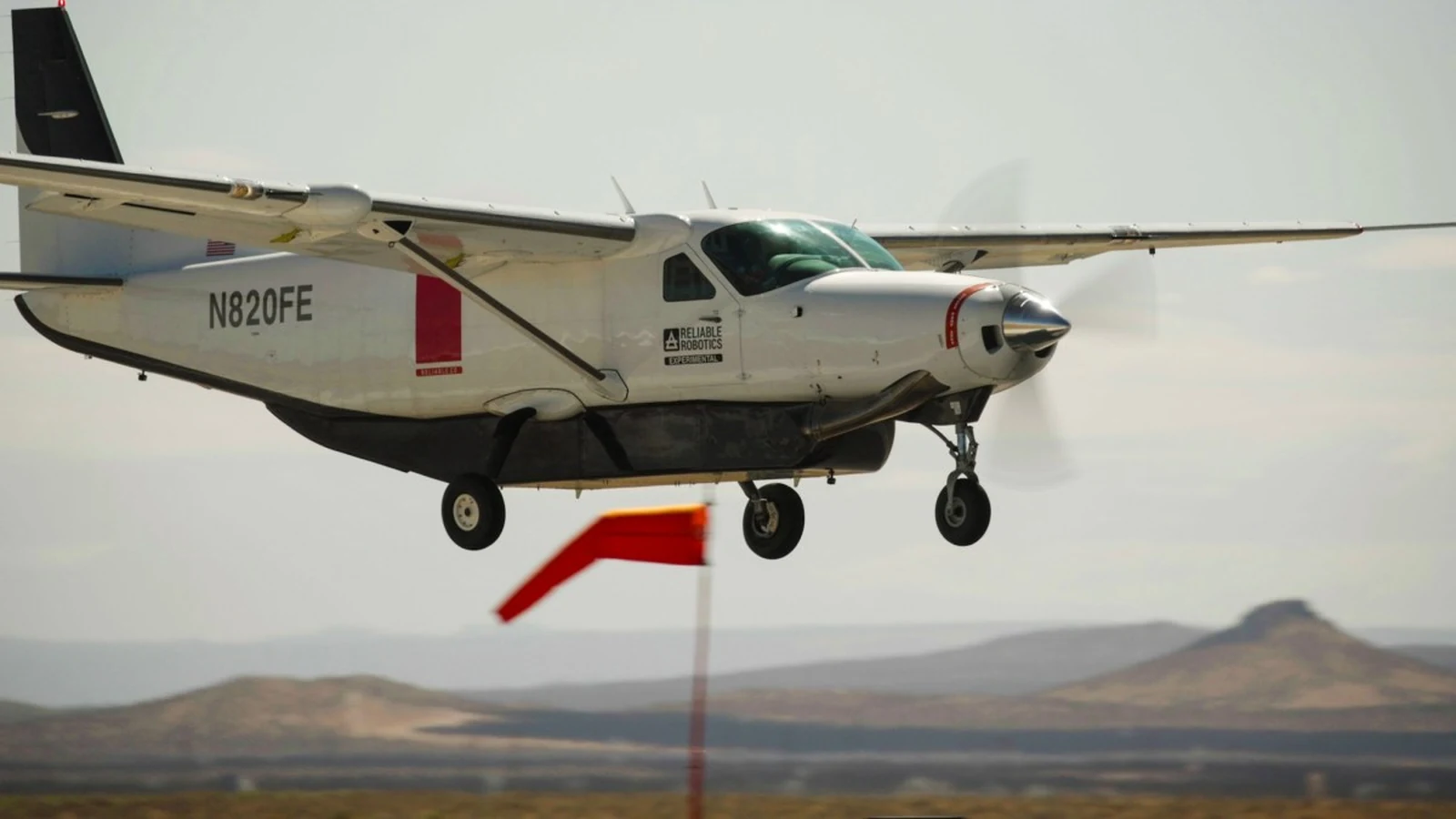
Mountain View, California-based aviation startup Reliable Robotics has extended its Series D funding round, securing $115 million in new capital that pushes its valuation beyond the $1 billion threshold. The latest financing comprises $90 million in equity led by Nimble Partners and $25 million in debt from Silicon Valley Bank. With this new infusion, the total Series D round has reached $275 million, bringing the startup's overall fundraising total to $380 million to date. Additional investors participating in the round include Gideon Strategic Partners, RockCreek, Geek Ventures, Gold Hill Capital, and Sparkwave Capital.
Co-founded by SpaceX alumni, including CEO Robert Rose and CTO Juerg Frefel, the company has spent nearly a decade working to commercialize autonomous flying technology. Rose, who previously served as director of flight software at SpaceX and held stints at Tesla and Google, noted that the startup continues to make steady progress as it moves closer to securing crucial regulatory approvals.
Pushing for Federal Aviation Administration Certification
Operating in one of the most heavily regulated industries in the world, Reliable Robotics is actively pursuing Federal Aviation Administration (FAA) certification across four distinct fronts tied to its overarching goal of autonomous flight. The startup's primary focus is gaining approval for its technology to commercialize autonomous flying technology that can be integrated directly into existing aircraft structures rather than forcing the industry to build entirely new airframes.
The company's initial product offering, known as continuous autopilot engagement, manages engine startup, taxiing, takeoff, and landing operations while a pilot remains onboard interacting via a touchscreen. CEO Robert Rose anticipates receiving certification for this initial system within 18 to 24 months. A secondary certification phase, projected to take at least three years, aims to remove the pilot entirely from the cockpit and relocate them to a ground-control station.
Developing In-House Solid-State Radar
In addition to autopilot systems, Reliable Robotics has engineered an in-house solid-state radar after struggling to attract legacy suppliers willing to take on the project. Unlike conventional radar equipment that relies on moving antennas to scan airspace, this new hardware features no moving parts, offering longer-range detection, higher resolution, easier maintenance, and lower manufacturing costs. Rose highlighted that the radar functions on the ground as well to prevent ground collisions with other aircraft or airport infrastructure, with certification anticipated by the end of 2027.
Reliable Airlines and Industry Outlook
The final regulatory frontier involves Reliable Airlines, an Albuquerque-based carrier utilizing six Cessna Caravans to transport cargo six days a week. Because the FAA certifies equipment and airline operations separately, this venture serves as a proving ground for the firm's autonomous flight software. Investors like Nimble Partners founder John Burbank view the broader market opportunity as immense, comparing the trajectory to the ongoing shift toward autonomy within the automotive sector.
Sources
- TechCrunchSpaceX alum’s aviation startup, Reliable Robotics, lands $115M, topping $1B valuation
Continue chronologically
Related stories
SpaceX Eyes Boost Mobile in Bid to Establish Mobile Carrier
SpaceX is reportedly holding talks to buy Boost Mobile or use its network as Elon Musk seeks to build a hybrid cellular-satellite carrier service.
Elon Musk Mocks OpenAI CEO Sam Altman Over PC RAM Comments
Elon Musk has mocked OpenAI CEO Sam Altman on X after Altman claimed that home computers having local DRAM is terrible amid global supply crunches.
Launch Crisis More Severe Than Anticipated, Report Says
A new report from Quilty Space indicates that the global rocket launch crisis is worse than expected and may persist well into the late 2030s.
Elon Musk Pours Millions Into Midterms As Oversight Looms
Elon Musk contributes over $76 million to his personal political committee in October, fueling high-stakes midterms and intense political scrutiny.