Bedrock Robotics Nears $1B Total Funding With $600M Series C
San Francisco-based Bedrock Robotics has raised $600 million in Series C funding, bringing its total funding close to $1 billion as it scales fully autonomous heavy equipment to address nationwide construction labor shortages.
 Radwan AbdulhadiEditor and technology writer
Series C Funding and Valuation
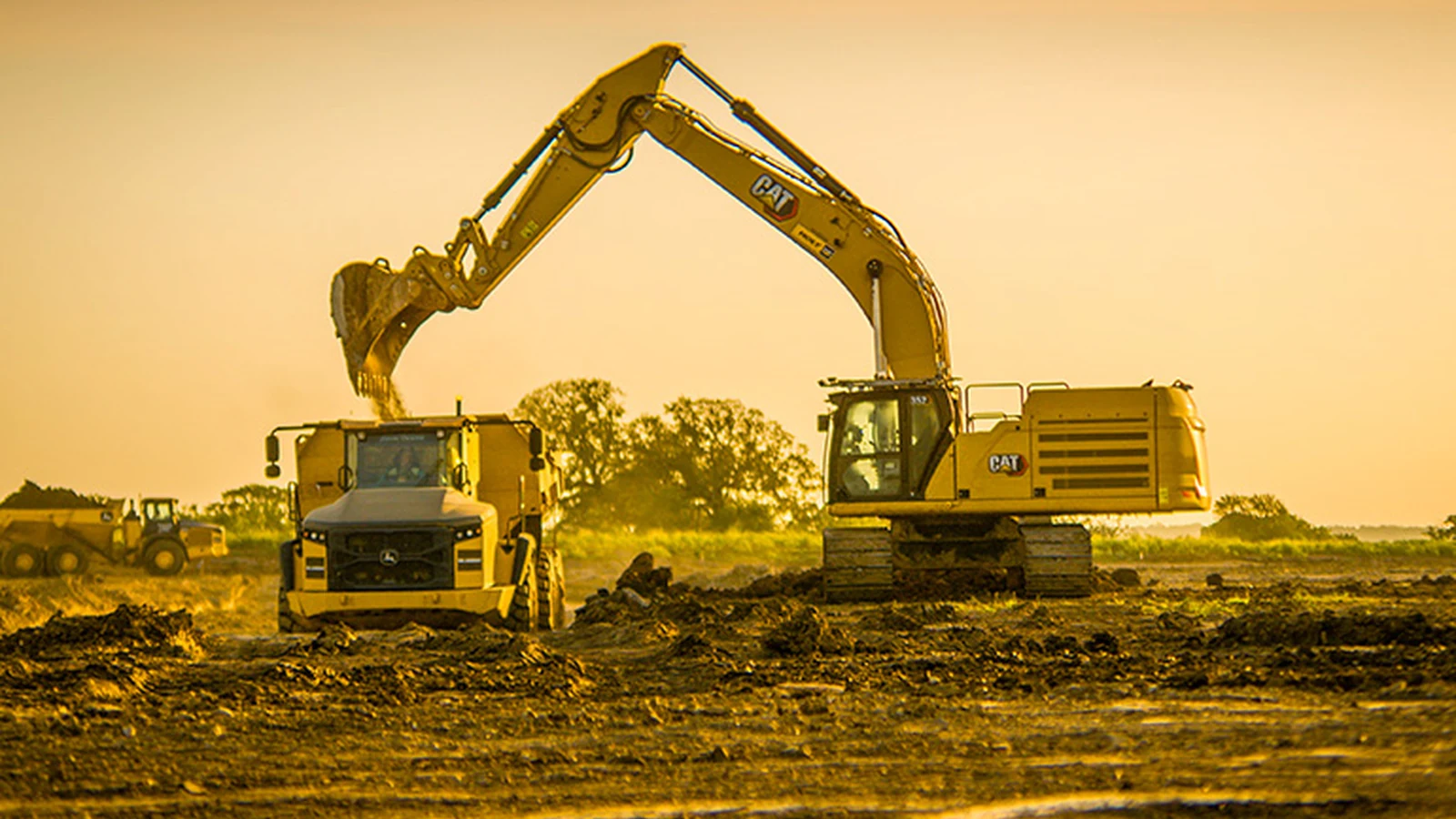
San Francisco-based Bedrock Robotics has secured $600 million in Series C funding, co-led by CapitalG and Emergence Capital, at a $4.1 billion valuation. As detailed by <a href="https://www.therobotreport.com/">The Robot Report</a>, this substantial round brings the total funding of the enterprise to nearly $1 billion as it works to scale fully autonomous heavy equipment and address nationwide labor shortages within the <a href="https://www.therobotreport.com/tag/construction/">construction</a> industry.
The financing round included participation from new investors US Innovative Technology Fund (USIT), Bessemer Venture Partners, and Temasek. They were joined by existing investors including 8VC, Georgian, Valor Equity Partners, Xora, Eclipse, Perry Creek Capital, NVIDIA, and others. The company stated that the capital will accelerate the deployment of its equipped machines across commercial construction sites throughout the United States, helping contractors utilize existing heavy equipment more safely, predictably, and at greater capacity.
Commercial Expansion and Regional Growth
The fresh capital follows a rapid commercial expansion beyond the enterprise's initial footprint in the West and Central South into the Midwest and South Atlantic. Anchored by a major partnership with Southwest contractor Haydon to automate earthwork in Texas, the <a href="https://www.therobotreport.com/tag/bedrock-robotics/">company</a> has added regional partners across Minnesota, Florida, Georgia, Missouri, and Virginia. These partnerships are pushing autonomous retrofits onto live job sites spanning data centers, healthcare facilities, and heavy civil infrastructure.
Boris Sofman, co-founder and chief executive officer of the organization, noted that fully autonomous excavators have proven they can perform valuable work alongside crews and workflows already established on job sites. Sofman emphasized that the upcoming challenge is delivering that capability to a broader range of contractors as a dependable part of everyday project execution.
According to Sofman, new customer demand remains very high. The firm is responsibly growing into this demand, bringing on new customers to serve alongside longtime design partners while scaling operations, hardware, and supply chain operations to keep pace with customer needs.
Leadership Team Additions
In the midst of securing its new funding, the organization added multiple individuals to its management team. Amy Jones Satrom joined the leadership team as vice president of operations, bringing prior experience from Amazon, Nuro, and Uber to help guide the organization through its next phase of scaling.
Lando Juarez also joined the enterprise in the role of general counsel. Juarez previously served as head of legal for Uber's Autonomous Mobility & Delivery business, where he oversaw commercial partnerships and regulatory pathways.
Additionally, co-founder and vice president of engineering Ajay Gummalla is actively involved on the hardware side, working to add resilience to the supply chain so the team is prepared to build the necessary hardware to meet growing customer demand.
Long-Term Outlook and Industry Challenges
Looking ahead, the enterprise maintains a strong focus on the construction sector while considering future applications. Sofman explained that short-term growth markets remain tied to construction due to the sheer size of the market, noting that Haydon will test excavators for autonomous trench work and explore automating other heavy machine models such as bulldozers, articulated dump trucks (ADTs), and wheel loaders.
Over the long term, the organization is looking at other industries such as mining and agriculture that also deal with labor constraints and utilize the same kinds of heavy machines. For 2027, the focus remains on getting more equipped machines onto job sites around the country, moving toward triple-digit numbers of autonomous machines operating nationwide.
Market conditions continue to drive adoption, with data highlighting significant labor challenges in the sector. Specifically, 20% of construction workers are over the age of 55, estimates suggest that more than 40% will retire in the next five years, and 87% of firms report openings for hourly craft positions that remain difficult to fill.
Sources
- The Robot ReportBedrock Robotics nears $1B in total funding as demand for autonomous heavy equipment surges
Continue chronologically

Related entity coverage
Related stories
Bedrock Robotics Raises $600M to Expand Self-Driving Excavators
Autonomous vehicle startup Bedrock Robotics has secured a $600 million funding round, bringing its valuation to $4.1 billion as it scales operations.
A New AV Boom Emerges as Startups Embrace AI
The autonomous vehicle industry is experiencing a second, larger wave of growth fueled by artificial intelligence, foundational models, and new startups.

Nvidia Backs Indian Startup Simplismart in $14M Funding Round
Nvidia participates in a $14 million Series B funding round for Indian startup Simplismart, supporting software that helps companies run AI models efficiently.

Meta Reportedly Builds Humanoid Robot Prototype for Chores
Meta has reportedly built a humanoid robot prototype codenamed Max designed for household chores, with work already underway on a second version.