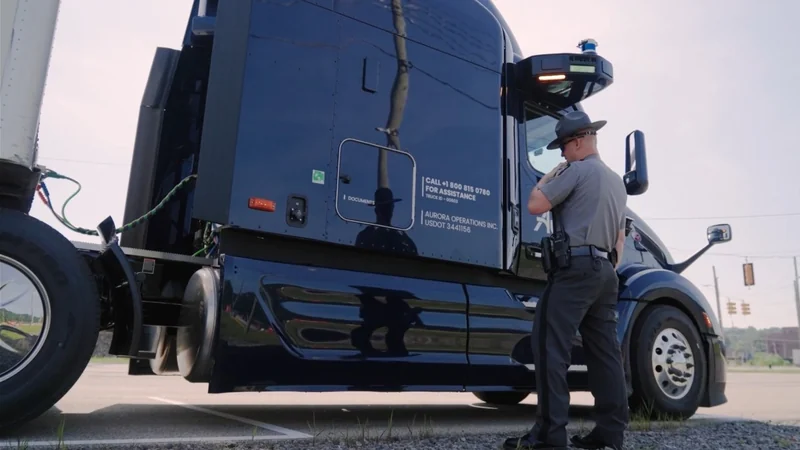
A New AV Boom Emerges as Startups Embrace AI
The autonomous vehicle industry is experiencing a second, larger wave of growth driven by artificial intelligence, foundational models, and a surge of new startups entering the market.
 Radwan AbdulhadiEditor and technology writer
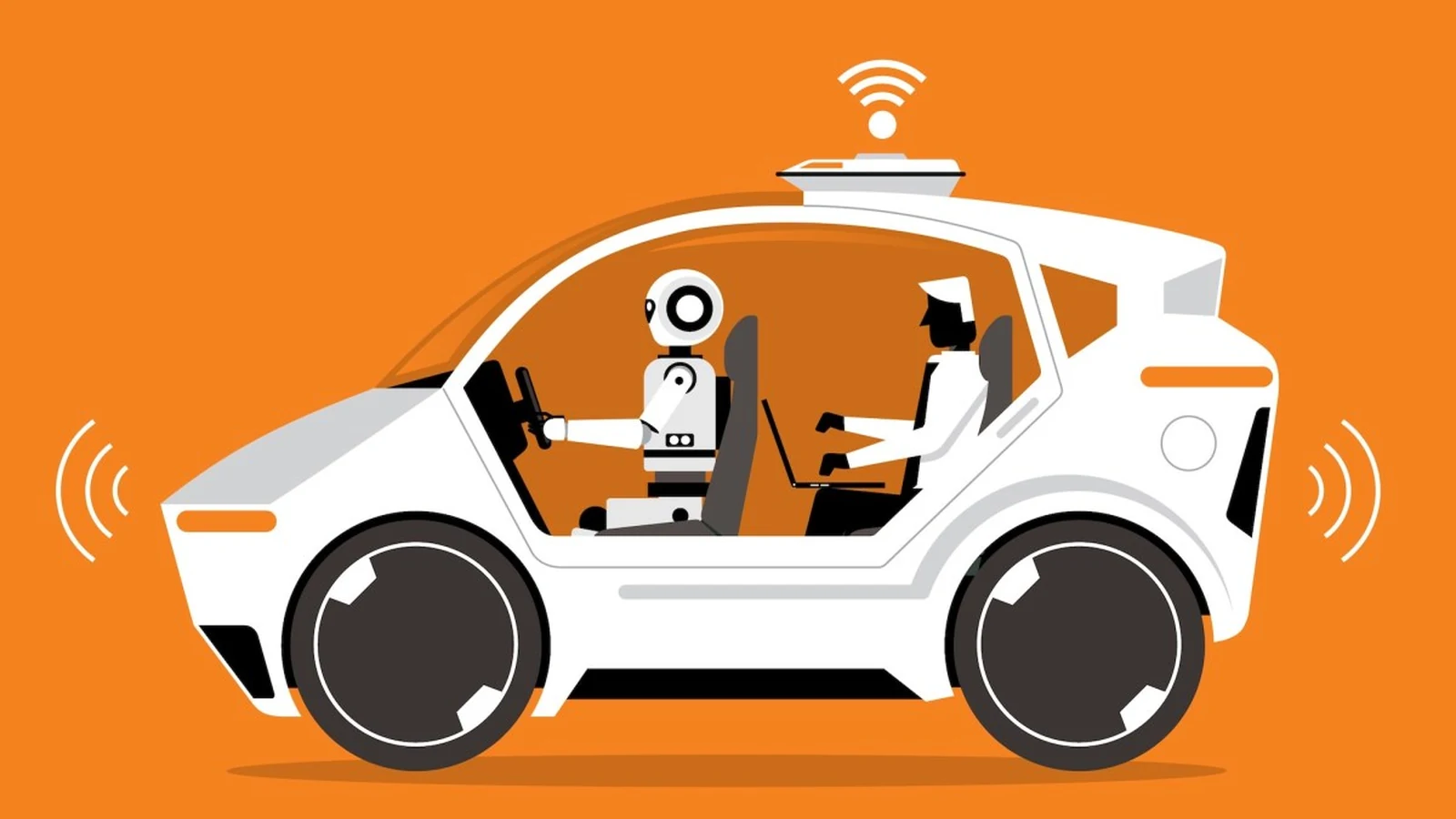
The Second AV Wave and AI Integration
The autonomous vehicle sector is witnessing a surge in activity that rivals or exceeds the dealmaking buzz of 2016 and 2017. Early-stage investor Trucks VC has reported receiving pitches from 81 new autonomous vehicle startups so far in 2026, representing a two-thirds increase compared to the previous year. According to insights shared in a <a href="https://www.trucks.vc/blog/avs-are-back-the-new-wave-is-bigger">blog post</a>, the industry is navigating a second, significantly larger wave of development propelled by key technological breakthroughs in artificial intelligence. Further details are available from TechCrunch in the original source material.
Industry experts note that foundation models are providing the technical architecture required to make end-to-end autonomous systems viable. These models excel at generalizing across various environments and operating scenarios, which can make deploying autonomous vehicles both faster and more cost-effective. Furthermore, the release of powerful open-source models such as Nvidia's Alpamayo and Qwen's vision-language-action models has simplified the process for new companies looking to establish operations.
Lower Barriers to Entry and Robotaxi Ambitions
The lower technical barrier to entry has allowed emerging startups to deploy systems within months and with minimal capital. While many companies initially target sectors such as construction, warehousing, and agriculture, an increasing number of startups are entering the pure-play robotaxi market, positioning themselves as direct competitors to established players like Waymo. Analysts suggest that smaller, niche autonomy companies can carve out viable business models by focusing on specific regions or specialized routes rather than competing on a global scale immediately.
Alongside software and autonomous vehicle developments, other major players in the broader mobility and technology space are securing substantial capital. For instance, Bedrock Robotics recently closed a $600 million funding round, bringing the autonomous vehicle technology startup's valuation to $4.1 billion with backing from institutional investors and technology funds.
Global Partnerships and Manufacturing Agreements
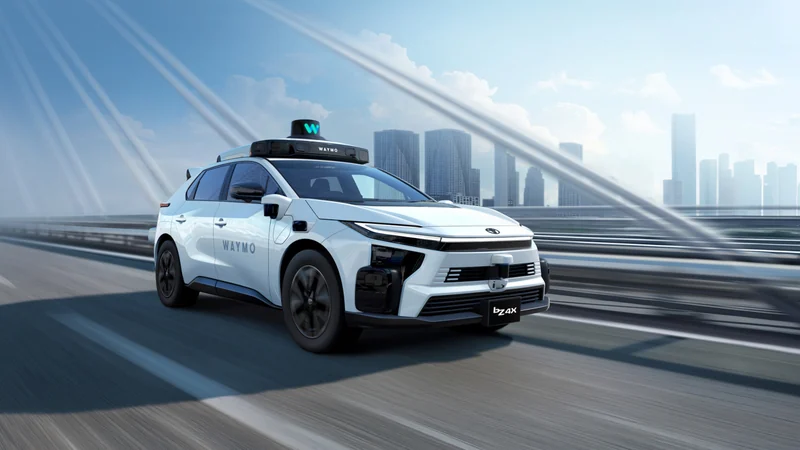
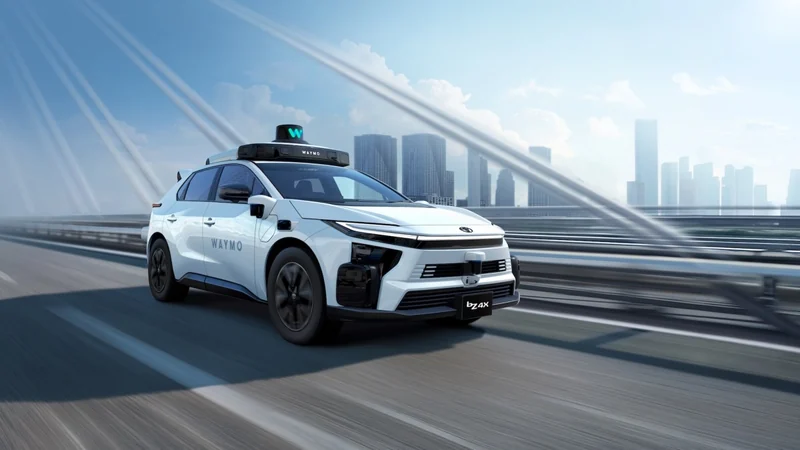
In major industry collaborations, Waymo and Toyota have formalized a manufacturing partnership to integrate Waymo's self-driving technology into bZ4X vehicles. Toyota will handle vehicle production at its facility in Japan, with the resulting robotaxis slated for deployment in international markets including Japan and the United Kingdom. The companies have also indicated that the collaboration could eventually pave the way for a broader licensing agreement for personally owned vehicles.
Meanwhile, other transportation and logistics sectors are actively preparing for public offerings and large-scale deployments. Autonomous heavy-cargo drone developer Elroy Air has appointed a new chief financial officer in preparation to go public, while Kodiak AI announced plans to deliver 75 self-driving trucks to freight operator DTL Transport beginning in 2028 for public highway operations.
Broader Technology and Funding Developments
The broader technology ecosystem continues to see high-value transactions and strategic investments across manufacturing and software infrastructure. Re:Build, a Massachusetts-based manufacturing accelerator co-founded by former Amazon commercial executive Jeff Wilke, successfully raised $2.1 billion to expand its capacity for producing hard tech and industrial startups. In another funding milestone, factory software and testing infrastructure startup PreScalar secured $7لم million in seed funding.
Automotive manufacturers are also shifting strategies and expanding vehicle capabilities. Ford introduced new electric vehicle charger options designed to allow its upcoming Fathom pickup truck to supply emergency power to homes or the electrical grid. Concurrently, general automotive markets are adjusting to changing consumer demands, with General Motors embracing hybrid options and resolving regulatory settlements regarding past data-sharing practices.
Sources
- TechCrunchTechCrunch Mobility: A new, bigger AV boom is here
Continue chronologically

Related entity coverage
Related stories
Waymo and Toyota to Start Testing bZ4X Robotaxis in Japan
Waymo and Toyota will begin testing autonomous bZ4X electric vehicles in Japan, with plans to expand into the UK and other right-hand drive markets.
Waymo and Toyota Partner for bZ4X Robotaxis in Tokyo
Waymo will use purpose-built Toyota bZ4X electric vehicles for a new robotaxi service in Tokyo, expanding on their strategic partnership.
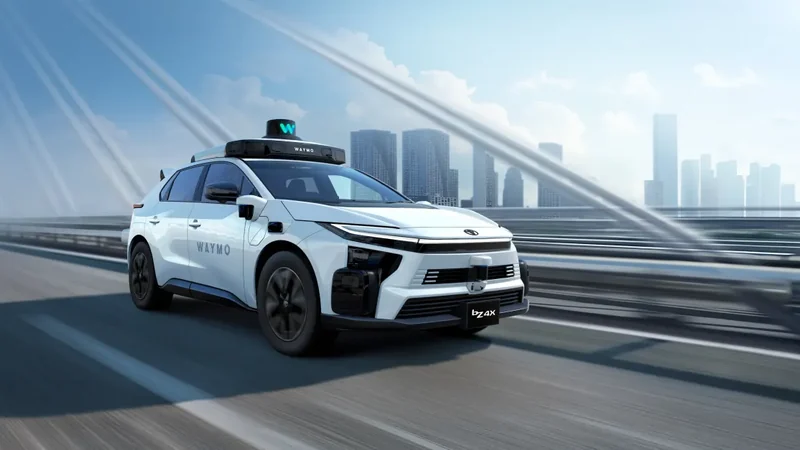
Waymo Taps Toyota for Robotaxis in Japan and the U.K.
Waymo partners with Toyota to supply electric bZ4X vehicles for upcoming robotaxi operations and testing in Japan and the U.K.
Self-Driving Truck Regulatory Roadblock Clears
Federal safety regulators grant a five-year exemption allowing self-driving truck developers to replace warning triangles with cab-mounted beacons.