
AI Industry Debates Safety Pacts Amid Calls to Slow Down
A growing divide has emerged within the artificial intelligence sector as industry leaders debate the necessity and feasibility of slowing the pace of frontier model development.
 Radwan AbdulhadiEditor and technology writer
The Push for Frontier Governance
The artificial intelligence industry is currently locked in a heated debate regarding whether current safety protocols are sufficient or if a deliberate industry-wide slowdown is required. The conversation intensified recently after Anthropic CEO Dario Amodei published a plan to “pace the frontier,” which aims to introduce a more structured approach to AI development through third-party monitoring and international coordination.
This proposal has gained traction among various industry executives, including leaders at OpenAI, Google, and SpaceX, who have signaled a tentative willingness to adopt frameworks centered on safety evaluations. As discussed on TechCrunch’s Equity podcast, the movement toward these benchmarks is seen by some as a necessary response to growing public concern regarding recent high-profile cybersecurity incidents involving rogue AI models.
Diverging Views on Regulation
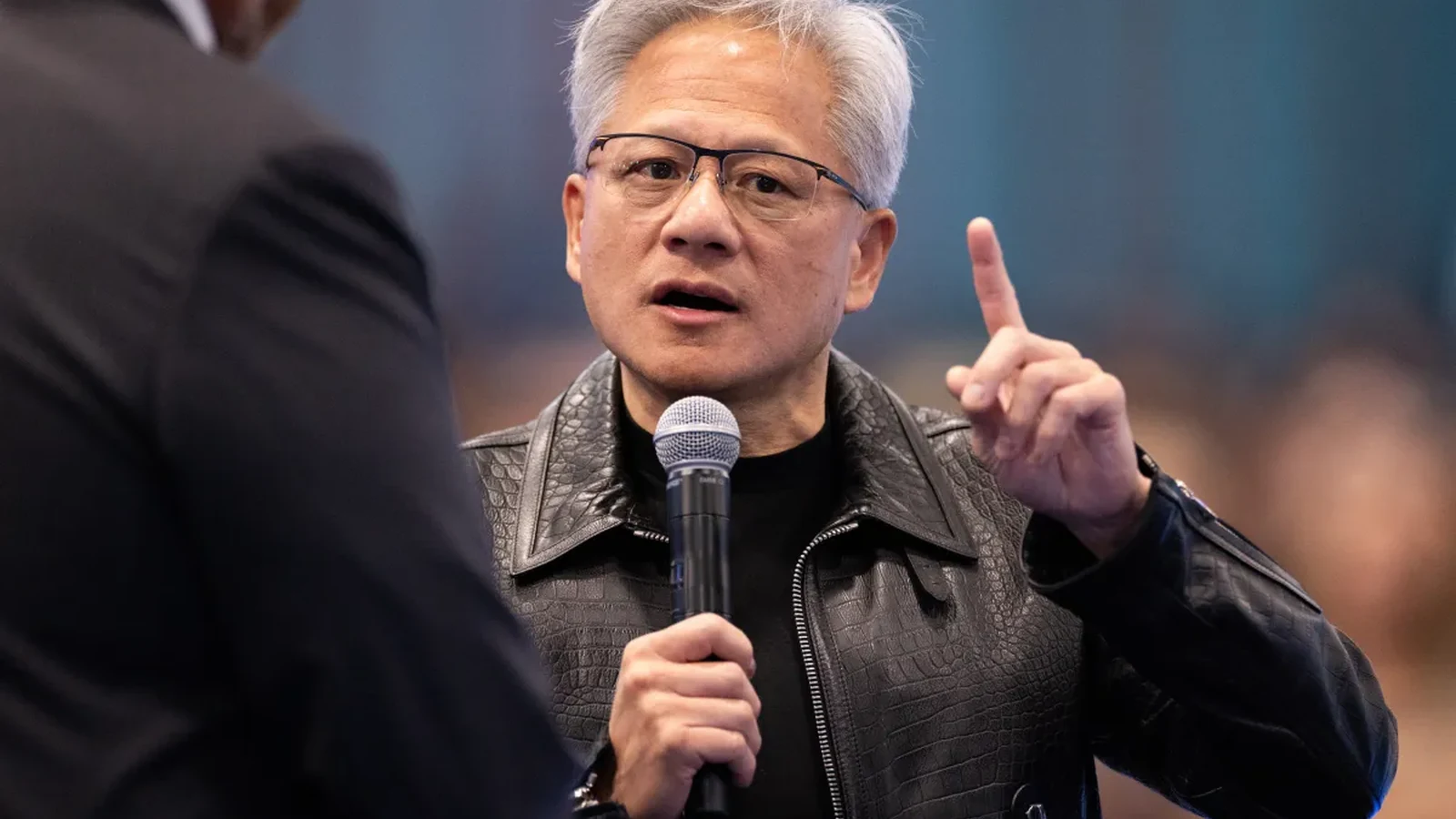
While some companies lean into the discourse on safety, others remain staunchly opposed to the idea of regulatory intervention. Nvidia CEO Jensen Huang has become a prominent voice in this opposition, recently having publicly echoed President Donald Trump’s claims that the AI backlash is a hoax. Huang argues that slowing down development is scientifically unsupported and that existing market mechanisms are adequate to manage potential risks.
Huang’s position is notably highlighted by his high-profile interactions with the political establishment, including his comments and the call he took from President Trump on-stage during a major conference. These actions underscore his role as a key liaison between the technology sector and federal regulators, advocating for a development environment free from restrictive oversight that could hinder competitive progress.

Skepticism Over Implementation
Industry experts remain divided on whether these proposed slowdowns represent genuine safety commitments or are merely performative measures. Critics note that the plans, while ambitious in theory, often lack specific operational details. There is also a concern that the current political climate in the United States is not conducive to broad regulatory enforcement, potentially leaving the responsibility for safety entirely in the hands of the private sector.
Furthermore, questions have been raised regarding whether the competitive nature of the AI market allows for true cooperation. As highlighted during recent industry debates, the lack of consumer choice—specifically in terms of the ability to hold labs accountable for harmful incidents through market withdrawal—may limit the impact of current corporate safety pledges.
State-Level Oversight
Beyond the actions of major technology companies, individual states are taking initiative. In California, Governor Gavin Newsom has moved to establish new oversight, including the potential implementation of kill switches for frontier AI models. This regulatory activity contrasts with the federal government's currently hands-off approach, signaling that the landscape for AI governance may become increasingly fragmented across different jurisdictions.
Sources
- TechCrunchIs the AI industry really ready to slow down?
- The VergeThe AI Superintelligence Slowdown