Ambrosia Energy Plans 10 GWh Texas Factory for Data Center Batteries
Ambrosia Energy has officially begun construction on a massive 10 gigawatt-hour battery manufacturing facility near Austin, Texas, designed to supply power systems for off-grid data centers.
 Radwan AbdulhadiEditor and technology writer
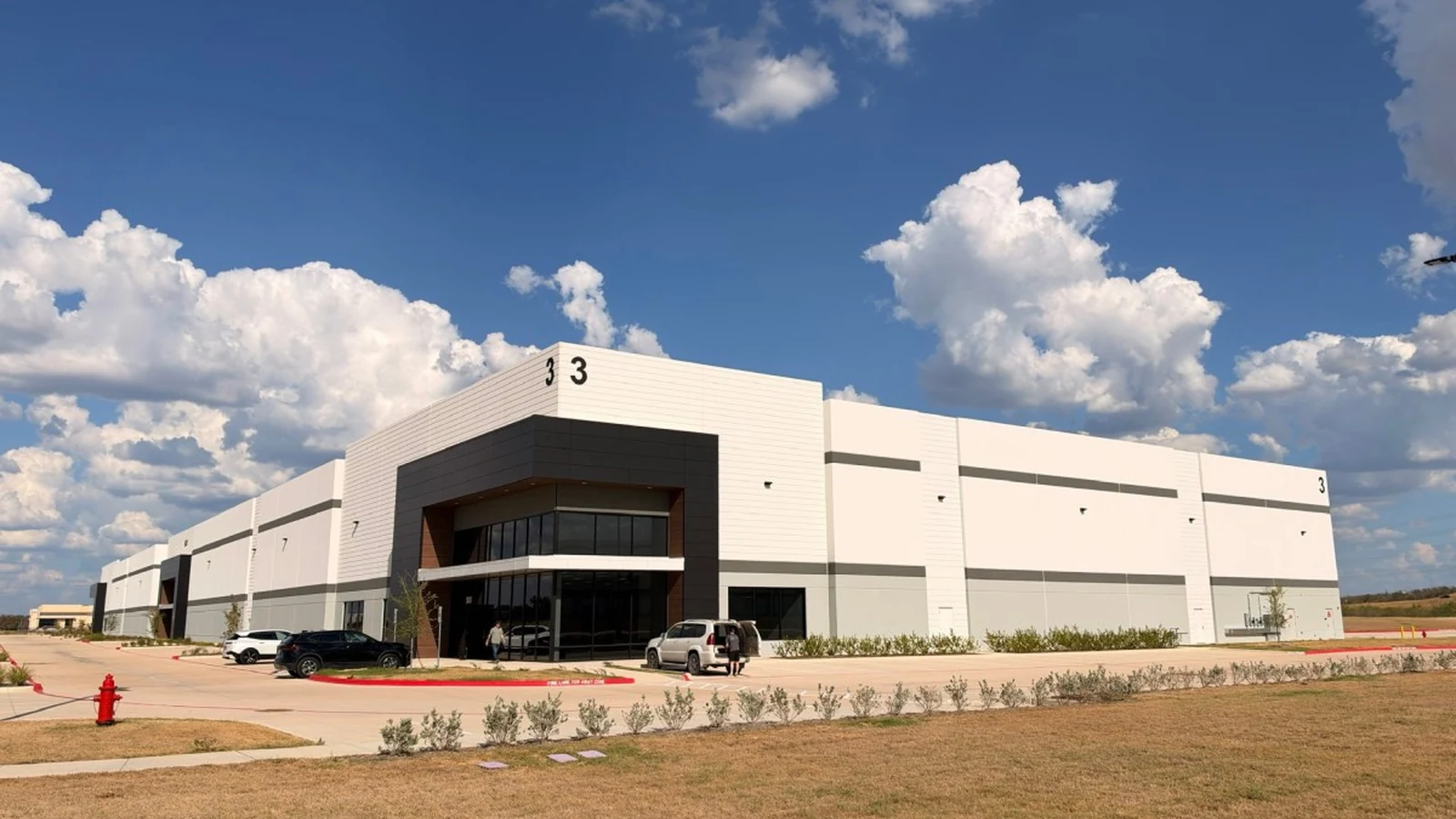
Building a Massive Texas Manufacturing Facility
Startup Ambrosia Energy has officially kicked off construction on a major 10 gigawatt-hour battery factory near Austin, Texas. The announcement was made by co-founder and CEO Ben Longmier during an appearance onstage at [TechCrunch Disrupt](https://techcrunch.com/events/techcrunch-disrupt/) in San Francisco.
According to Longmier, the manufacturing facility will span 150,000 square feet. The company anticipates reaching full production capacity at the Texas plant within two to three years, enabling the construction of about a 300-megawatt power plant annually at its field sites.
Roots and Strategy for Data Center Power
The startup previously [emerged from stealth](https://techcrunch.com/2026/06/10/why-two-spacex-alumni-are-betting-on-solar-and-batteries-to-power-the-ai-craze/) with the objective of constructing independent power plants tailored for modern data centers. Co-founders Ben Longmier and Sara Spangelo—both alumni of satellite constellation startup Swarm, which was acquired by SpaceX—identified solar power combined with energy storage as the fastest-deployable and most cost-effective alternative.
Under this operational model, solar panels generate electricity during daylight hours while simultaneously charging battery banks. These batteries then discharge overnight and during cloudy weather to ensure continuous, round-the-clock operations for data infrastructure.
Commercial Deployments and Uptime Goals
Alongside the new factory development, Ambrosia is initiating work on its first commercial power plant located in West Texas later this year. The facility will combine 300 megawatts of solar panels with 660 megawatt-hours of battery storage to provide 30 megawatts of continuous power, aiming for a targeted uptime of 99.3%.
The company has already demonstrated technical viability through a pilot-scale power plant, with sections operating continuously for over 100 days. This pilot system generates 200 kilowatts of electricity on a 24/7 basis.
Cost Reductions and In-House Manufacturing
To achieve its strict economic targets, Ambrosia focuses on simplifying physical components such as solar mounts and battery packs. By minimizing total part counts and shifting a significant portion of manufacturing in-house, the startup aims to cut expenses compared to traditional suppliers.
Longmier explained that the company purchases existing battery cells and builds its proprietary packs internally. This design yields significantly fewer parts than standard industry alternatives, achieving costs close to the bare cell price rather than typical stationary storage markups.
Competing in the Clean Energy Market
By overbuilding solar capacity and energy storage to guarantee continuous operational uptime, Ambrosia maintains that it can achieve profitability at a price point of $100 per megawatt-hour. This pricing structure positions the startup to compete directly with alternative solutions, such as the natural gas turbines that [many hyperscalers are planning to use](https://techcrunch.com/2026/04/03/ai-companies-are-building-huge-natural-gas-plants-to-power-data-centers-what-could-go-wrong/) to fulfill their rapidly growing energy demands.
Sources
- TechCrunchAmbrosia Energy will build a 10 GWh factory in Texas to make batteries for off-grid data centers
Continue chronologically


Related stories
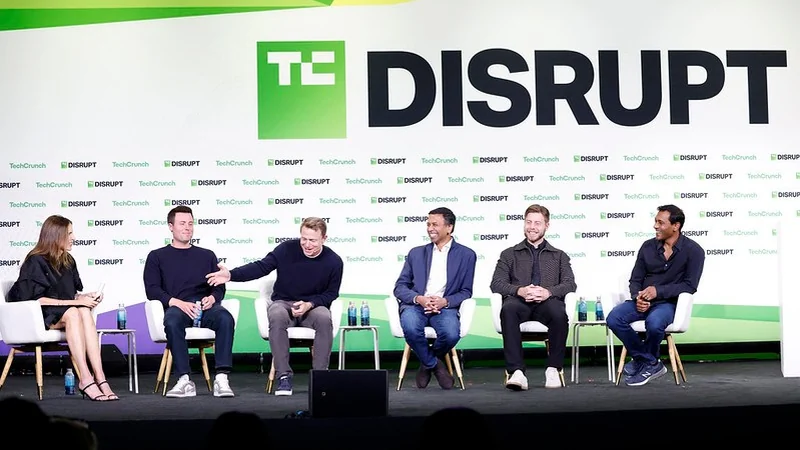
Benchmark Partners Discuss Strategy in a Frenzied Market
Benchmark's partners discuss their investment pace, fund expansion, and small team dynamics at TechCrunch Disrupt in San Francisco.
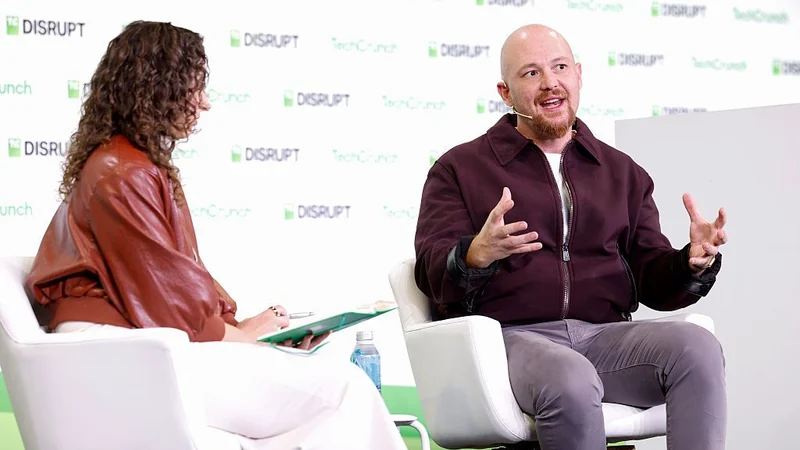
Replit CEO Amjad Masad Outlines Vision for Self-Driving Companies
Replit CEO Amjad Masad shared his vision for self-driving companies at TechCrunch Disrupt, detailing how AI agents will handle day-to-day tasks.
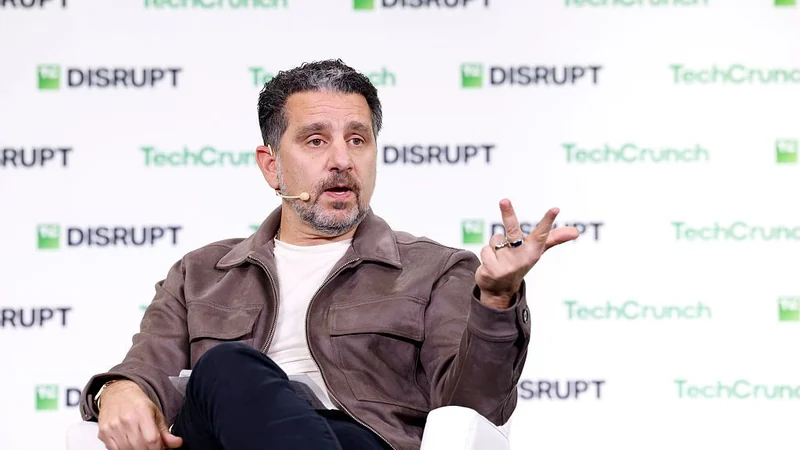
Amazon's Panos Panay Envisions Ambient AI Replacing Apps
Amazon devices chief Panos Panay discussed a future of ambient computing and personal AI wearables at TechCrunch Disrupt, looking beyond traditional apps.
Bluesky Expands Attie AI Tool to Build Social Apps and Games
Bluesky has expanded its Attie AI tool to let users create small social apps, games, polls, and dashboards shareable as standalone websites.