
Why NVIDIA's $16,000 RTX PRO 6000 Is Not Built For Gaming
NVIDIA describes its RTX PRO 6000 Blackwell Workstation Edition as the most powerful desktop GPU ever created, but its heavy price tag and professional focus place it far outside the consumer gaming market.
 Radwan AbdulhadiEditor and technology writer
Understanding the Ultimate Desktop GPU
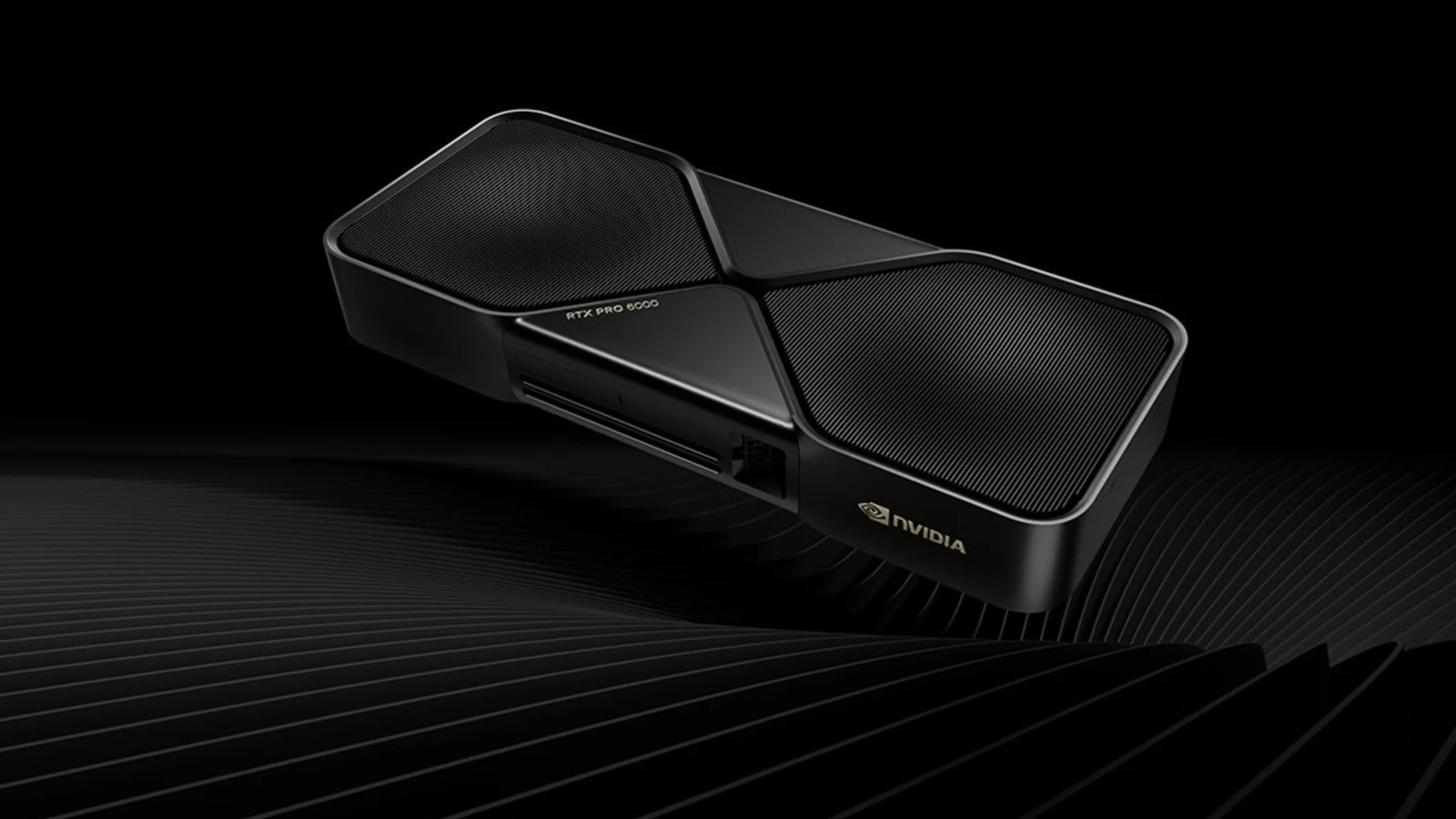
By most standards, enthusiast hardware like NVIDIA's GeForce RTX 5090 already exceeds what ordinary computer users will ever need for standard tasks. Priced at $1,999 when it was announced, that consumer flagship packs 32GB of GDDR7 memory and can consume up to 575W under heavy loads. However, sitting another step above on the desktop GPU ladder is the RTX PRO 6000 Blackwell Workstation Edition.
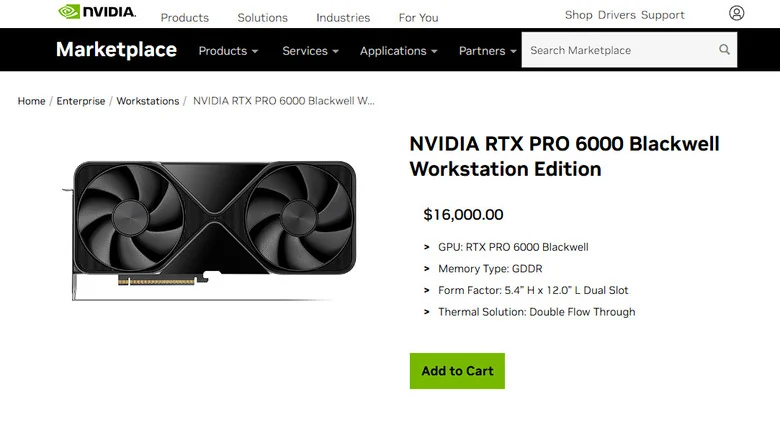
NVIDIA officially describes this hardware as the most powerful desktop graphics card ever created. While consumers are technically allowed to purchase one, the bank account of any everyday buyer may struggle with the reality of the hardware. The current US price for the RTX PRO 6000 sits at $16,000, which is nearly double the $8,565 it cost when it launched up from an earlier price of $13,250.
Targeting Professionals Rather Than Gamers
NVIDIA has not publicly disclosed why it implemented the recent price increase, though the jump occurs amid sharply rising memory costs and broader GPU price hikes across the industry. What remains entirely clear is that the manufacturer is targeting the RTX PRO 6000 toward AI developers, engineers, 3D artists, and other technical professionals who require hardware capabilities that would remain complete overkill inside traditional gaming rigs.
The simplest way to understand the massive financial investment required for the card is to examine its internal memory capacity. The RTX PRO 6000 features a massive 96GB of GDDR7 ECC memory, dwarfing the 32GB found on consumer flagship models. It also boasts 24,064 CUDA cores alongside a maximum board power draw of 600W. Users will struggle to find a standard video game that can utilize an extra 64GB of RAM, but heavy professional workloads demand every bit of it.
Hardware Built for Work, Not Steam
NVIDIA specifically aims this enormous memory pool at handling massive 3D rendering tasks, complex AI projects, expansive datasets, virtual reality environments, and demanding multi-application workflows. Furthermore, the inclusion of error-correcting code memory is critical during intense number crunching or lengthy professional rendering jobs, offering vastly different priorities than what is needed when attempting to extract extra frame rates in video games.
This professional premium extends well beyond physical silicon components. RTX PRO cards receive robust backing from NVIDIA's workstation-focused driver ecosystem, complete with enterprise-grade support and specialized software certifications. This enterprise approach stands in sharp contrast to the consumer-focused priorities embedded within standard Game Ready drivers.
This market strategy is not a completely new development for the company. For more than twenty years, NVIDIA sold its specialized professional graphics hardware under the Quadro brand before eventually transitioning toward modern professional branding conventions.
Gaming Performance Numbers and Economics
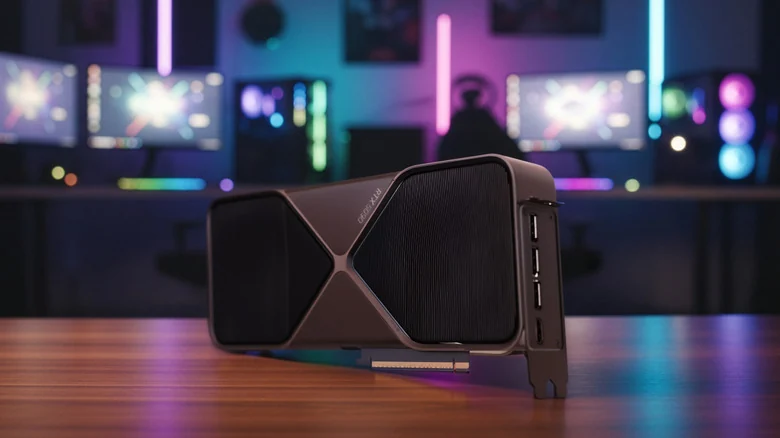
Although the card is engineered strictly for professional deployment, tech YouTuber der8auer conducted testing to see how the hardware performs when running consumer video games. The tests revealed that the RTX PRO 6000 could indeed outperform the consumer flagship in certain titles, even while utilizing workstation-optimized drivers.
Specifically, the workstation card proved to be about 14 percent faster in Cyberpunk 2077, roughly 11 percent faster in Star Wars Outlaws and Remnant 2, and approximately three percent faster in Assassin's Creed Mirage. While those represent solid performance metrics, they fail to justify a $16,000 investment for a standard entertainment setup.
Costing roughly eight times the original price of standard consumer alternatives, single-digit or low double-digit gaming improvements make little economic sense for hobbyists. However, the economics become far more reasonable when the component is deployed for its intended purpose—such as executing large local artificial intelligence models or managing massive visualization projects.
Availability and Consumer Accessibility
The reality that these components are rarely sold to average consumers does not imply that NVIDIA keeps them locked behind velvet ropes. Instead, the corporation directs interested buyers through its official marketplace and certified workstation partners, allowing dedicated enthusiasts to acquire the hardware if they choose.
The more challenging question for prospective buyers is why any individual gamer would willingly invest thousands of dollars into massive memory pools, specialized professional drivers, and workstation features that typical games cannot even recognize.
Sources
- EngadgetWhy NVIDIA's most powerful GPU is so rarely sold to consumers