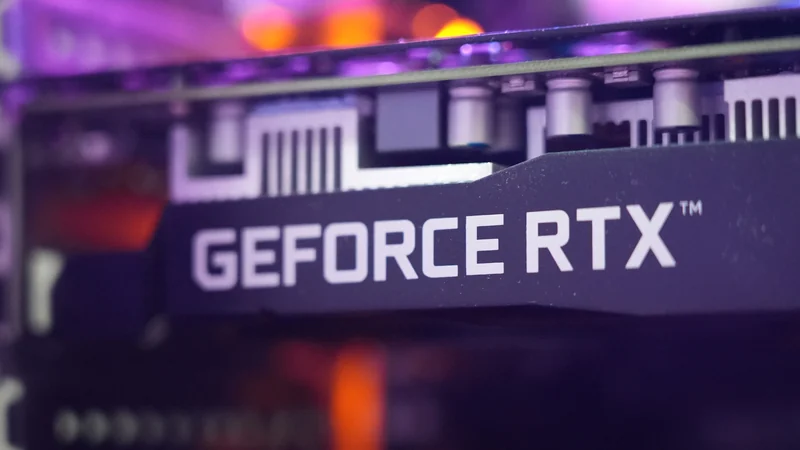
Understanding Ray Tracing and Its Impact on Gaming Performance
Ray tracing delivers more realistic lighting and reflections in modern games, but it demands significant graphics hardware power and often impacts frame rates.
 Radwan AbdulhadiEditor and technology writer
What is Ray Tracing in Video Games?
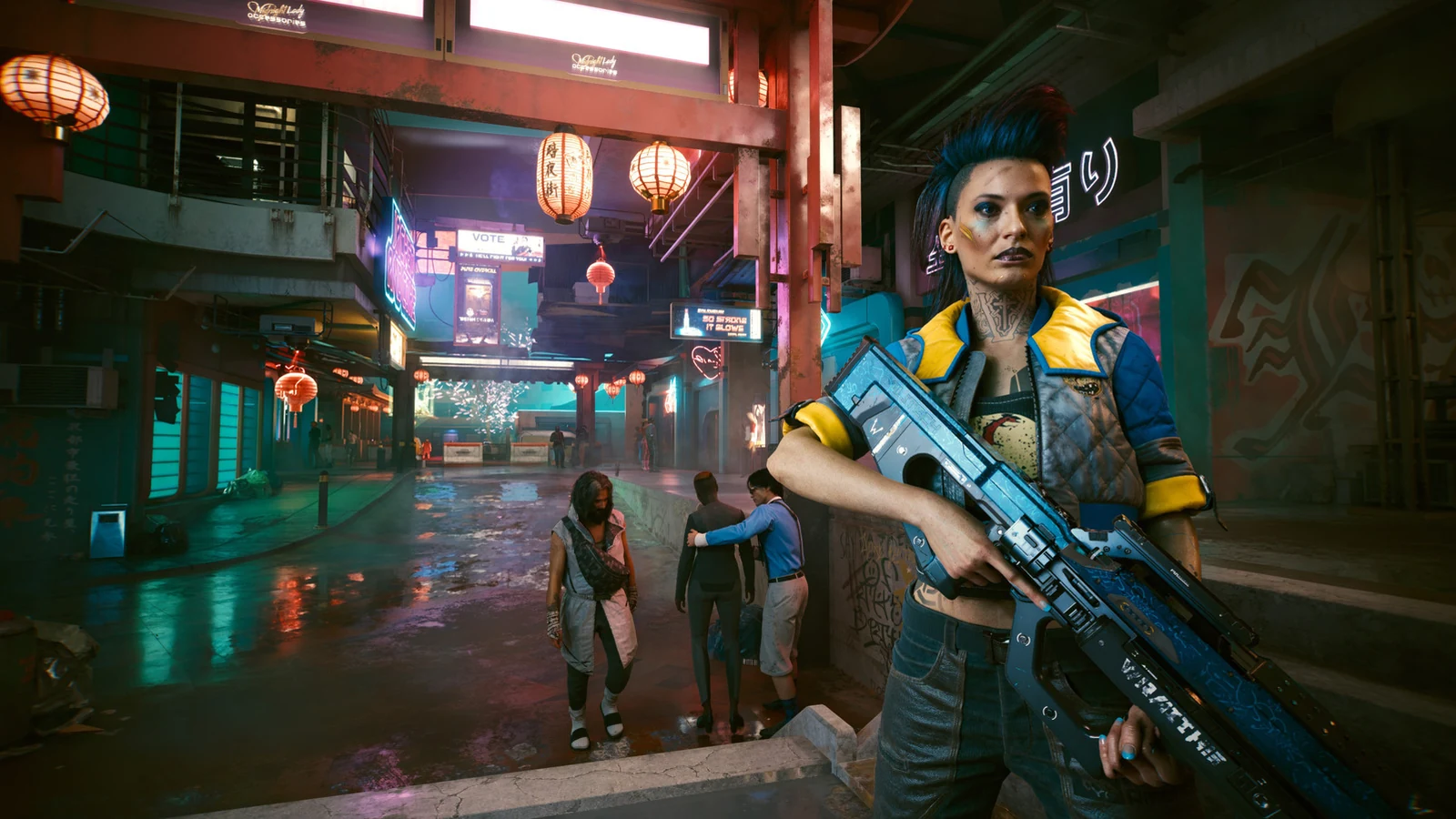
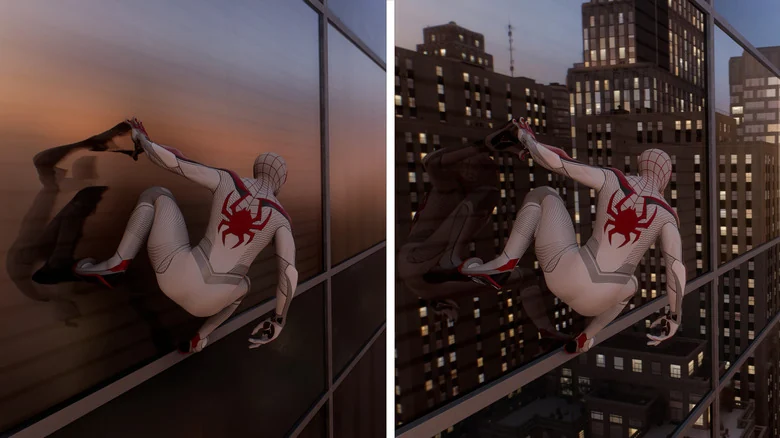
Ray tracing is an advanced rendering technique designed to simulate realistic lighting effects, shadows, and reflections far more accurately than traditional rasterization methods. While older titles relied on screen-space reflections, modern supported games use ray tracing to bounce rays around the scene. This process allows the engine to accurately calculate how offscreen objects are reflected and how the in-game world should be lit.
For players diving into the best PC games, the technology makes lighting behaviors look considerably more natural. However, this visual fidelity comes with steep hardware demands.
Hardware Requirements and Performance Impact
Enabling ray tracing generally causes a noticeable drop in performance unless played on a robust system. Dedicated players have increasingly adopted modern hardware, with the Steam Hardware Survey noting that cards like the extremely capable NVIDIA GeForce RTX 5070 hold high usage shares. Even so, players using older graphics cards or mid-range GPUs often find that the frame rate cost outweighs the visual benefits.
Comprehensive performance tests conducted by TechSpot analyzed ray tracing across 36 different titles. The findings revealed that average frame rates typically dropped by 20 to 40 percent when the feature was activated. Certain games showed even sharper declines, with Hogwarts Legacy experiencing a 45 percent drop, Alan Wake 2 seeing a 52 percent decrease, and Hitman 3 recording an average frame rate reduction of 65 percent.
Mitigating Performance Drops with Frame Generation
To counter the performance tax imposed by advanced lighting, players often turn to software solutions. Technologies like NVIDIA's DLSS 4.5 Multi Frame Generation tech can help boost frame rates and improve your fps for smoother gaming, though it may introduce increased input lag.
For users operating on older hardware configurations, such as an RTX 3060 or AMD Radeon RX 6600 XT, experts generally recommend keeping ray tracing disabled. Focusing on a stable frame rate at native monitor resolution often yields a better overall experience if the hardware cannot comfortably support the feature.
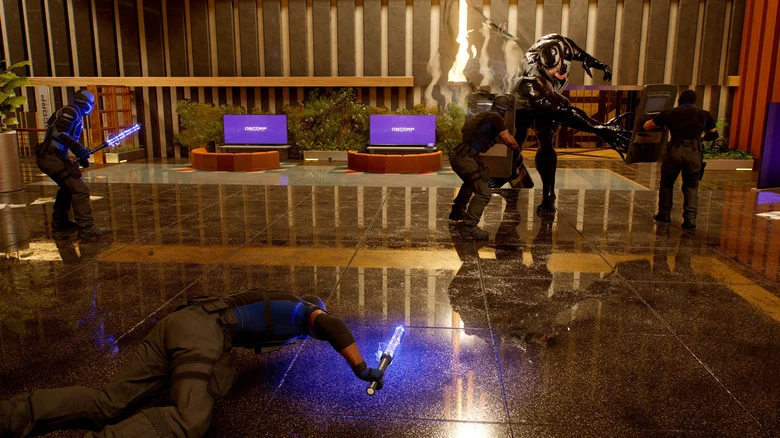
Understanding Path Tracing as an Advanced Alternative
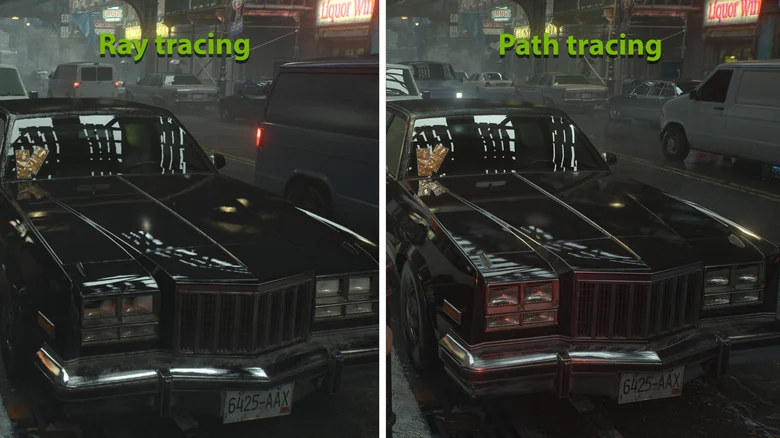
Beyond standard ray tracing lies path tracing, sometimes called full ray tracing. While standard ray tracing often combines with traditional rasterization to handle specific reflections and shadows, path tracing controls the entire look of a game by calculating far more lighting sources. This technique creates a consistently lit image with multi-bounce global illumination.
Although titles like Cyberpunk 2077 showcase jaw-dropping visual results with path tracing enabled, the technique places an even heavier burden on system performance than standard ray tracing. Depending on the scene, enabling path tracing can be up to 50 percent more demanding than traditional ray tracing, making it suitable only for the most powerful desktop setups.
Sources
- EngadgetWhat is ray tracing in gaming and does it really make a difference?
Continue chronologically

Related entity coverage
Related stories
What to Do With Your Old Graphics Card Instead of Trash
Discover how to repurpose, sell, or recycle your old graphics card instead of throwing it away, from media servers to secondary gaming rigs.
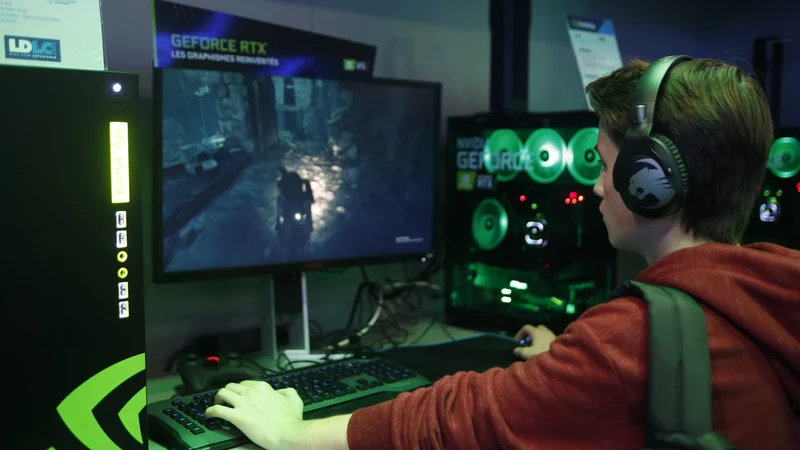
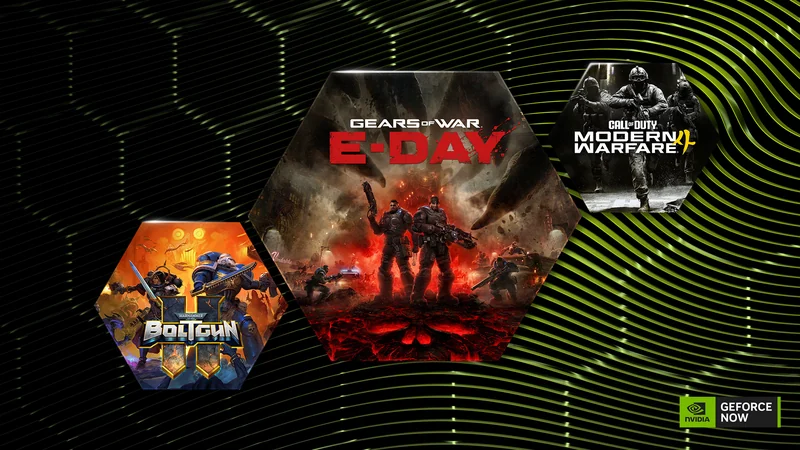
Gears of War: E-Day Launches on GeForce NOW
Gears of War: E-Day leads the GeForce NOW lineup this week, bringing cloud-based RTX performance, new game releases, and upcoming Fire TV integration.
Geference NOW Adds 25 New Games for October
GeForce NOW announces 25 new games arriving in October, featuring The Witcher 3: Wild Hunt – Remastered, CONTROL Resonant rewards, and more.
Why Hardware-Accelerated GPU Scheduling Hurts Cheap GPUs
Tests show that hardware-accelerated GPU scheduling can consume nearly 1GB of VRAM, posing a major issue for 6GB and 8GB graphics cards.