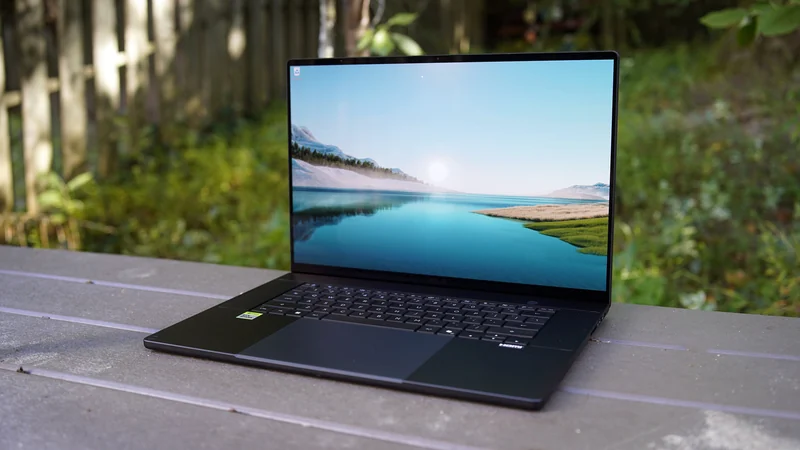
Nvidia RTX Spark laptops show promise after a week
Nvidia’s RTX Spark N1X is making Windows on Arm more capable for creative work and gaming. Testing across five laptops also exposed high prices, heat and game-specific limits.
 Radwan AbdulhadiEditor and technology writer
A high-end debut for Windows on Arm
Nvidia’s RTX Spark N1X has arrived as a new Arm-based system-on-chip for laptops and small desktop computers, positioning the company against Apple, Intel, AMD and Qualcomm. The chip combines a large number of CPU cores with Nvidia RTX Blackwell graphics and unified memory intended to support demanding applications, including sizable local AI models.
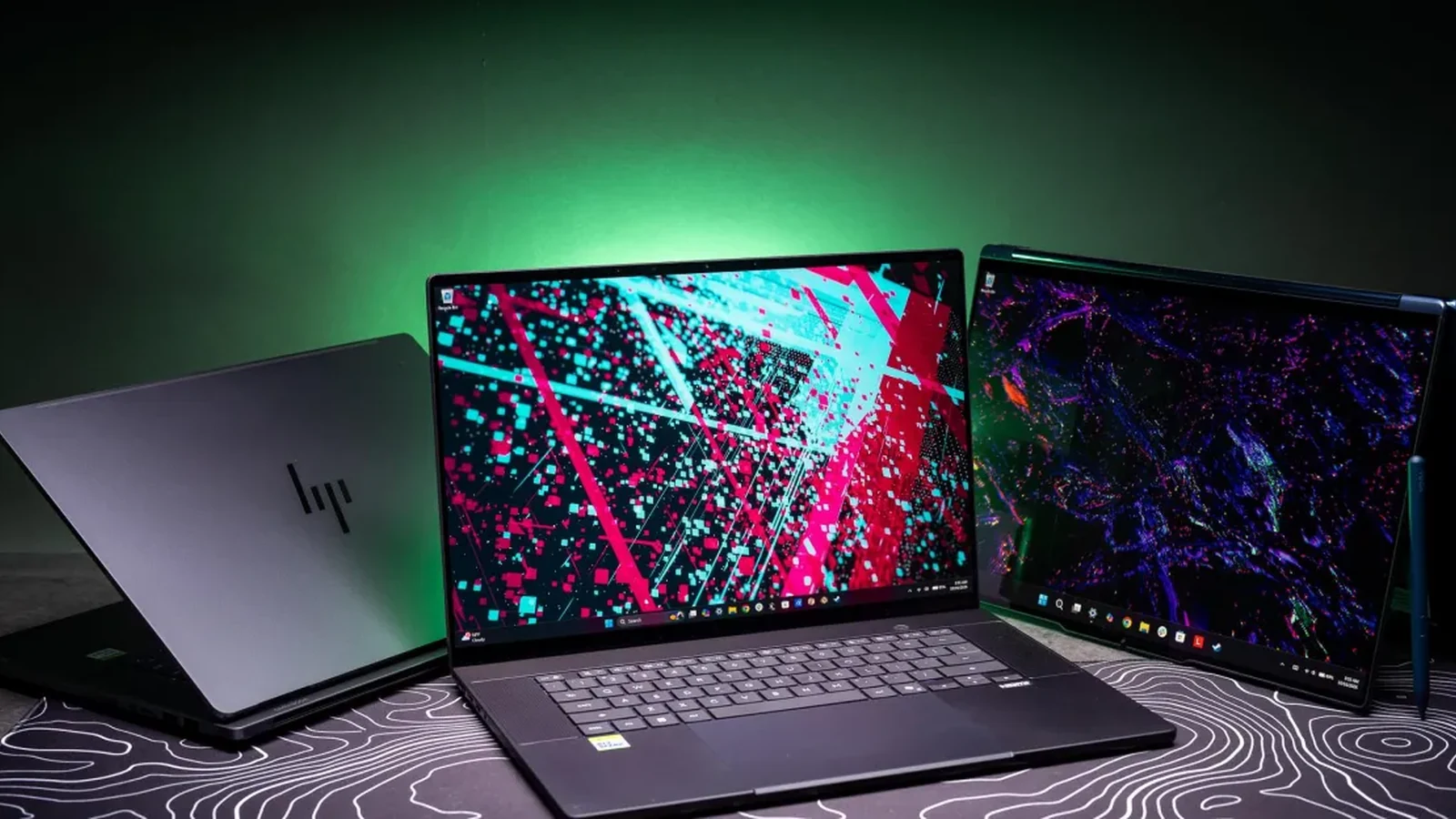
The Verge tested five configurations from Microsoft, Asus, HP and Lenovo over a week rather than producing a scored review of any single machine. The lineup included Microsoft’s Surface Laptop Ultra, Asus’ ProArt P16, Lenovo’s Yoga 9n 2-in-1 and HP’s OmniBook Ultra. Tom Warren also [fully reviewed the Surface Laptop Ultra](https://www.theverge.com/tech/1012628/microsoft-surface-laptop-ultra-review), while the other testing focused on shared experiences across the machines.
The highest-end systems used an N1X configuration with 20 CPU cores and 6,144 GPU CUDA cores. Prices for those tested laptops ranged from $3,199.99 for the HP OmniBook Ultra to $6,999.99 for the Asus ProArt P16. Lower-cost configurations use an 18-core N1X with 5,120 CUDA cores, but the entry point still reaches $2,599.99 for a Surface Laptop Ultra or a smaller Asus ProArt P14.
Everyday Windows software is mostly ready
The week of testing suggests that Windows on Arm is no longer broadly defined by poor application compatibility. Microsoft’s Prism emulation layer allows many x86 applications to run, while Adobe already offers native Arm versions of Photoshop and Premiere. Lightroom Classic remains an x86 application, but one tester reported no noticeable problems using it on the RTX Spark laptops.
Another tester used an RTX Spark system as a daily computer with Signal, Discord, Audacity, CapCut, Evernote, IrfanView, Slack and ScreenToGif, among other applications. Nothing failed outright, although some programs occasionally took longer to load or needed to be launched again. Evernote notes disappeared several times after switching applications, but a forced refresh restored them. The systems also did not consistently follow the user’s dark-mode preference.
The remaining concern is specialized software that is exclusively x86-based. The testing indicates that users who depend on such applications may still encounter problems, while general-purpose work has become much less likely to reveal whether an application is native Arm software or running through emulation.
Gaming performance is capable, not uncompromised
RTX Spark gives Windows on Arm a more credible gaming profile than previous systems in the category. There are still relatively few native Arm games, but the Nvidia GPU can provide enough performance to offset some of the overhead from emulation. In general, testing found that medium settings at 1440p with DLSS Performance could produce a stable 60 frames per second in many games.
Black Myth: Wukong averaged 70fps at native 3270 x 2180 resolution with medium settings and DLSS Performance enabled. Cyberpunk 2077 averaged 66fps under the same broad settings, while Forza Horizon 6 reached an average of 57fps. Other tested games included Returnal at 1440p with high settings, Expedition 33 with high settings and DLSS-upscaled 1200p, Jedi Survivor at medium settings, and Shadow of the Tomb Raider at native 1800p with its highest settings.
The processor can nevertheless become the limiting factor. Helldivers 2 did not consistently reach 60fps in its most demanding missions even after dropping to DLSS-upscaled 1080p. Star Wars Zero Company was described as especially [CPU-bound](https://www.ea.com/games/starwars/zero-company/faq#:~:text=we%20validated%20the%20game%20is%20actually%20more%20CPU%20bound), with battle scenes typically running between 37fps and 39fps regardless of graphics settings or resolution.
Compatibility quirks also appeared in older and less demanding games. Max Payne 2 sometimes fell to 50fps, and a few hitches were observed in UFO 50, although other 2D games ran well. The results point to a machine that can support gaming on the go, but not one that replaces a dedicated gaming laptop.
VR support remains unfinished
Virtual reality was less convincing during the testing. The [excellent Titanfall 2 VR mod](https://www.theverge.com/games/1006448/titanfall-2-vr-mod-circuitlord-jordan-juarez) worked and initially appeared stable, but lost some stability after several minutes. The testers could not rule out Wi-Fi as a factor.
There were also driver and audio problems involving Valve’s wireless Steam Frame adapter. Its driver would not install on the RTX Spark system, and Steam’s streaming audio solution failed as well. As a result, audio played through the Nvidia laptop rather than the headset. The findings leave RTX Spark’s suitability for VR uncertain.
Power comes with noise, heat and cost
The tested laptops are designed for developers, coders and content creators who want high performance, local AI capability and access to Nvidia’s latest graphics features. However, they are not quiet, cool ultraportables under load. Gaming can send the fans to their maximum speed and push substantial heat onto a desk or lap, a behavior that is familiar from thin gaming notebooks but less appealing in a premium productivity machine.
After a week, RTX Spark appears to be an ambitious high-end platform rather than a universal answer for Windows laptops. Its combination of Arm software progress and Nvidia graphics makes everyday work straightforward and portable gaming viable, while CPU-bound games, VR support, heat and prices limit the audience. The platform’s strongest case is for users who specifically need a powerful Windows system with Nvidia graphics and are prepared to pay for an early, premium implementation.
Sources
- The VergeA week with RTX Spark: everything we’ve learned using Nvidia’s new laptops
Continue chronologically
Related entity coverage
Related stories
Nvidia Launches RTX Spark Laptops with Arm Windows Support
Nvidia brings Arm-powered Windows PCs to market with the new RTX Spark laptops, promising full application and game compatibility.
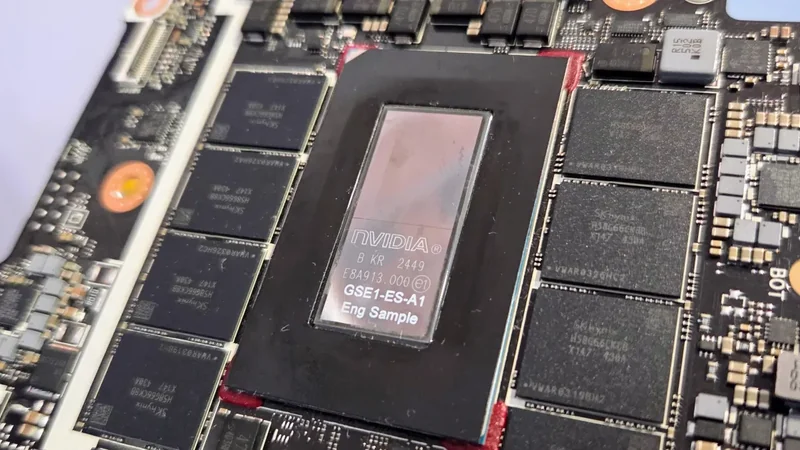
Microsoft Surface Laptop Ultra Review: RTX Spark Meets Design
Explore the new Microsoft Surface Laptop Ultra featuring Nvidia's RTX Spark platform, luxury design, robust ports, and Windows on Arm performance.
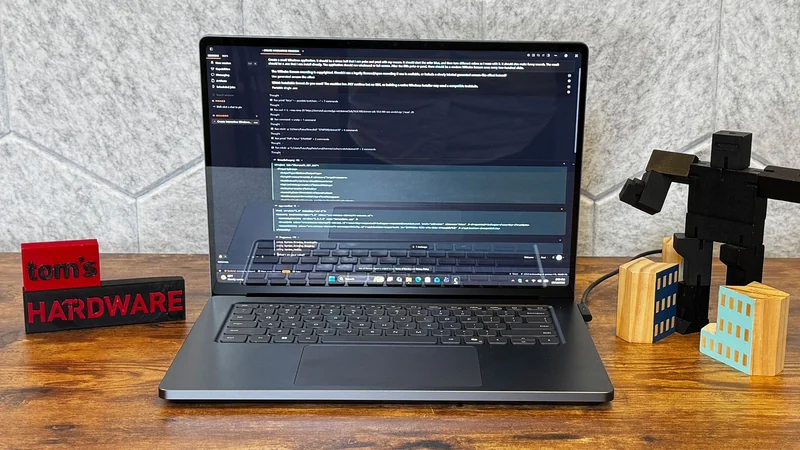
Optimizing Windows for Nvidia’s New RTX Spark Laptops
Discover how Microsoft and Nvidia are optimizing Windows on Arm for the new RTX Spark platform, focusing on local AI, gaming, and memory management.
ASUS ProArt P16 Review: A Sleek Showcase For NVIDIA's RTX Spark
The ASUS ProArt P16 serves as a sleek showcase for NVIDIA's RTX Spark platform, delivering powerful local AI performance at a premium price.