
Putin Uses Unlicensed Windows on Dell PC for Online Vote
A high-profile online voting event has sparked debate after eagle-eyed observers identified unlicensed software and foreign hardware being used by the Russian president.
 Radwan AbdulhadiEditor and technology writer
Visual Evidence of Unlicensed Software
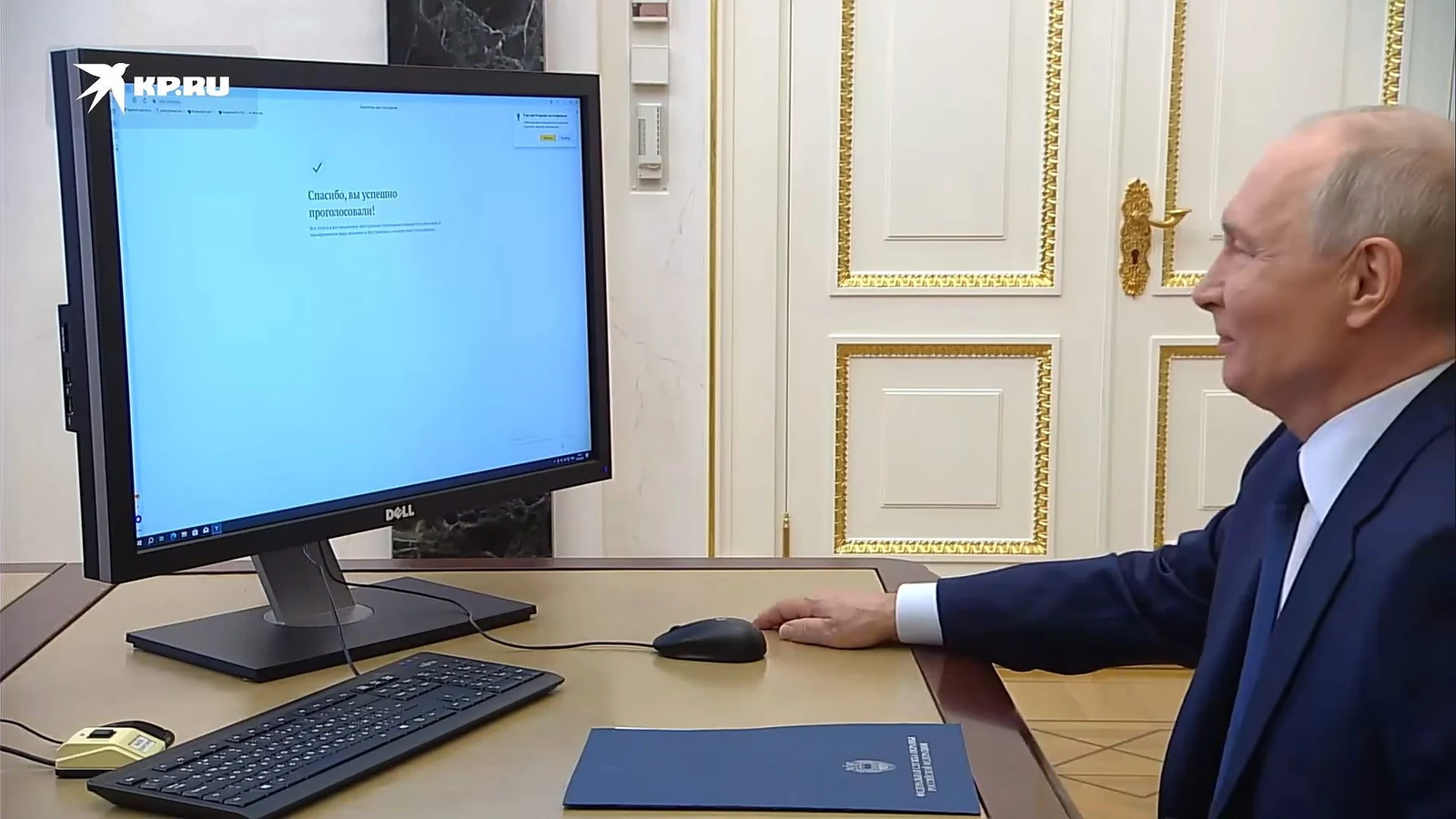
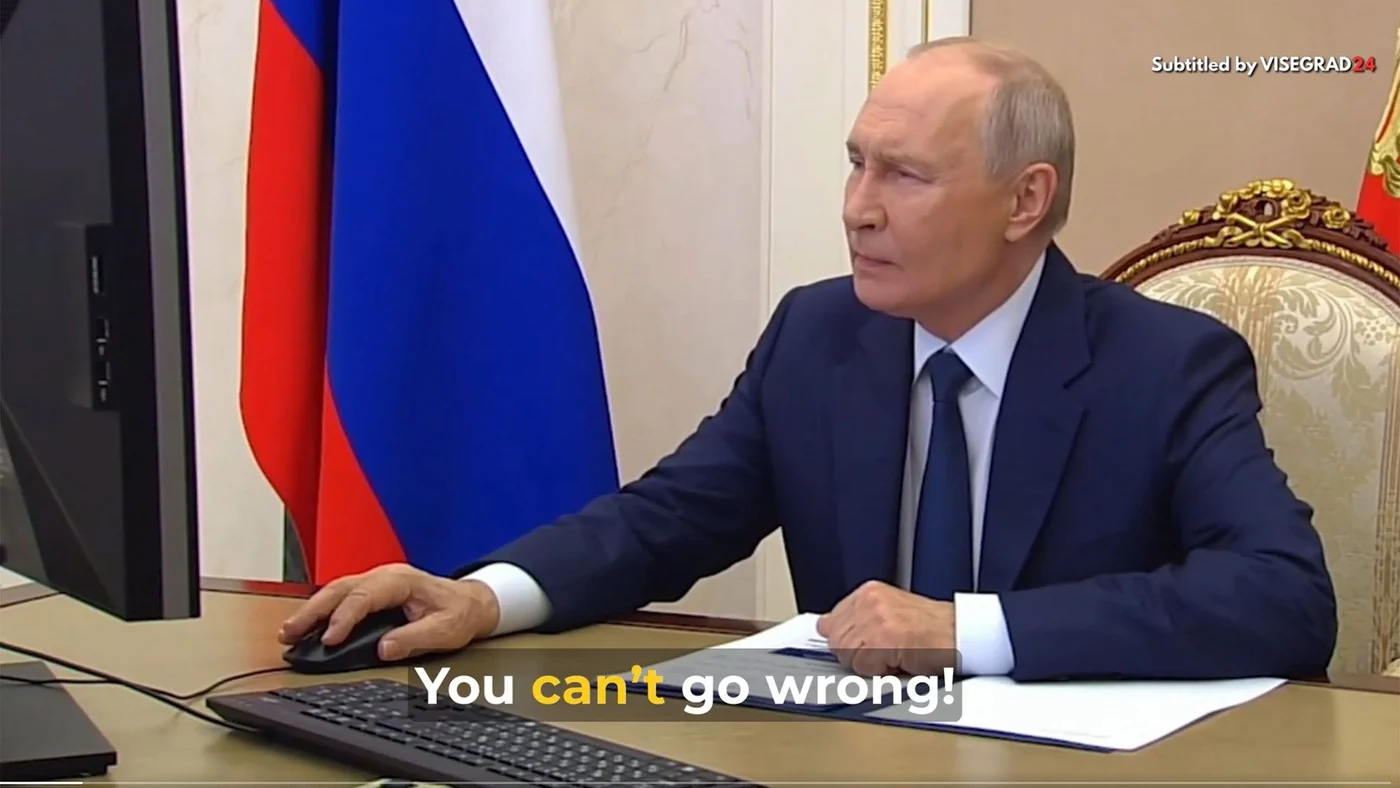
During a recent state-sanctioned event, Russian President Vladimir Putin participated in the national legislative elections via an online portal. The broadcast, intended to demonstrate the ease of the digital voting process, has instead drawn significant attention to the underlying computing environment. In the widely circulated footage, viewers noted a persistent watermark on the monitor, which is a hallmark of an unlicensed copy of Windows. The presence of this notification indicates that the version of the operating system being used had not been properly registered or activated with Microsoft.
The discovery was corroborated by magnified segments of the video. While some social media discourse attempted to cast doubt on the video's authenticity by comparing it to historical overlays, verification from established Russian media sources—including Komsomolskaya Pravda—confirmed that the watermark was indeed present on the screen used by the president during the voting session. The revelation is particularly striking given the global nature of software licensing and the cost of legitimate enterprise software.
Hardware Discrepancies and Russian Tech Mandates
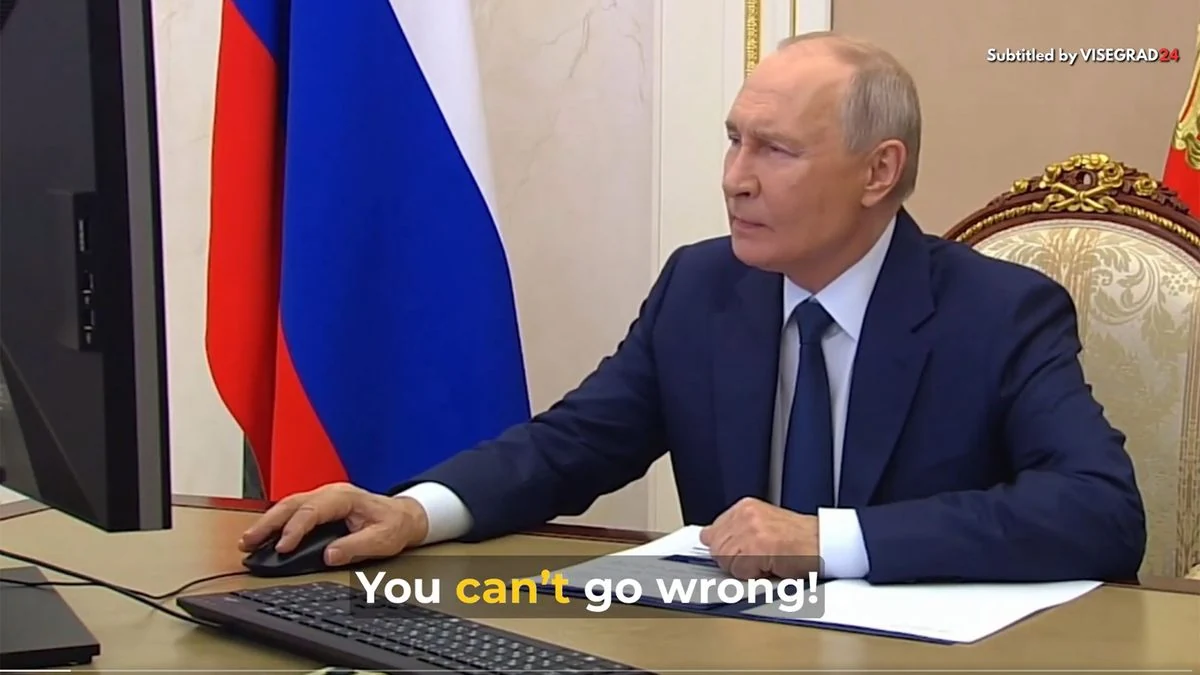
Beyond the software status, the hardware itself has become a point of contention. The computer used by the president is a Dell-branded machine, which is a significant choice considering the official Russian policy regarding the usage of foreign technology by state officials. Currently, Russian mandates encourage and often require the use of localized computing hardware to ensure security and compliance with national standards. The use of an American Dell PC by the head of state in a highly choreographed event appears to fly in the face of these domestic technology initiatives.
Analysts suggest that this specific machine was likely provisioned specifically for the voting demonstration. By using a fresh, clean installation of the operating system that was presumably disconnected from the standard government network, the administrators may have inadvertently overlooked the requirement to activate the software. This approach, while convenient for a temporary media appearance, stands in contrast to the government's broader messaging regarding technological self-sufficiency and digital independence from Western software giants like Microsoft.
Context of the State Duma Elections
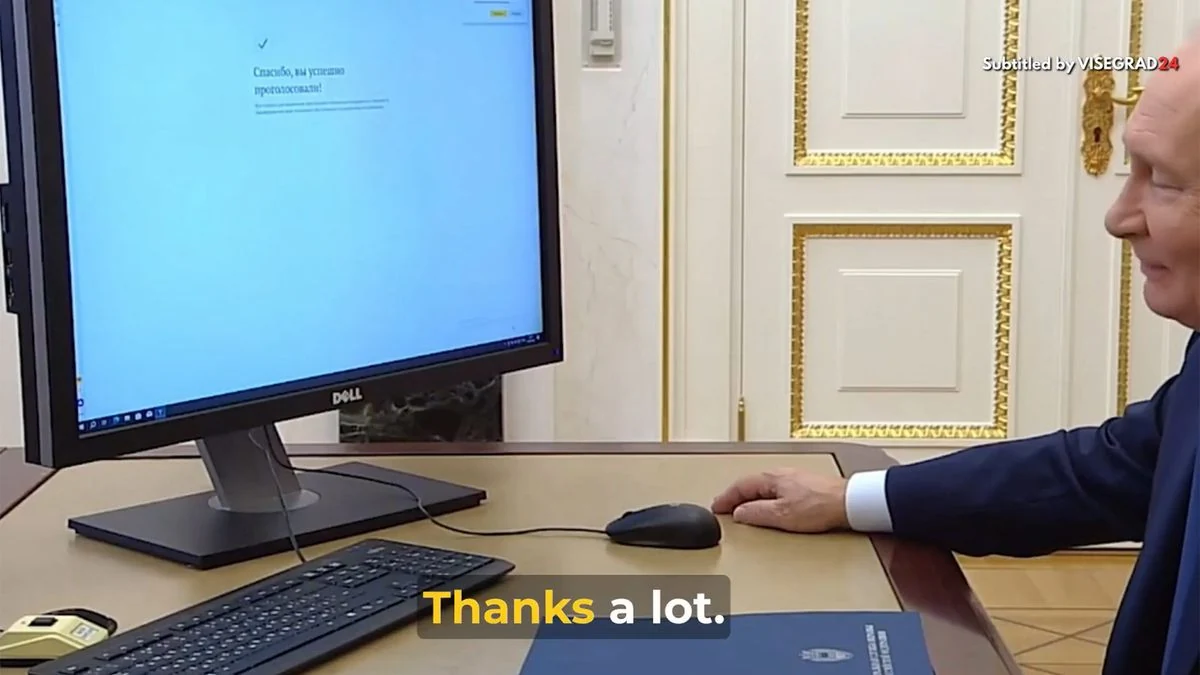
The election process overseen by the president was focused on the 9th State Duma, according to information released by the state news agency TASS. The report emphasized that remote voting has become a preferred method for the president in recent years. Furthermore, this cycle marked the first time that residents of several recently incorporated territories—specifically the Donetsk, Lugansk, Kherson, and Zaporozhye regions—were eligible to participate in the legislative elections for the lower house of the Russian parliament.
The broadcast was designed to project an image of modern, digitized civic participation. During the process, the president remarked, 'You can’t go wrong,' while selecting his candidate. However, the optics were complicated by the technical scrutiny of the hardware used. The reliance on foreign equipment and unactivated software has fueled a narrative of inconsistency between the Kremlin’s public technological stances and its internal practices.
Interface Challenges and User Interaction
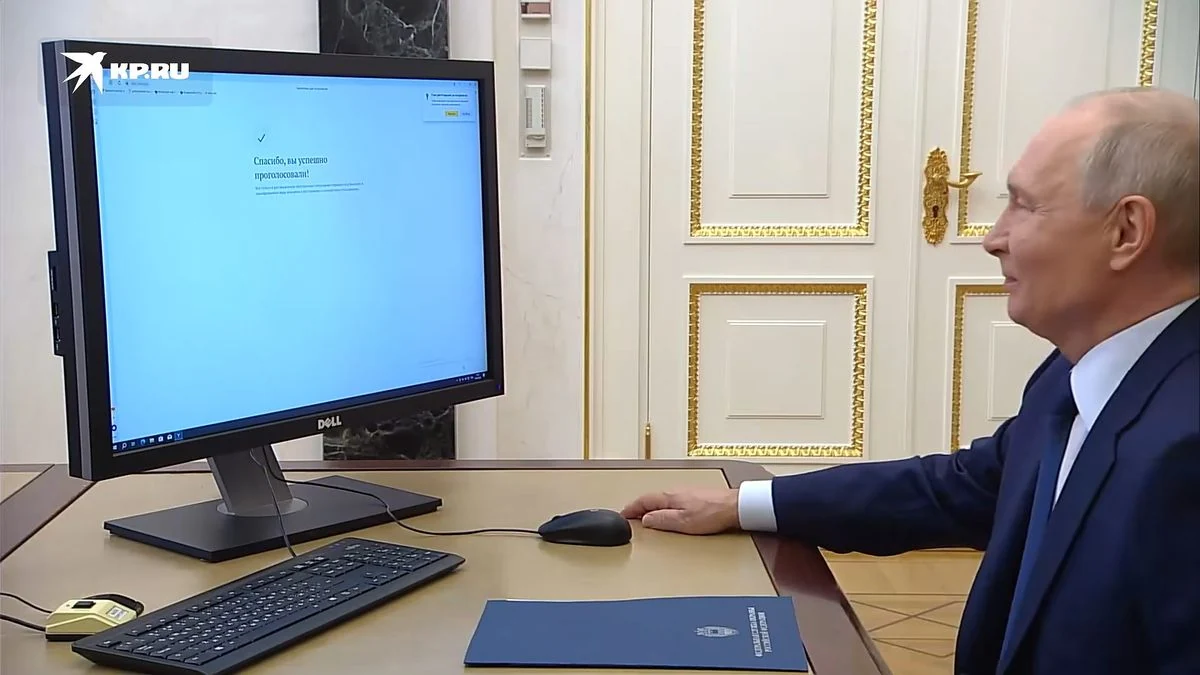
Aside from the technical configuration of the PC, the president’s interaction with the voting interface garnered significant attention on social media platforms. Observers noted that the interaction was marked by long, uncomfortably silent pauses as the 73-year-old president navigated the UI. While some online commentators criticized the president’s mouse skills, a closer inspection suggests that the delay was primarily due to vision-related difficulties. The president was seen leaning into the screen and squinting, seemingly struggling to interpret the digital content presented in front of him.
The physical constraints of the display and the font size of the voting application appeared ill-suited for the president’s needs. The combination of the 'Activate Windows' visual distraction and the apparent difficulty in reading the screen highlighted potential UX flaws in the portal. The incident has raised questions about whether government administrative systems are adequately optimized for all users, or if future high-level appearances might require customized accessibility configurations to prevent such awkward public displays in the future.
Sources
- Tom's HardwarePutin casts online vote using unlicensed Windows on an American Dell PC — 'Activate Windows' watermark visible in official Kremlin clip, uses foreign Dell PC despite Russian tech mandate