
Microsoft Steps Back From Copilot+ PC Branding
Microsoft is quietly phasing out its Copilot+ PC branding, leaving the once-prominent AI marketing term off its newest hardware releases.
 Radwan AbdulhadiEditor and technology writer
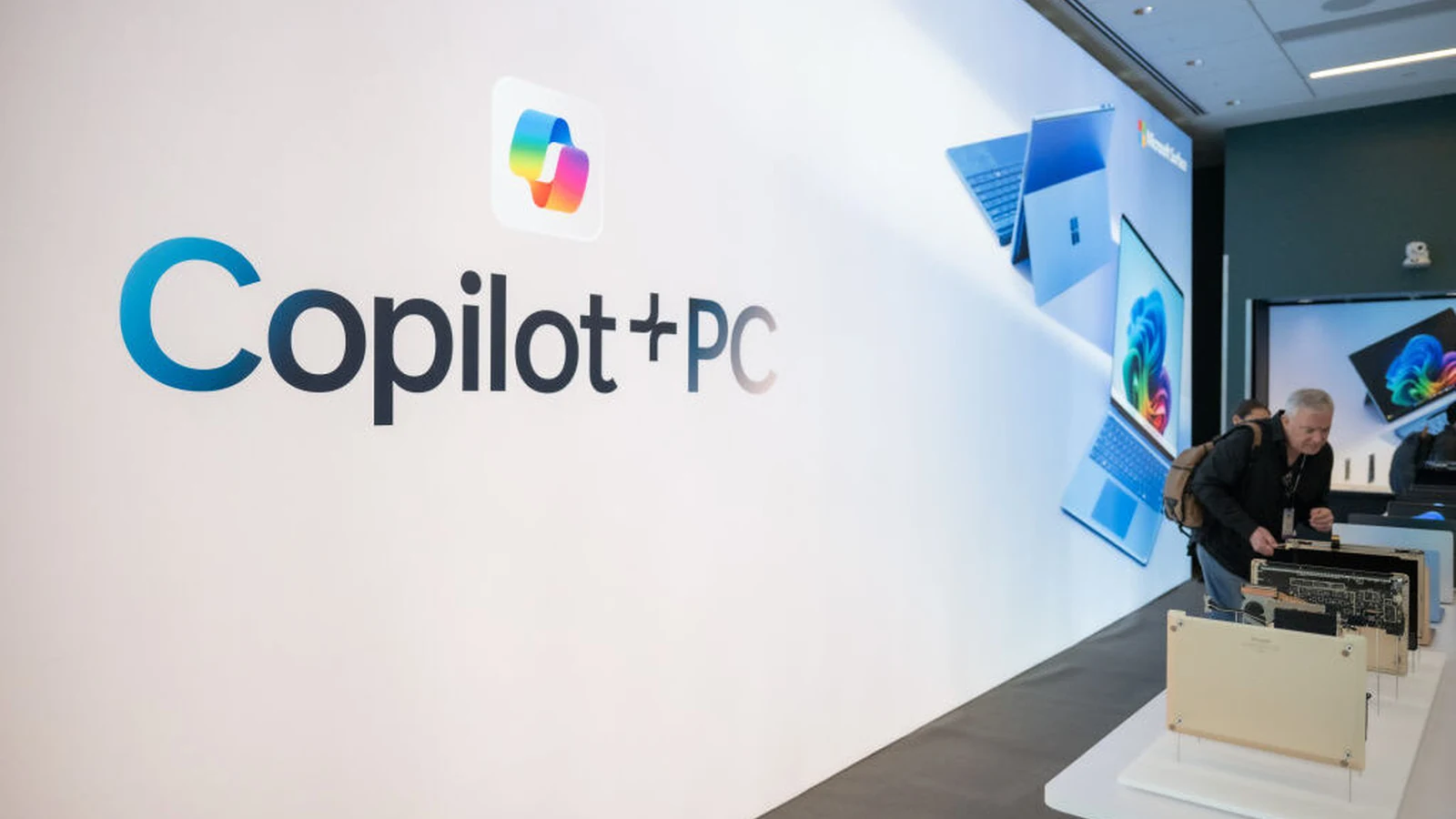
The Shift Away From AI Branding
Since 2024, Microsoft has tried to sell "Copilot+ PC" as a premier hardware category. The marketing initiative was aimed at making it easy for people to know which Windows systems were approved to run AI-accelerated workloads locally. However, this specific branding is notably absent from the latest Surface computers announced by Microsoft.
Speaking with Windows Central, Brett Ostrum, corporate vice president of Surface, confirmed that the new Surface computers "are not called Copilot+ PCs" despite meeting the label’s technical requirements. Ostrum noted that the devices still meet the necessary performance threshold for local AI features.
Technical Requirements and Hardware Specifications
Copilot+ PCs traditionally require 16GB of RAM, 256GB of storage, and an integrated neural processing unit (NPU) with performance rated at 40 trillion operations per second (TOPS) or better. Upcoming hardware releases, such as the 12-inch Microsoft Surface Pro and 13-inch Surface Laptop, easily surpass these criteria by utilizing processors equipped with advanced NPUs.
Kedar Kondap, senior vice president of compute at Qualcomm, explained that the purpose of the initial branding was to establish a clear performance bar and metric for NPU capability. While the terminology is fading, manufacturers are continuing to deliver the underlying local artificial intelligence experiences without heavily leaning on the previous label.
Market Reception and Privacy Concerns
There are numerous reasons why Microsoft and its hardware partners may be shying away from Copilot+ PC terminology. One prominent factor is that the label was closely associated with the controversial Recall feature, which drew intense scrutiny and remains concerning among privacy advocates due to persistent security risks.
Additionally, general consumer interest in dedicated AI PCs has seen fluctuations. Industry analysts note that as cloud-based options remain widely available and on-device use cases continue to mature, the aggressive marketing push has gradually shifted toward alternative hardware highlights, including incoming Nvidia chips instead of exclusive NPU branding.
The Evolution of Windows Hardware Strategy
As the personal computer industry moves past the initial wave of generative AI hype, manufacturers are adjusting their strategies. Microsoft's promotional materials have begun reflecting this transition, redirecting older landing pages toward more general performance categories rather than focusing strictly on AI branding.
With upcoming hardware events scheduled on October 7th, industry observers expect Microsoft to introduce fresh terminology and focus on new software capabilities, marking a clear chapter transition away from the initial Copilot+ PC naming convention.
Sources
- Ars TechnicaMicrosoft stops insisting you need a "Copilot+ PC"
- The VergeMicrosoft is killing off the ‘Copilot Plus PC’ brand