Intel Reportedly Launching New CPUs on Older Sockets for DDR4
Intel is reportedly planning to launch new processors on the older LGA 1700 socket to accommodate DDR4 memory, as high memory costs continue to impact the hardware market.
 Radwan AbdulhadiEditor and technology writer
Introduction to the Socket and Memory Situation
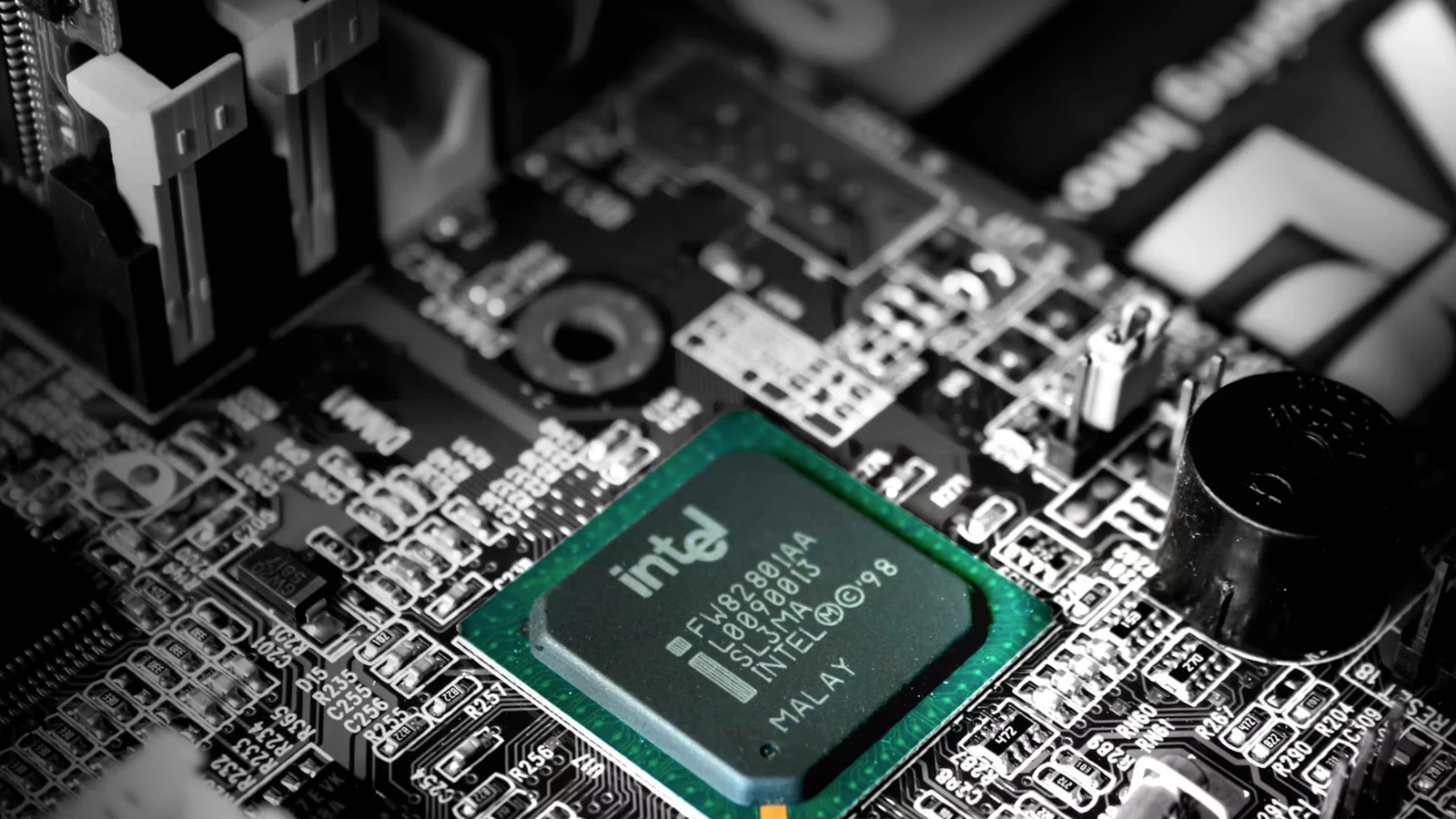
Intel is reportedly releasing new CPUs built on LGA 1700 sockets, according to motherboard manufacturer Gigabyte. The LGA 1700 has been around since 2021, which is a really long time in processor land. Why use relatively ancient technology in brand-new processors that are set to release next year? It all comes down to the price of memory, according to a report by PC Gamer. This is, of course, due to the ongoing AI-fueled RAMpocalypse.
The hardware industry has experienced significant shifts in component pricing over recent cycles. As system builders look for ways to optimize costs, the choice of memory architecture has become a critical factor for desktop consumers and enterprise builders alike.
Understanding the LGA 1700 Socket and DDR4 Support
LGA 1700 sockets offer support for both DDR5 and DDR4 memory, so the running theory is that upcoming refreshes of Raptor Lake and Alder Lake processors will be configurable to use DDR4 RAM. This is likely to accommodate the ongoing AI-fueled RAMpocalypse, in which memory prices have skyrocketed.
Because the LGA 1700 platform natively bridges multiple generations of memory architectures, motherboard vendors can maintain broader compatibility options without entirely redesigning their board layouts for entry-level and mid-range segments.
The Cost Gap Between DDR4 and DDR5 Memory
Simply put, DDR4 RAM is a lot cheaper than DDR5. Folks can pick up a 32GB DDR4 kit for around $210, but a 32GB DDR5 kit costs upwards of $480. This staggering price discrepancy forms the core motivation behind the industry speculation regarding upcoming processor configurations.
For budget-conscious builders trying to piece together a functional desktop rig, the hundreds of dollars saved on memory can be redirected toward a better graphics card or higher-capacity solid-state storage.
Intel Leadership Perspectives on Older Sockets
Intel hasn't confirmed this theory, but VP Robert Hallock recently said that Raptor Lake chips would be sticking around for 'years to come.' He also suggested that DDR4 integration is one of the primary reasons. 'LGA 1700 is still a good socket. Lots of people are still interested in DDR4, so we'll keep offering,' he said.
The company's willingness to sustain older socket configurations highlights a pragmatic approach to market demands, ensuring that users who do not require bleeding-edge speeds can still upgrade their systems affordably.
Performance Realities of DDR4 vs. DDR5 in Gaming
This isn't that surprising, given that many of the company's current line of processors can already be configured to use DDR4 memory. DDR4 isn't as fast as DDR5, but the older memory type is still fine for the vast majority of modern PC games. Testing has revealed that DDR5 sticks deliver a 1 to ten percent FPS improvement. However, this largely depends on the resolution the player chooses and the GPU.
As gaming workloads increasingly rely on GPU performance and high-resolution scaling, the bottleneck introduced by utilizing DDR4 memory instead of DDR5 often diminishes, particularly when playing at 1440p or 4K resolutions.
Broader Market Implications and Future Outlook
As the hardware ecosystem adapts to fluctuating supply chains and component costs, hardware manufacturers must balance technological innovation with consumer accessibility. The potential introduction of fresh LGA 1700 processors demonstrates how market pressures can revive older platforms to meet immediate economic needs.
Whether other manufacturers will follow a similar path remains to be seen, but the reliance on robust, mature architectures offers a viable buffer for consumers navigating volatile component pricing.
Sources
- EngadgetIntel is reportedly launching new CPUs on old sockets that support DDR4 memory
Continue chronologically
Related stories
Gigabyte BIOS Update Hints at Intel Raptor Lake Next
Gigabyte's new BIOS update confirms Intel LGA 1700 processor support for B760 and H610 motherboards, pointing to an early 2027 launch.
Decade-Old DDR4 RAM Makes Comeback Amid Price Hikes
Intel and AMD are reviving support for older DDR4 memory and platforms as severe RAM price hikes make modern DDR5 upgrades too expensive for many PC users.
Gigabyte Z890M Aorus Elite WiFi7 Ice Review
Explore the Gigabyte Z890M Aorus Elite WiFi7 Ice motherboard, a white Micro-ATX board offering full-sized features for Intel processors.
Gigabyte A16 Pro RTX 5070 Ti Laptop Slashed by $700 at Walmart
Walmart has cut $700 off the Gigabyte A16 Pro gaming laptop, featuring an RTX 5070 Ti and Intel Core 7 240H, available now for $1,449.