F-22 Raptor Pilot Commands YFQ-44A Fury Drone in Test
The U.S. Air Force has completed an airborne test in which an F-22 Raptor pilot successfully directed an autonomous wingman drone during simulated combat conditions.
 Radwan AbdulhadiEditor and technology writer
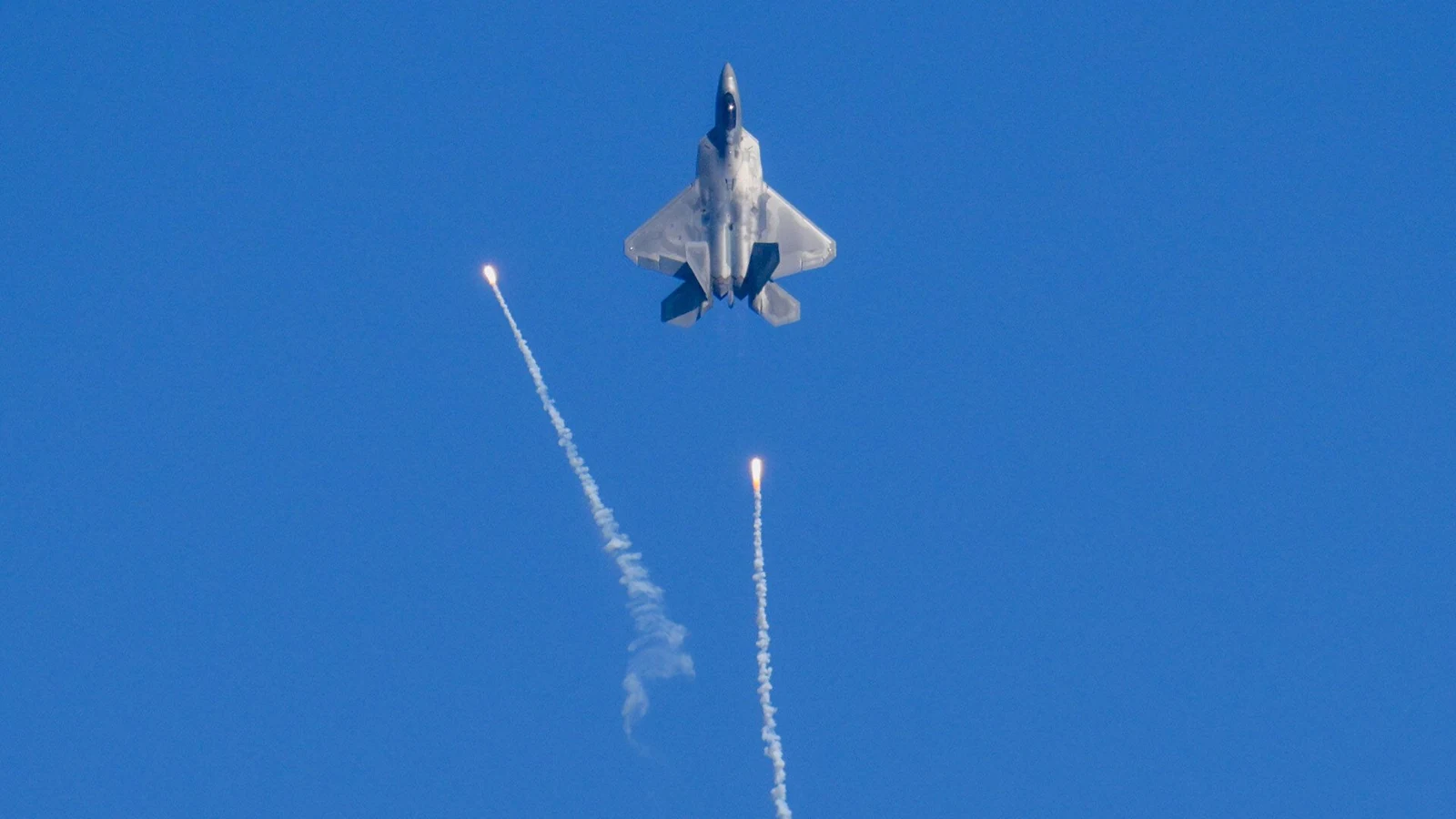
F-22 Raptor and YFQ-44A Fury Airborne Test
The U.S. Air Force recently conducted a successful airborne test where an F-22 Raptor pilot directed an Anduril YFQ-44A Fury drone during simulated combat scenarios. Detailed by reports from outlets like Tom's Hardware, the milestone marks a notable step forward in uncrewed aircraft integration for modern fighter squadrons. Further details are available from Tom's Hardware in the original source material.
During the evaluation, the fighter pilot provided tactical commands to the autonomous wingman. The drone then interpreted these directions into a series of specific tasks and flight maneuvers designed to achieve the desired combat outcome.
Collaborative Combat Aircraft Program Goals
The successful test is a core component of the USAF's Collaborative Combat Aircraft (CCA) initiative. The program seeks to seamlessly integrate uncrewed aircraft into existing fighter squadrons to serve as tactical force multipliers for crewed aircraft.
Because fighter pilots already face a heavy workload—managing their own aircraft, monitoring sensor data, evaluating threats, and making weapons release decisions—requiring them to manually fly a drone is virtually impossible. Command integration allows an F-22 Raptor pilot to assign specific tasks, such as monitoring and engaging enemy air defenses, while concentrating on primary mission objectives like tackling enemy fighters.
Remaining Hurdles for Operational Status
Despite the success of this recent evaluation, the military cannot immediately deploy drones alongside fighter jets in frontline squadrons. The successful command integration test represents only the first of several major hurdles the program must overcome before reaching full operational status.
Additional testing is required to determine the absolute limits of the drone's tactical autonomy, safe flight controls, and weapons authorization. Furthermore, the Air Force must evaluate how the uncrewed aircraft performs under conditions of electronic interference and whether it can continuously operate when communication instructions are interrupted.
Logistics, Supply Chain, and Global Context
Beyond refining the drone's capabilities and incorporating it into fighter doctrine, the system must also be fully integrated into the USAF logistics and supply chain. This encompasses drone maintenance, service, weapons handling, deployment procedures, and forward airbase operations conducted under limited infrastructure.
Although the CCA initiative has a long path ahead before operational deployment, the U.S. Air Force remains intent on driving the project forward. Autonomous drones are viewed as a cost-effective way for a single pilot to command multiple assets compared to relying entirely on all-crewed aircraft.
International competitors and allies alike are exploring similar technological concepts. Nations such as Sweden and China are experimenting with single operators commanding multiple drones, though the CCA program stands apart by maintaining a distinct focus on air power over ground-based operations.
Sources
- Tom's HardwareF-22 Raptor pilot successfully demonstrates command of 'wingman' fighter drone in simulated combat
Continue chronologically

Related stories
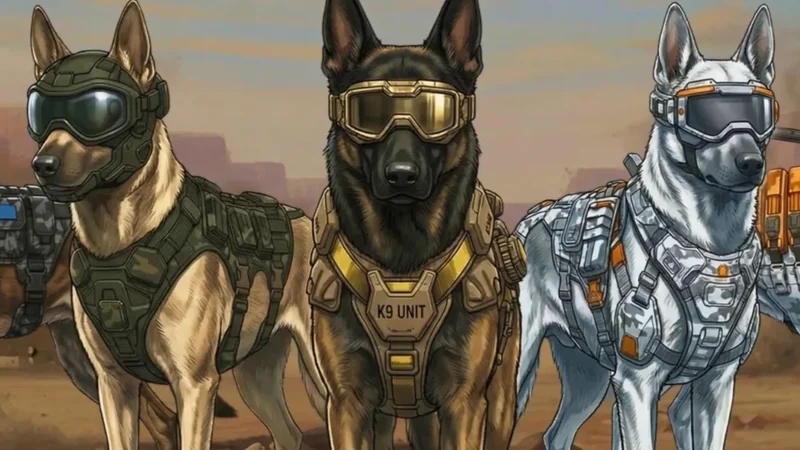
Startup Warhound Aims to Engineer Military and Police Dogs
Warhound has launched with $200 million to genetically modify working dogs for the US military and police, integrating advanced defense technology.
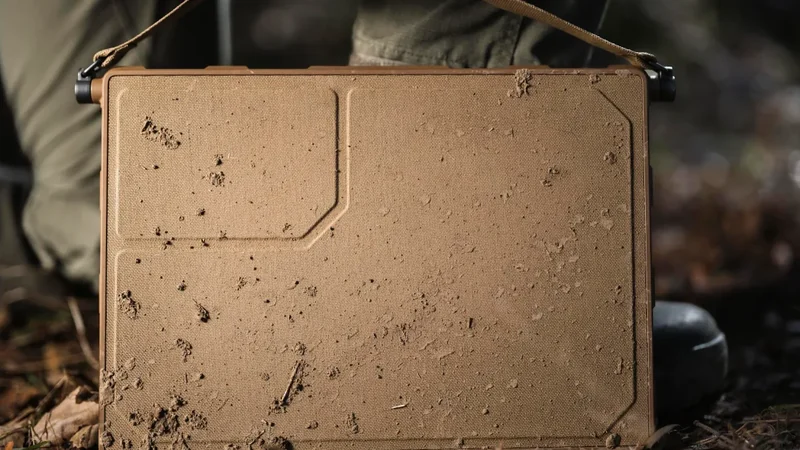
Anduril and Qualcomm Launch BlueChip US-Made Laptop
Anduril and Qualcomm have announced BlueChip, a new rugged, US-made laptop aiming for a transparent supply chain and 100% domestic components.

Anduril Says BlueChip Laptop Will Meet Buy American Standards
Defense contractor Anduril states its upcoming BlueChip laptop will meet 65 percent U.S. domestic-content standards when it launches in 2027.
Nintendo Switch 2 Discounted to $469 in Rare Sale
The Nintendo Switch 2 portable gaming console is currently discounted to $469.99, offering a $30 savings off its recent $499 price tag.