
Canceled AMD Ryzen 9 5900X3D Engineering Sample Emerges
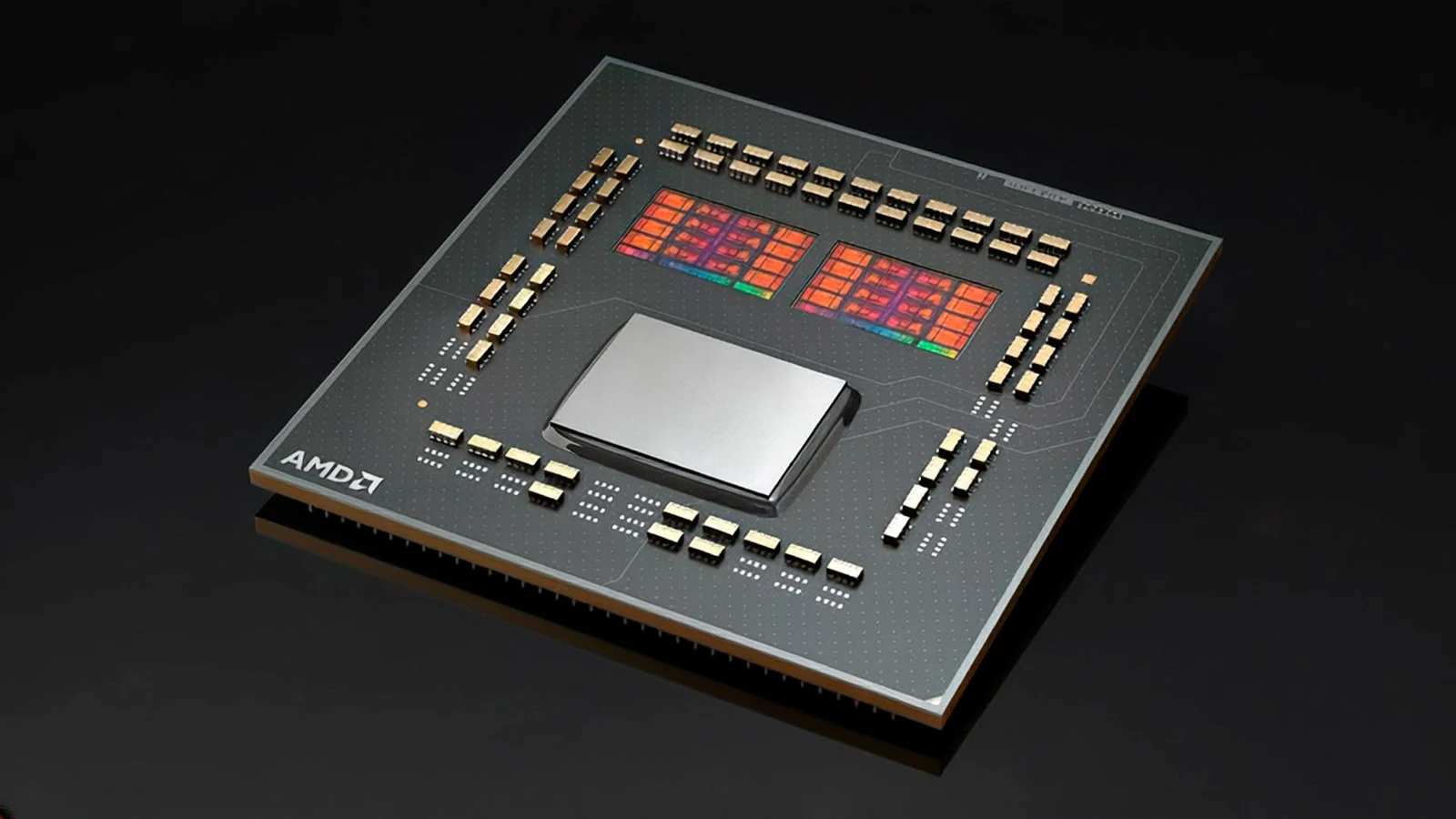
A rare engineering sample of the unreleased Ryzen 9 5900X3D has surfaced on Chinese forums, showcasing what could have been a powerful 12-core Zen 3 processor with 128MB of L3 cache.
 Radwan AbdulhadiEditor and technology writer
The Rise of a Canceled Prototype
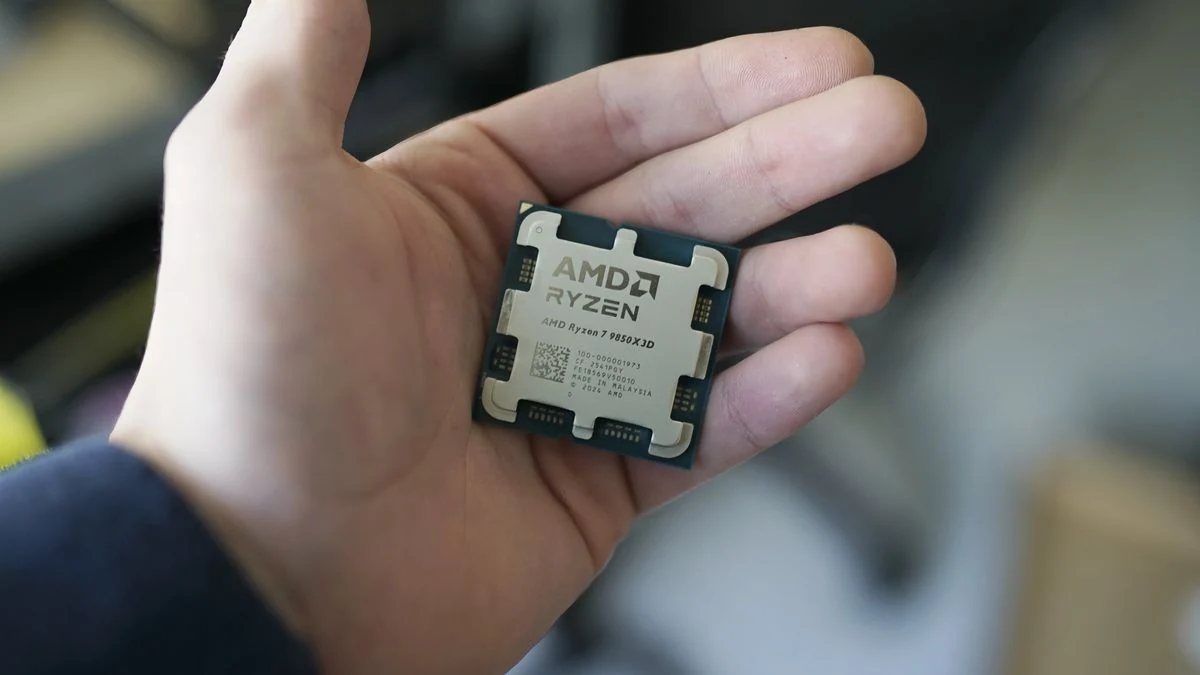
Years after its initial conceptualization, an engineering sample of the unreleased AMD Ryzen 9 5900X3D has emerged on the Chinese Chiphell forums. While the standard Ryzen 7 5800X3D has remained a dominant choice for gaming over the years, a 12-core variant could have offered an intriguing mix of high-end productivity and gaming performance.
The existence of this processor was not entirely a surprise to the hardware community. AMD previously teased a similar 12-core 3D chiplet prototype at Computex 2021, demonstrating performance gains of up to 15 percent over a regular Ryzen 9 5900X in average gaming workloads when both CPUs were locked at a 4 GHz frequency.
Specifications and Architecture
The surfacing engineering sample, carrying the identifier 100-000000652-20_48/32_Y, confirms that the processor packed 128MB of L3 cache. This total doubled the 64MB capacity found on the standard Ryzen 9 5900X by integrating 64MB of 3D V-Cache onto one of the two Core Complex Dies housed within the chip.
A CPU-Z screenshot shared alongside the discovery points to a clock speed of around 4,649 MHz, which likely represents the processor's boost clock. If rounded to 4.7 GHz, the canceled chip would have featured a boost clock only 100 MHz slower than the non-3D Ryzen 9 5900X variant.
Exploring Higher Cache Configurations
The 128MB cache layout was only one of several alternative experimental paths explored by AMD during the development phase. During a lab visit, hardware analysts observed a 12-core Zen 3 chip equipped with a massive 192MB of L3 cache, achieved by stacking 64MB of 3D V-Cache onto both CCDs instead of just one.
A similar 192MB configuration was also spotted on a 16-core Zen 3 prototype, which likely would have been commercialized as a Ryzen 9 5950X3D if it had reached the retail market.
Strategic Shifts Toward Single-CCD Designs
These early experimental prototypes ultimately paved the way for the single-CCD design of the Ryzen 7 5800X3D. AMD's choice to pursue an asymmetric layout proved effective for gaming, as an eight-core layout avoids cross-die latency issues that can appear when 3D V-Cache is stacked across dual CCDs.
While dual-stack configurations offer clear advantages for productivity workloads, they introduce thermal, power, and cross-die latency trade-offs that limit peak gaming performance. This trend has continued into later generations, where single-CCD models often outperform their higher-core counterparts in specific gaming benchmarks.
Legacy and Future Iterations
Although AMD initially bypassed equipping its 12-core and 16-core Zen 3 processors with 3D V-Cache, the company eventually expanded the technology to higher-core chips in later generations. Subsequent rollouts have included options like the Ryzen 9 7900X3D, Ryzen 9 7950X3D, and newer iterations under the Zen architecture.
Ultimately, enthusiasts seeking out the absolute best CPUs for high-end gaming have consistently gravitated toward AMD's optimized single-CCD configurations, cementing the design philosophy born from these early engineering trials.
Sources
- Tom's HardwareAMD’s secret Zen 3 gaming CPU had 128MB of game-boosting L3 cache but never saw the light of day
Continue chronologically
Related stories
Gears of War E-Day Pushes Unreal Engine 5 CPU Limits
An in-depth benchmark of 25 Intel and AMD processors reveals that Gears of War E-Day is an uncharacteristically CPU-heavy Unreal Engine 5 title.

MSI Stealth A18 AI+ RTX 5090 Laptop Gets $520 Discount
Discover a major $520 discount on the MSI Stealth A18 AI+ gaming laptop featuring an RTX 5090 GPU, 64GB DDR5 RAM, and a 2TB SSD.
AMD Surpasses $1 Trillion Market Cap Milestone
AMD has officially joined the elite trillion-dollar market cap club, outpacing Intel following a significant surge in stock price fueled by data center demand.

How to Turn Your Old Windows PC Into a Chromebook for Free
Don't discard your aging hardware. Learn how to repurpose your old Windows or Mac computer by installing ChromeOS Flex for a lightweight and secure experience.