Apple Enters Smart Home Market With New In-House Lineup
After more than a decade of relying on third-party manufacturers for its HomeKit platform, Apple has introduced its own dedicated hardware collection developed in partnership with major industrial brands.
 Radwan AbdulhadiEditor and technology writer
A New Chapter for Apple Home
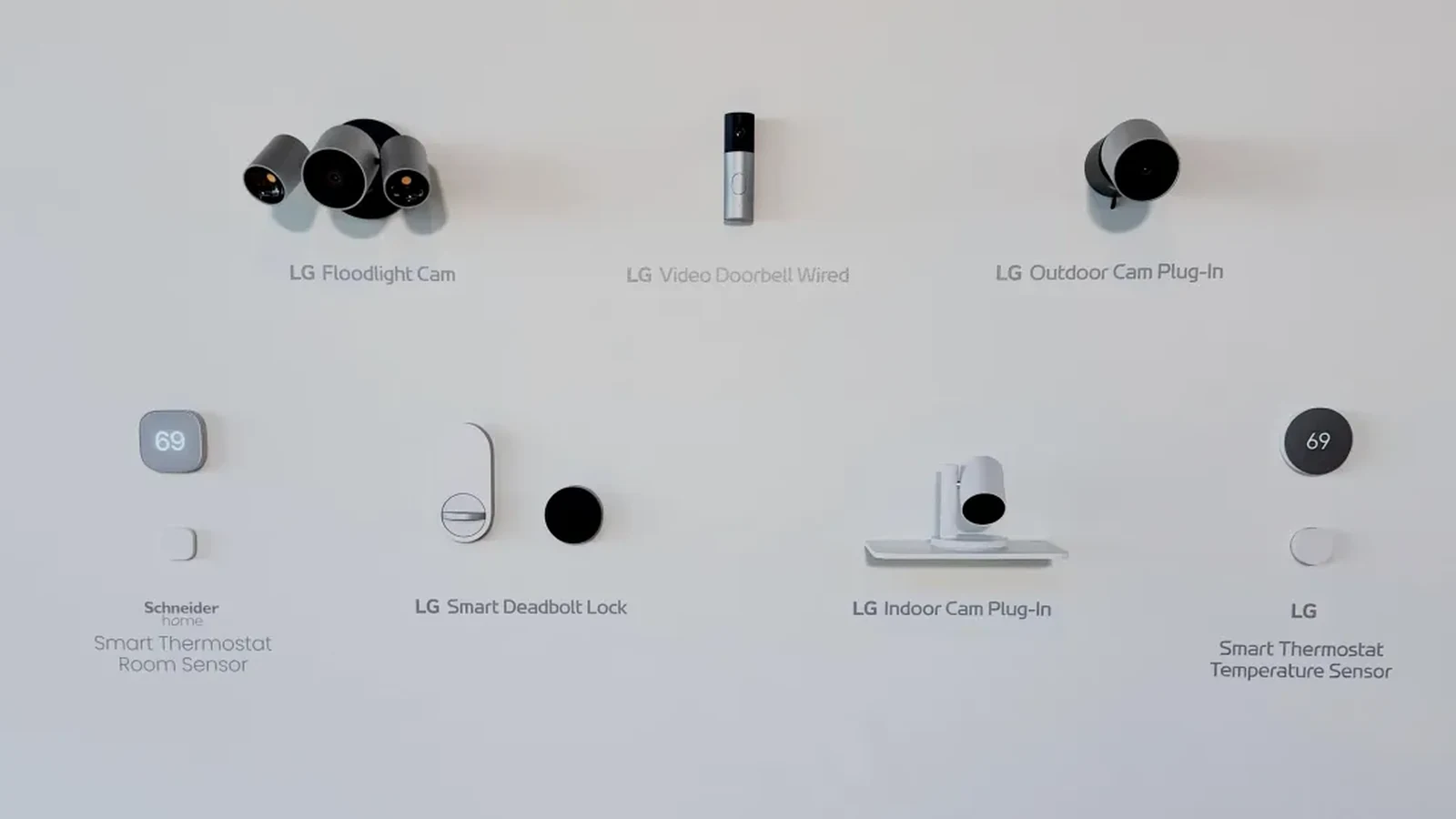
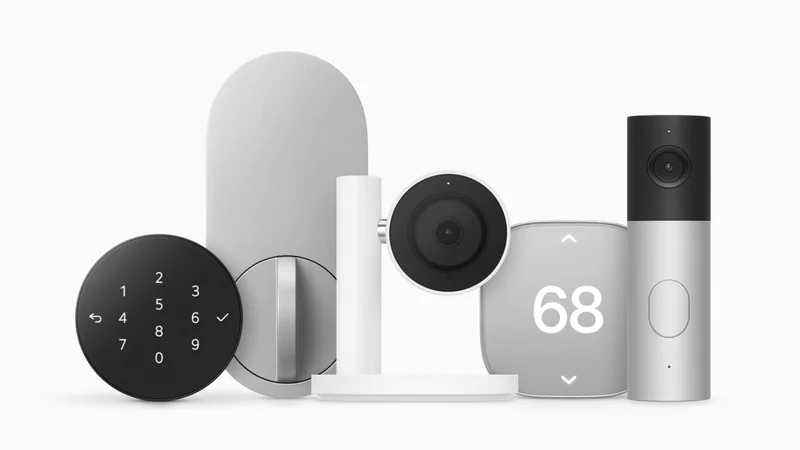
For more than a decade, Apple has taken a hands-off approach to smart home hardware, encouraging third-party manufacturers to build devices compatible with its platform. This week, that strategy shifted dramatically when [Apple launched its own] smart home hardware suite during an event in New York. The newly introduced Apple Home Collection consists of a comprehensive lineup of cameras, thermostats, environmental sensors, a smart door lock, and a video doorbell.
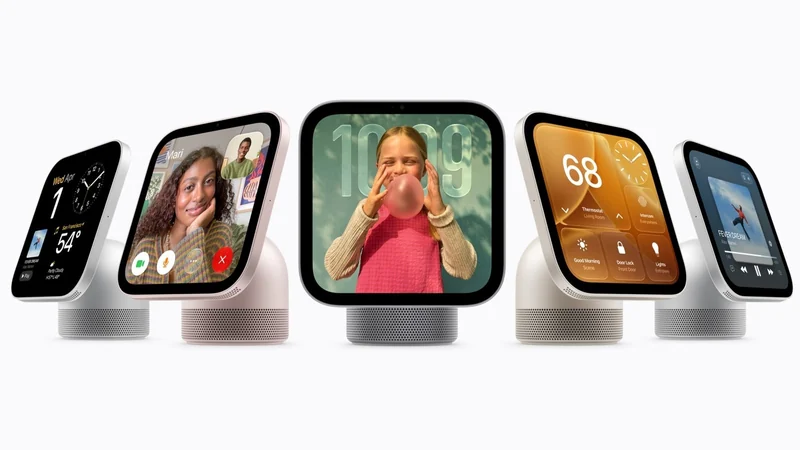
The collection was codeveloped alongside two major industry players: LG Electronics and Schneider Electric. These new devices arrive directly alongside [HomeView], Apple’s first-ever standalone smart display. This hardware expansion attempts to address a long-standing gap in Apple’s ecosystem, where competitors like Amazon and Google have long benefited from popular in-house brands such as Ring and Nest.
Why Apple Waited 12 Years
Despite twelve years of HomeKit availability, Apple’s smart home ecosystem has frequently felt underdeveloped compared to rival ecosystems. Explaining the timing behind the new hardware, Kaiann Drance, vice president of product marketing for home at Apple, pointed to two critical technological milestones that had to mature first: the [Matter] interoperability standard and generative AI capabilities.
According to Apple, the integration of Matter provided the necessary cross-platform foundation, while recent AI advancements enabled a [more conversational Siri voice assistant]. Drance noted that combining these technical elements allowed the company to deliver a dedicated home display experience that was previously impossible to execute properly.
Tackling Barriers to Smart Home Adoption
Market research from [research from Parks Associates.] indicates that the primary barriers preventing consumers from purchasing smart home devices include a lack of perceived value, privacy and security worries, technical complexity, and high costs. While Apple's new products maintain steep pricing starting at $200, the company is attempting to mitigate other friction points through tighter integration and robust data protection.
Elizabeth Parks, president and CMO at Parks Associates, observed that Apple commands a very loyal consumer base with a massive active user footprint. By offering simplified one-tap setup processes, unified control through the Apple Home application, and strict end-to-end data encryption where user information remains strictly private, Apple hopes to sway hesitant consumers toward its vision of connected living.
Collaborative Engineering and Design
Rather than manufacturing every component entirely on its own, Apple chose to collaborate closely with partners possessing deep domain expertise. LG brings extensive consumer electronics experience to the partnership, while Schneider Electric contributes robust knowledge in home building and architectural installations. Apple focused its efforts on injecting its trademark design aesthetic to ensure the devices blend seamlessly into residential environments alongside other Apple product families.
Furthermore, Apple is teaming up with ADT through physical Apple retail stores to assist customers with professional product installation. The overarching aim is to make the transition into smart home automation as straightforward as possible, eliminating the need for fragmented third-party utility applications or secondary user registrations.
Ecosystem Compatibility and Open Standards
Despite launching its own hardware collection, Apple stressed that it remains fully committed to supporting the broader open smart home ecosystem. The existing buffet of third-party accessories compatible with HomeKit and Matter will continue to function. The new hardware relies heavily on Thread connectivity for reliable mesh networking, and individual locks, thermostats, and sensors maintain Matter compliance.
Interestingly, the security cameras in the new collection utilize Apple’s proprietary HomeKit Secure Video standard rather than Matter. Apple executives explained that the Home Collection is designed to provide a tailored, curated option for consumers seeking guaranteed compatibility and a unified feature set, much like Google's approach with its Pixel hardware line for the Android ecosystem.
Sources
- The VergeWhy Apple is finally making its own smart home devices
Continue chronologically


Related entity coverage
Related stories
Apple introduces Home Collection smart home lineup
Apple announces a new Home Collection of cameras, thermostats, sensors, a doorbell, and a lock made with LG Electronics and Schneider Electric.
Apple unveils HomeView and new smart home devices
Apple introduced the HomeView smart home hub, refreshed Apple TV 4K and HomePod mini 2, plus new cameras, thermostats and a smart lock.
Apple Prepares Smart Home Event Featuring New Hub and OS
Apple's upcoming 'Welcome Home' event is expected to feature a new smart home hub, updated HomePod Mini and Apple TV, and a new software platform.
Apple to Reveal HomeView Smart Home Hub on Tuesday
Apple is reportedly set to announce its new Siri-powered HomeView smart home hub on Tuesday, alongside updates to the Apple TV and HomePod mini.