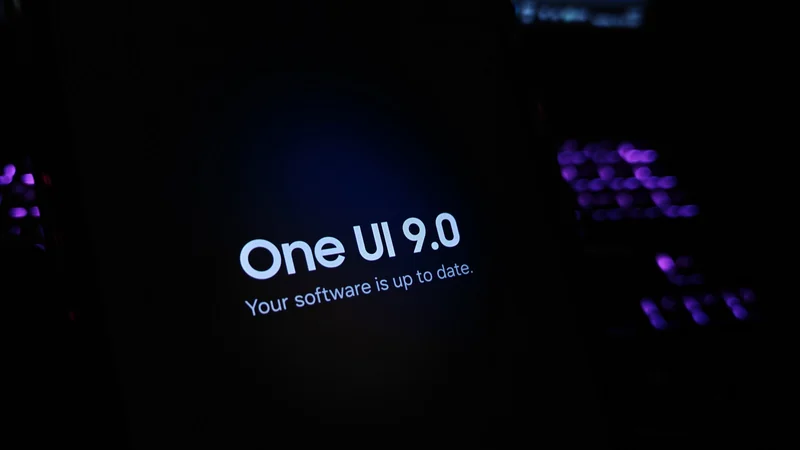
Samsung Galaxy Tab S9 Series Approaches Final Software Update
While modern Samsung tablets benefit from extended update policies, older generations are reaching the final stages of their major software lifecycles.
 Radwan AbdulhadiEditor and technology writer
The Evolution of Samsung Software Support
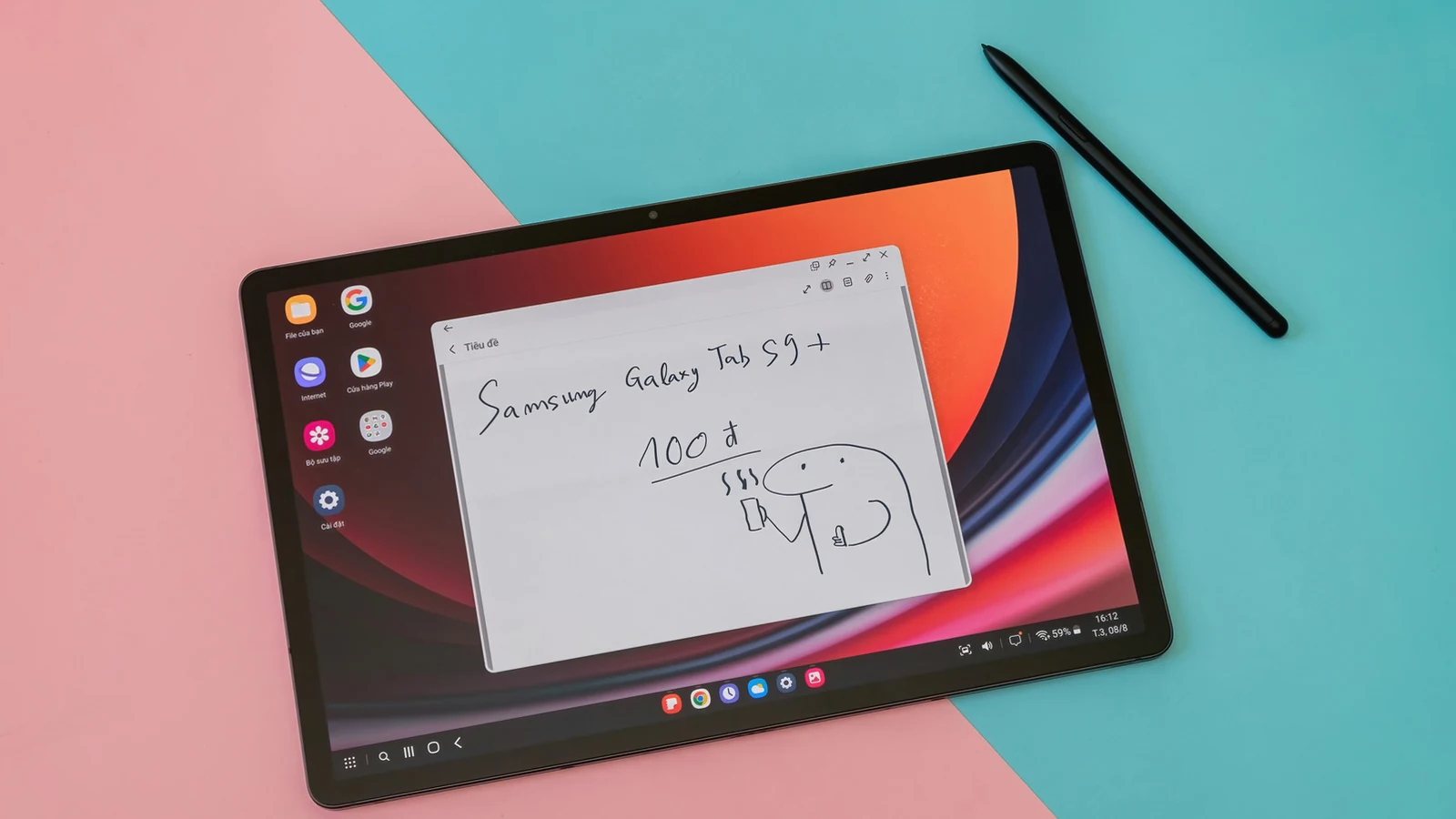
Historically, Samsung's reputation for timely software updates during the TouchWiz era left room for improvement. However, the brand has transformed its approach to delivering faster updates and providing longer software support for its devices. Today, Samsung stands as one of the few Android manufacturers offering a generously long software support policy, with recent hardware like its recent Galaxy Tab S12 Ultra benefiting from seven years of operating system and security updates.
Despite these modern advancements, older hardware launched prior to the updated policy does not enjoy the same longevity. Users rocking older devices must pay attention to the final software releases scheduled to hit their hardware soon, as support windows ultimately close.
Galaxy Tab S9 Series Nears Final Major Upgrade
The year 2026 marks the final release of major Android updates for the Galaxy Tab S9, S9+, S9 Ultra, S9 FE, and S9 FE+. These specific tablets are slated to receive the One UI 9 update, which is built on top of Android 17.
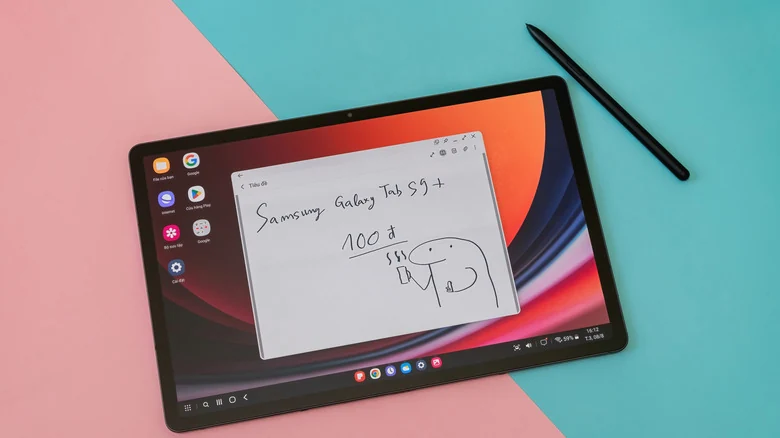
Originally arriving in 2023 running One UI 5.1 based on Android 13, the Galaxy Tab S9 series came with a manufacturer promise of four generations of major operating system updates and five years of security patches. Following their upcoming final OS upgrade, these devices are expected to continue receiving security updates until sometime in 2028.
Earlier Flagship and Budget Devices Reaching Limits
Other recent models have already reached milestones in their update lifecycles. The Galaxy Tab S8, S8+, and S8 Ultra—released in February 2022—have already received their final major operating system upgrade via One UI 8, which relies on Android 16. Security patches for this older flagship line are scheduled to continue until February 2027.
Similarly, Android 16 serves as the last major update for the Galaxy Tab A9 and A9+, which originally launched in October 2023. Although slightly newer than some competitors, the budget-oriented Galaxy Tab A9 series has reached its final major OS upgrade ceiling, though it will maintain an additional year of security updates.
Extended Support for Newer Samsung Hardware
Fortunately, consumers purchasing newer hardware benefit from vastly extended software support cycles. Samsung officially kicked off its seven-year software update policy with the Galaxy Tab S10 series launched in 2024. Following generations, including the Galaxy Tab S11 and S12 models, continue to offer this exact same commitment.
In a notable shift for entry-level hardware, even budget-focused entries like the Galaxy Tab A11 and A11+ released in 2025 qualify for seven years of Android and security updates. Buyers exploring Samsung's current retail catalog can rest assured that software updates will not drop anytime soon.
Rugged Tablets and Update Rollout Discrepancies
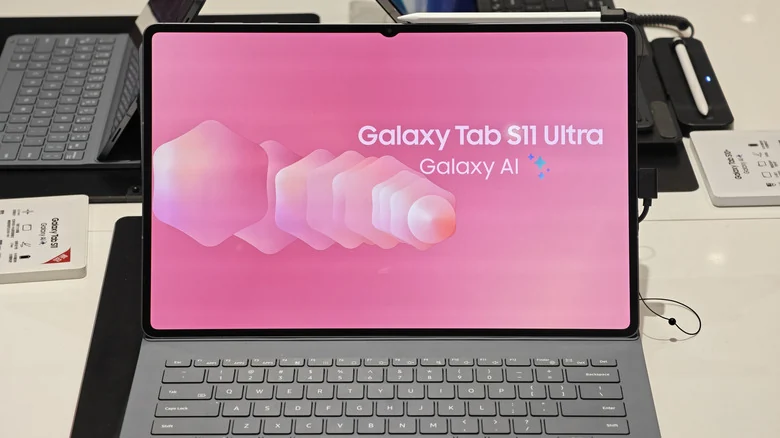
Alongside consumer hardware, Samsung also sells rugged tablets tailored for business and enterprise customers. As part of this enterprise focus, Samsung also sells rugged tablets under its specialized Galaxy Tab Active lineup.
These rugged devices operate under distinct update policies. The Galaxy Tab Active5 debuted in 2024 carrying a four-year commitment to Android OS updates paired with five years of security patches. Having shipped initially with Android 14, the hardware is projected to support updates through Android 18, with security maintenance extending into 2029.
Checking for Available Updates
Users should keep in mind that operating system updates do not roll out to every device simultaneously. Schedule timelines fluctuate heavily based on the exact tablet model and geographic region. If an expected One UI release fails to show up immediately on a device, it simply means the rollout is still progressing.
Owners can manually verify the status of pending patches by opening the device settings menu. Navigating to Settings, then Software update, and selecting Download and install allows users to check for active updates. If a package is ready, selecting Install now applies the software directly.
Sources
- EngadgetThese Samsung Galaxy tablets are in their last year of software support
Continue chronologically
Related stories
Samsung Software Updates in 2026: Which Devices Still Get Them?
Discover which Samsung smartphones, tablets, and wearables still receive software updates in 2026, and learn when older device support ends.
Samsung Galaxy Auto Blocker: Features and Controls Explained
Explore Samsung's built-in Auto Blocker security feature on Galaxy phones, what it protects against, how to toggle it, and its trade-offs.
Samsung One UI features that set it apart on Android
Explore exclusive Samsung One UI software features like Multi Control, Separate App Sound, Music Share, and Good Lock that enhance Android functionality.
Samsung Probably Isn't Rebranding One UI as Galaxy OS
Recent rumors suggested Samsung might replace One UI with Galaxy OS, but a closer look indicates the branding is likely here to stay.