Petra Power Modernizes Energy for Data Centers and Defense
As the technology industry faces a growing electricity crunch driven by artificial intelligence, startup Petra Power is pitching solid oxide fuel cells as a more efficient, cost-effective power alternative.
 Radwan AbdulhadiEditor and technology writer
Targeting Modern Energy Challenges
As artificial intelligence systems consume increasing amounts of energy, the technology sector faces an ongoing hunt for efficient and cost-effective power sources. Among the companies stepping up to address this challenge is Petra Power , a startup founded in 2017 that specializes in solid oxide fuel cells.
The company produces ceramic devices capable of converting fuel sources, such as natural gas, directly into electric power without the traditional process of burning. According to the startup, these fuel cells offer a more environmentally friendly and efficient way to operate power-hungry infrastructure like data centers and large vehicles.
How Solid Oxide Fuel Cells Work
Traditional power generation relies heavily on combustion, a multi-step process where fuel creates explosions that generate heat, produce motion, and ultimately drive an electromotive force to create electricity. Founder Aaron Goodman noted that this traditional approach suffers from significant energy loss at each phase, resulting in a low-efficiency system.
In contrast, Petra's fuel cells are designed to skip most of these mechanical steps. By stripping electrons directly off the fuel, the system generates electricity in a single step with virtually no loss, yielding much higher overall efficiency. Furthermore, Goodman explained that the technology features a significantly smaller physical footprint because the units are more compact and lightweight compared to conventional power equipment.
Focusing on Data Centers and Neoclouds
Although the product offers an innovative approach to power generation, Petra's customer base is still in an emerging phase. The company is actively courting two different markets: commercial infrastructure providers and the defense sector.
While hyperscalers represent the ideal customer profile due to their massive power consumption, Petra is currently working directly with neoclouds and other infrastructure providers positioned slightly downstream from the largest cloud giants. Goodman indicated that the target for initial customer deployment is set for 2028, with full-scale production anticipated to follow in 2029.
Applications for Defense Vehicles
Beyond commercial cloud and IT infrastructure, Petra is exploring major opportunities within the defense sector. The startup's technical concept involves supplying fuel cells to provide auxiliary power for land vehicles, ensuring a reliable electricity supply for onboard equipment even when the primary engine is turned off.
Goodman clarified that the fuel cell technology has not yet been deployed on a live defense vehicle. Instead, the hardware remains in an active testing phase while government evaluators determine whether to advance the program.
Company Growth and Expansion
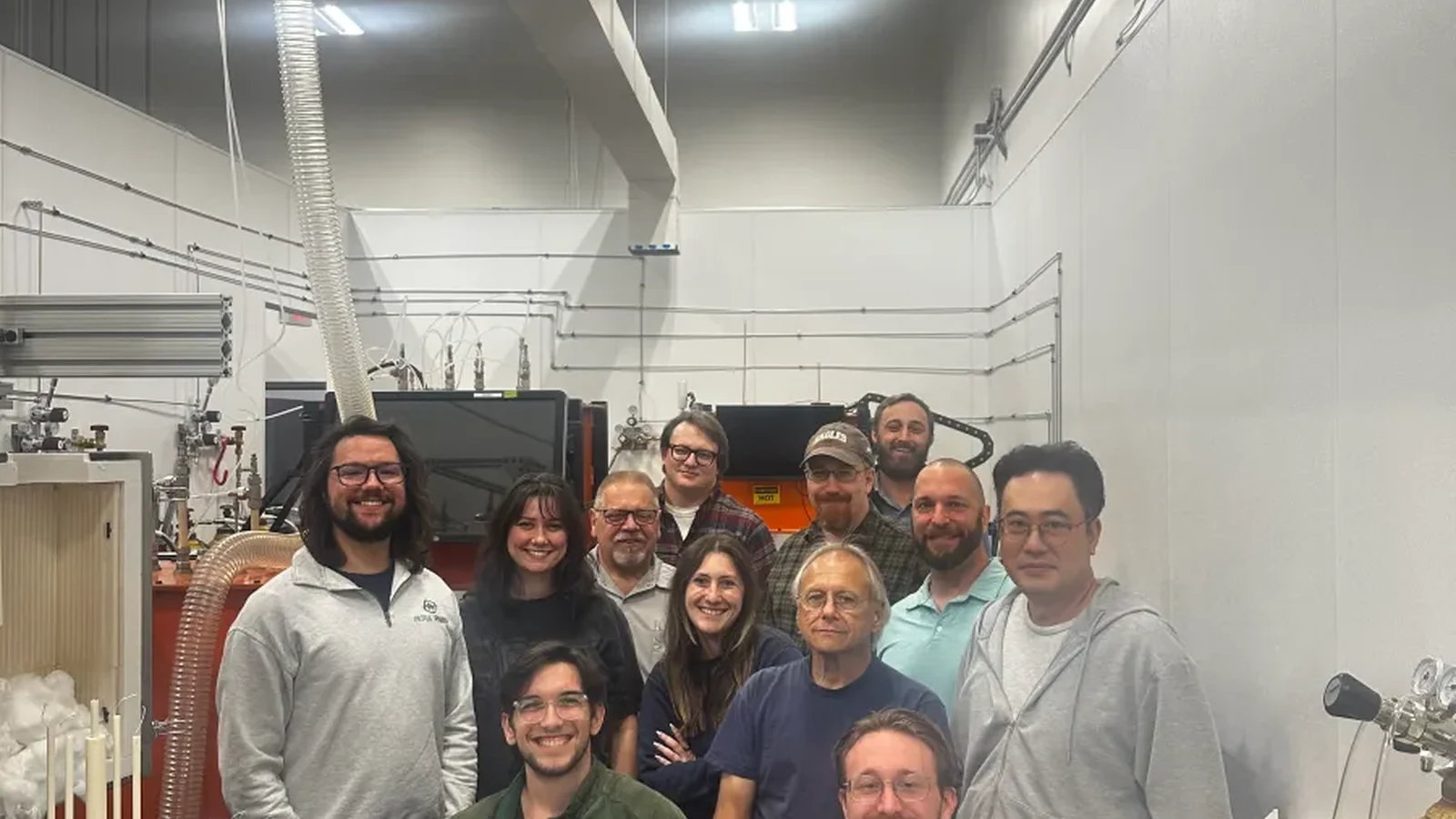
Operating as a lean team of approximately 15 people, Petra Power is steadily scaling its operations. The startup has already secured nearly $9 million in contracts from the Department of Defense, with expectations to expand that relationship significantly in the coming years as testing progresses.
Highlighting its growing industry visibility, Petra Power was selected for the Startup Battlefield 200 cohort. The recognition places the firm among a curated group of emerging companies featured at major industry events.
Sources
- TechCrunchPetra Power looks to modernize energy for data centers and defense vehicles
Continue chronologically

Related stories
Amazon and Microsoft Drop Data Center NDAs
Amazon follows Microsoft's lead to stop using NDAs in local government negotiations over data centers amid growing community pushback.

Apple Hints at Third-Party AI Revenue Opportunities
Apple discussed potential revenue opportunities through third-party apps and AI during its earnings call amid regulatory and gaming pressures.

Squarespace Lays Off 19% of Workforce in Restructuring
Website builder Squarespace is cutting about 19% of its global workforce, affecting around 300 employees as part of an organizational restructuring.

Tech CEOs Face Criticism Over Tone-Deaf AI Comments
Tech industry leaders face growing societal skepticism as high-profile executives promote AI tools for parenting, dating, and human relationships.