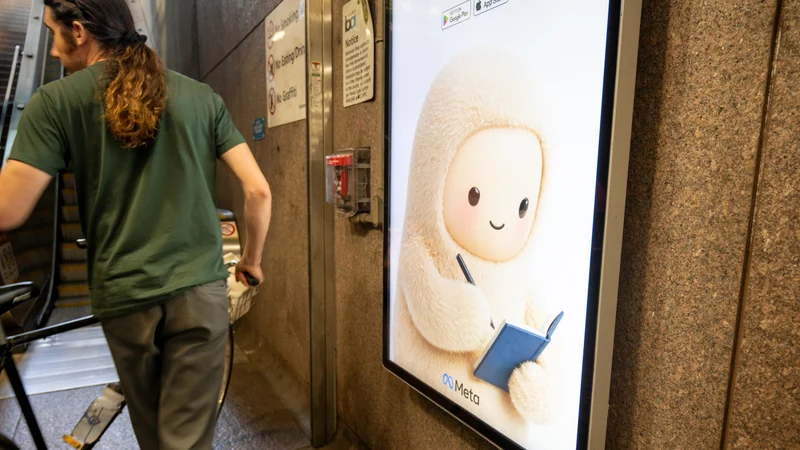
Meta Re-Enables Muse Sharing After Security Fix
Meta has restored the ability to share content from its Muse AI agent after temporarily pausing the feature to address security concerns raised by researchers.
 Radwan AbdulhadiEditor and technology writer
Meta Restores Muse Sharing Following Security Pause
Meta has re-enabled Muse sharing after security researchers had reported that public conversation links could be easy to find. The temporary pause on the feature occurred after researchers discovered that web addresses for shared conversations from Muse were named after a conversation’s title and written into public DNS, as reported by <a href="https://blog.claroc.io/ghostshares-muse-passive-dns/#_">earlier this week</a>.
The vulnerability allowed investigators to locate sensitive data. The researchers said they had been able to find Muse pages like a marketing company’s internal revenue review and a small business owner’s loan application during their examination of the platform's public sharing mechanism. Further details are available from said Tuesday in the original source material.
Ars Technica Inquiry Prompted Feature Suspension
The pause on the sharing functionality came swiftly after media inquiries into the security gap. Ars Technica <a href="https://arstechnica.com/security/2026/10/meta-muse-exposes-users-personal-and-business-secrets-when-they-share-conversations/?utm_source=bsky&utm_medium=social">said Tuesday</a> that Meta paused the sharing feature after it reached out about what was going on with the platform's discoverable public links.
Security analysts noted that the predictable nature of the URLs created an unintentional exposure risk for users who assumed their shared links were obscure or private. This led to immediate action from the development team behind <a href="https://www.theverge.com/ai-artificial-intelligence/1002671/meta-muse-ai">All the latest news on Meta’s cute, creepy Muse AI agent</a> as they scrambled to address the underlying architectural flaw.
Meta Confirms Fix and New URLs for Artifacts
In a post on social media, company leadership confirmed that the issue had been fully resolved. In a post today on X, Meta’s David Singleton <a href="https://x.com/dps/status/2113317986635485559">says that</a> “The underlying issue is now fixed, and sharing is back on.”
According to Singleton, the issue was specifically with URLs for shared Muse artifacts, which <a href="https://www.meta.com/help/superintelligence/2074655449783957/?srsltid=AYCX9vL4xgdI6mySVnKk7ptKz3Z9CM2Q2KjDiJ4jHa-3ceKZfMYQuNeQ">Meta says</a> are things like documents and images inside Muse, and wasn’t a flaw with general chat sharing.
Impact on Previously Shared Links and User Data
Users who utilized the sharing feature prior to the patch will notice changes to how their links behave. “If you shared an artifact before the fix: it now has a new URL,” Singleton says. “Anyone visiting the old link will see a note asking them to get the new one from you. We know that’s a pain, and we’re sorry for the disruption — but protecting user data has to come first.”
The incident highlights the ongoing challenges major technology companies face when rolling out collaborative features for artificial intelligence agents. As adoption scales, ensuring that user documents, images, and workspace artifacts remain secure against passive DNS discovery and automated enumeration continues to be a critical priority for engineering teams across the industry.
Sources
- The VergeMeta turns Muse sharing back on
Continue chronologically


Related entity coverage
Related stories
Meta’s Muse draws scrutiny over friends’ private data
Meta’s Muse AI assistant is raising privacy concerns after reports that users may expose friends’ messages, contacts and other sensitive data.

Meta Defends Adult Content Generation on Muse AI Agent
Meta defends allowing its Muse AI agent to generate explicit adult content and sexting, drawing criticism from consumer advocates and privacy experts.
OnlyFans Creators Frustrated by Meta's AI Sexting Rules
Adult content creators are raising concerns over Meta allowing its AI agent Muse to engage in explicit sexting while restricting human users.

Meta's Mark Zuckerberg Says Muse Enters New Monetization Phase
Meta CEO Mark Zuckerberg expects the Muse personal AI agent to generate more revenue per user than the company's existing apps.