YouTuber Recreates 1996 PC to Escape Modern AI Tech Market
Weary of modern tech market trends, graphics card shortages, and pervasive artificial intelligence, technology YouTuber TrashBench has built a nostalgic 1996 PC replica.
 Radwan AbdulhadiEditor and technology writer
Escaping the Modern Tech Market Through Retro Nostalgia
Frustration with the contemporary tech market has prompted many enthusiasts to look backward rather than forward. Exhaustion surrounding modern hardware availability, escalating component prices, and the relentless integration of artificial intelligence has pushed individuals to seek simpler times. Detailed reports from outlets like Tom's Hardware highlight how this weariness led technology YouTuber TrashBench to embark on a unique retro building project.
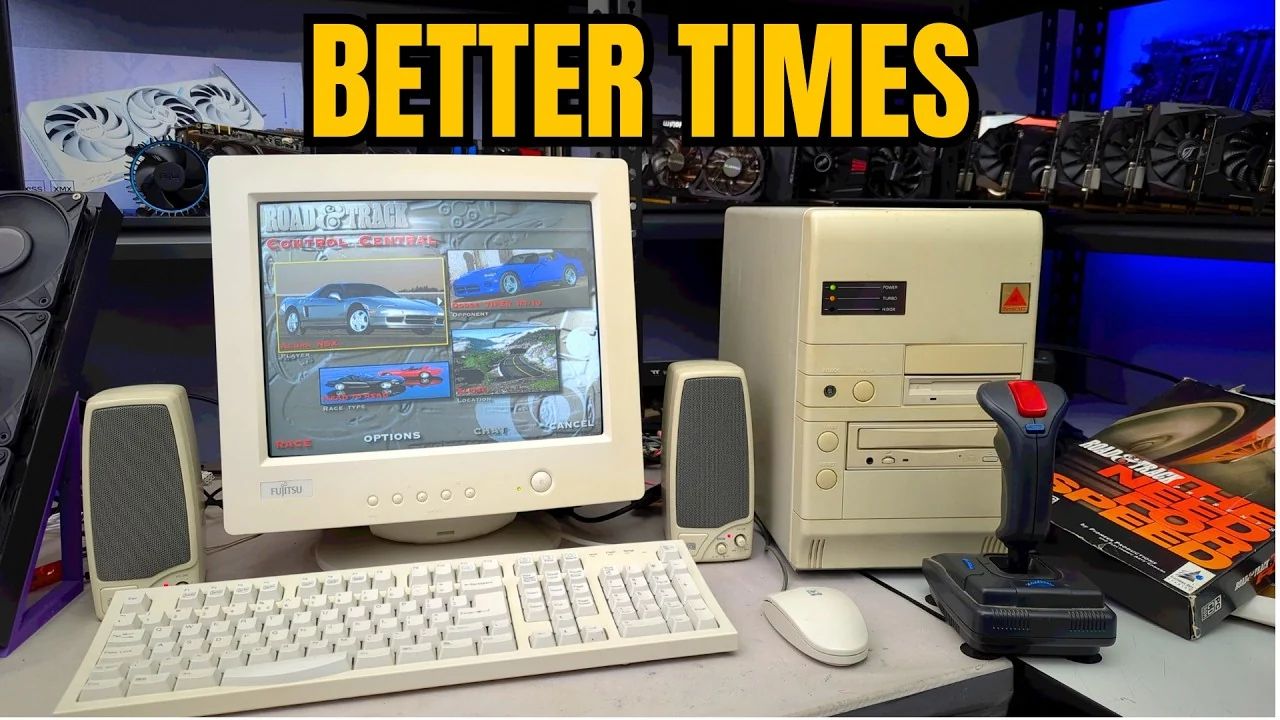
Rather than chasing contemporary graphics cards or high-capacity storage drives, the creator decided to recreate a facsimile of the first computer his parents bought him in 1996. That original machine introduced him to personal computers and allowed him to play classic titles like The Need for Speed: Special Edition, sparking a lifelong passion for technology.
Core Components of the 1996 Nostalgia Build
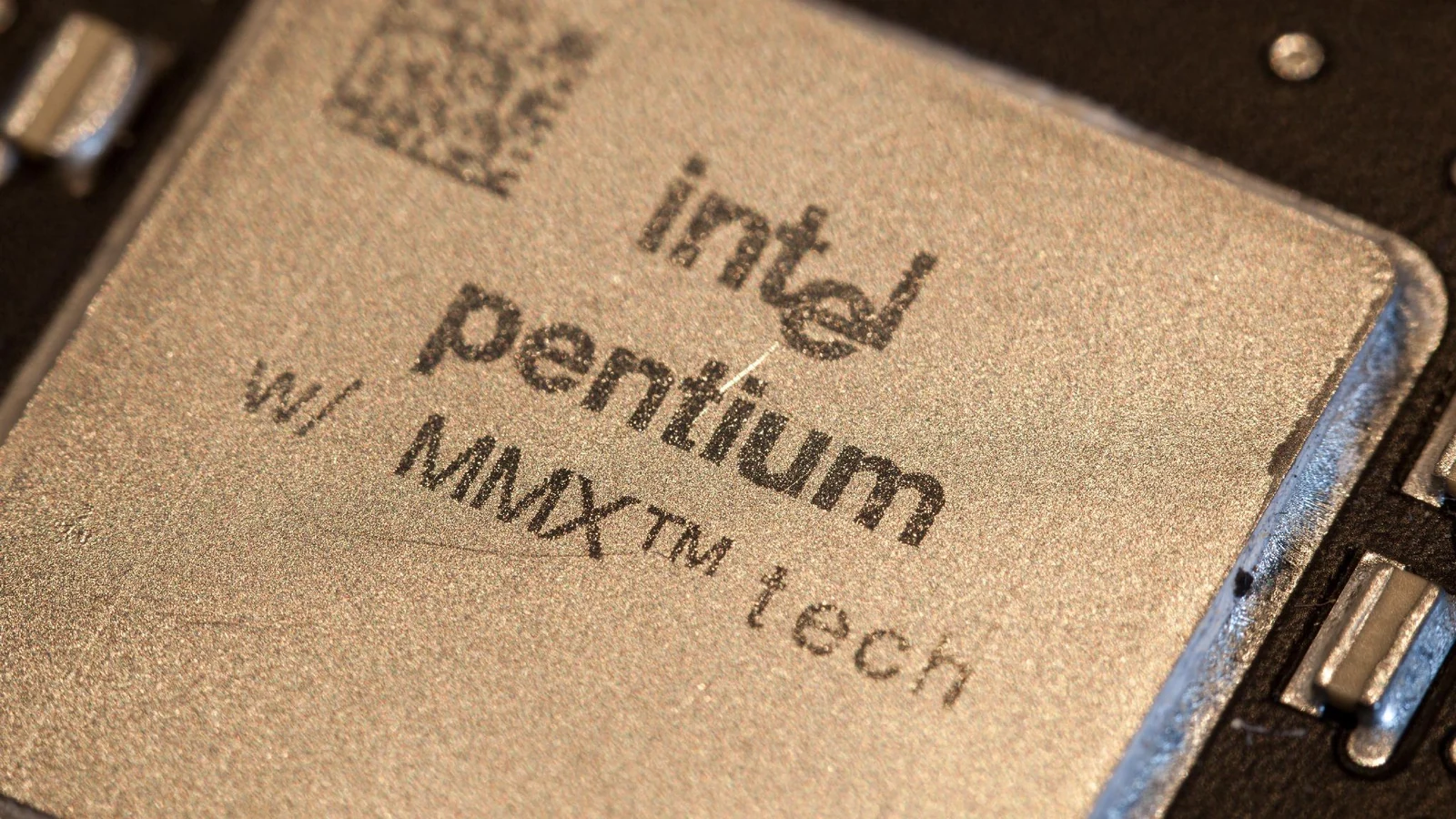
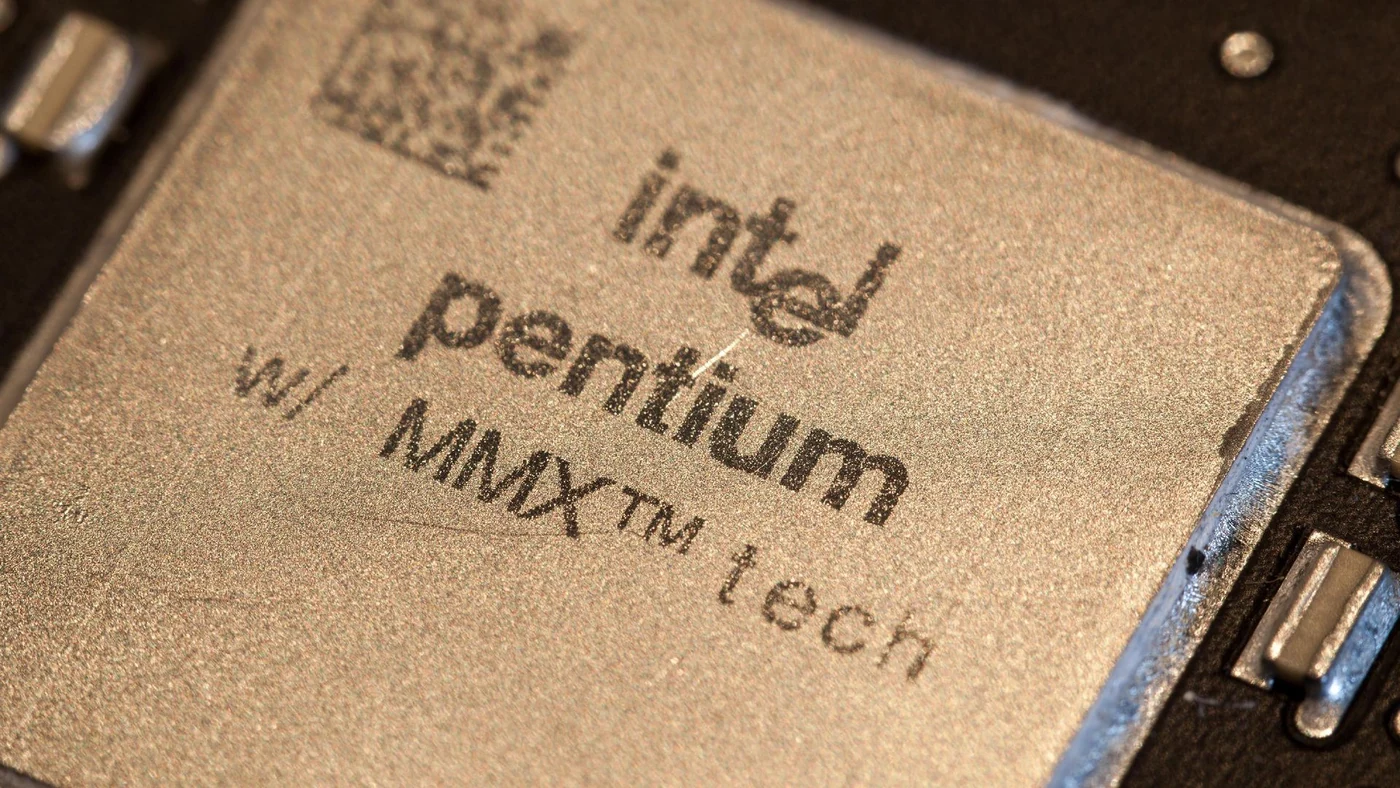
Putting together a mid-1990s system required tracking down vintage hardware components with distinct operational characteristics. The heart of the build is an Intel Pentium MMX 200 MHz CPU mounted on an Epox Pronix EP-P55-BT motherboard. This particular motherboard featured a convenient ZIF socket and sat right at the architectural transition point between SIMM and DIMM memory slots, accommodating two slots of each type.
For memory, the system was equipped with 32 MB of RAM, which represented a generous and capable amount for computing standards in 1996. Interestingly, the processor generated so little heat that a basic 40-millimeter fan provided sufficient cooling, bypassing the need for modern multi-fan liquid cooling loops or expansive case ventilation setups.
Navigating Motherboard Jumpers and Modest Graphics
Recreating a mid-90s PC also meant confronting the tedious manual configurations of the era before automated detection became standard. Setting the motherboard jumpers incorrectly could permanently burn out a CPU, turning the assembly process into a careful balancing act without automated safety nets.
Graphics performance relied initially on an S3 Trio32 card, a modest component that lacked native 3D rendering capabilities entirely. Because dedicated 3D accelerator cards were just starting to emerge, the creator eventually upgraded to a Matrox Mystique 3D card to better handle early three-dimensional gaming environments.
Storage, Sound, and Retro Gaming Tests
Storage duties were handled by a Western Digital Caviar 22100 hard drive offering two gigabytes of capacity. Due to hardware limitations of the era and restrictions within early BIOS and disk controller addressing spaces, the system later required jumper adjustments when upgraded to accommodate larger drive sizes.
The build was completed with a standard CD-ROM drive and an original Sound Blaster 16 sound card. To properly experience software like Microsoft Flight Simulator 98, the builder paired the machine with a beloved Quickshot QS-123 joystick, completing an authentic blast from the past that successfully bypassed modern tech market headaches.
Sources
- Tom's HardwareYouTuber escapes the modern AI tech market by recreating his 1996 PC
Continue chronologically


Related stories
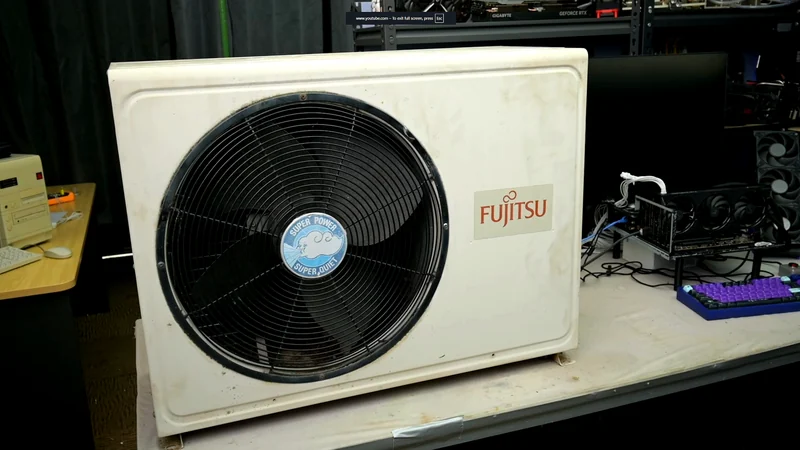
TrashBench Cools PC With Scrapped AC Radiator
Hardware tester TrashBench repurposes a 4-kW air conditioner radiator for a custom water-cooling loop, achieving striking temperatures on an Nvidia RTX 3080.
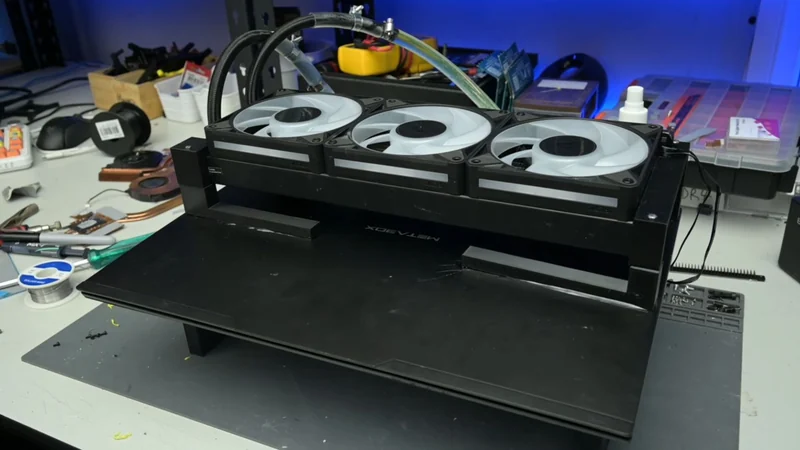
Modder Straps 360mm AIO to Laptop to Drop Temps Below 40°C
A hardware modder has successfully attached a 360mm AIO radiator to a laptop, dropping temperatures below 40°C and boosting performance.
Microsoft adds Intel APX support to Windows 11 Insider
Microsoft is preparing for future processors by introducing an early Advanced Performance Extensions setting for Windows 11 Insiders.

Modder Moves GPU to Unexpected Place for Cooler Hotspot
A hardware modder has challenged decades of PC building convention by repositioning a graphics card, achieving significant drops in temperatures.