Wikipedia Operator Warns Bad AI Copyright Ruling Threatens Web
The Wikimedia Foundation has filed an amicus brief in landmark artificial intelligence copyright lawsuits, cautioning that an overly binary legal ruling could jeopardize the open web and the sustainability of free knowledge.
 Radwan AbdulhadiEditor and technology writer
Staking Out a Middle Ground
The Wikimedia Foundation is staking out a middle ground in a group of landmark AI copyright cases, pushing courts to legally protect large language models (LLMs) training on copyrighted work — but not chatbots regurgitating that work to users. An overly black-and-white ruling, it says, could either deprive Wikipedians of useful AI-based tools or endanger the open web.
In an amicus brief filed Friday, the nonprofit behind Wikipedia weighed in on a set of lawsuits pitting publishers including The New York Times against OpenAI and Microsoft, taking neither side. Wikimedia expressed concern that the parties' positions push for overbroad and simplified applications of the fair use doctrine around AI. A nuance-free victory for publishers, it fears, could let copyright holders gatekeep even innovative and transformative uses of their work, while an outright victory for AI companies could greenlight the disregard of licensing terms and fragment the flow of knowledge.
Dual Pressures on Wikipedia
The stakes of the ruling could be existential for Wikipedia. Wikimedia websites have become one of the most critical sources of data for all artificial intelligence and machine learning training, according to the organization's legal filing. At the same time, services siphon away visitors and undermine the communities that maintain these sites.
Furthermore, Wikimedia argues that AI services are violating copyright by reproducing text licensed freely under Creative Commons without adhering to the terms of that license. Despite these challenges, large language models remain useful to Wikipedia editors by helping fight vandalism, detect copyright violations and doxxing, and look for articles that need improvement.
Legal Arguments and Proposed Compromises
The New York Times argues for a more expansive definition of fair use as it applies to LLMs. It alleges that OpenAI infringed on its copyright by scraping its website to build training datasets. Meanwhile, OpenAI and Microsoft both contend that using LLMs constitutes fair use. OpenAI has stated that regurgitating work is a rare bug, and in a September filing, Microsoft cited expert analysis showing that Copilot rarely reproduces full sentences from news content used to ground the model.
Wikimedia proposes a compromise where scraping websites and pre-training LLMs without a license should constitute fair use when they provide something new and different from the original sources. However, if models pull copies of material in response to user queries and deliver them while supplanting readers' engagement with original works, that output should require a license.
Defending Free and Open Knowledge
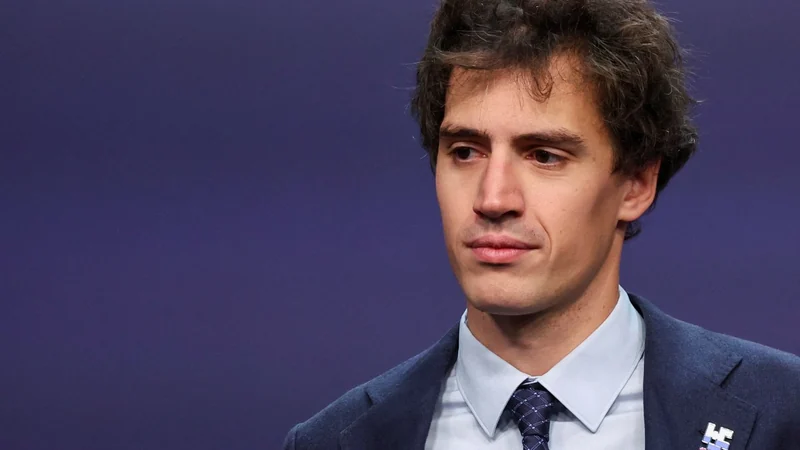
Stephen LaPorte, general counsel for the Wikimedia Foundation, stated that a ruling failing to apply fair use principles carefully could threaten the sustainability of free knowledge and stifle open-source technologies. Wikimedia CEO Bernadette Meehan echoed these remarks, noting that expanding access to knowledge through AI must respect the people, contributors, and communities that make reliable knowledge possible.
OpenAI has previously outlined its approach to digital journalism and partnerships, while publishers continue to press courts to define clear legal boundaries for automated training datasets and content generation. As the legal battles progress, the balance struck by the judiciary will heavily influence the future ecosystem of open digital information.
Sources
- The VergeWikipedia’s operator says a bad AI copyright ruling could threaten the open web
Continue chronologically

Related entity coverage
Related stories
Wikimedia Foundation Weighs In On NYT v. OpenAI Lawsuit
The Wikimedia Foundation has filed an amicus brief in The New York Times' copyright case against OpenAI and Microsoft, urging a balanced legal approach.
Microsoft filings call AI scraping ‘largest theft’
Newly unsealed filings quote Microsoft and OpenAI executives warning that AI scraping threatened publishers and could undermine fair-use claims.
USA Today Sues OpenAI for Over $250M Over AI Training
USA Today Co. and multiple local newspapers sue OpenAI for over $250 million, alleging unauthorized copyright use of hundreds of thousands of articles.

OpenAI Highlights Court Briefs Supporting Fair Use in AI
OpenAI shares excerpts from court briefs by creators, academics, and legal experts highlighting how fair use supports AI training and innovation.