Why Japan Finally Said Goodbye to Traditional Flip Phones
Traditional clamshell devices endured in Japan long after fading in other global markets, but an evolving technological landscape is bringing the era of the gara-kei to a close.
 Radwan AbdulhadiEditor and technology writer
The Endurance of Japan's Gara-Kei Ecosystem
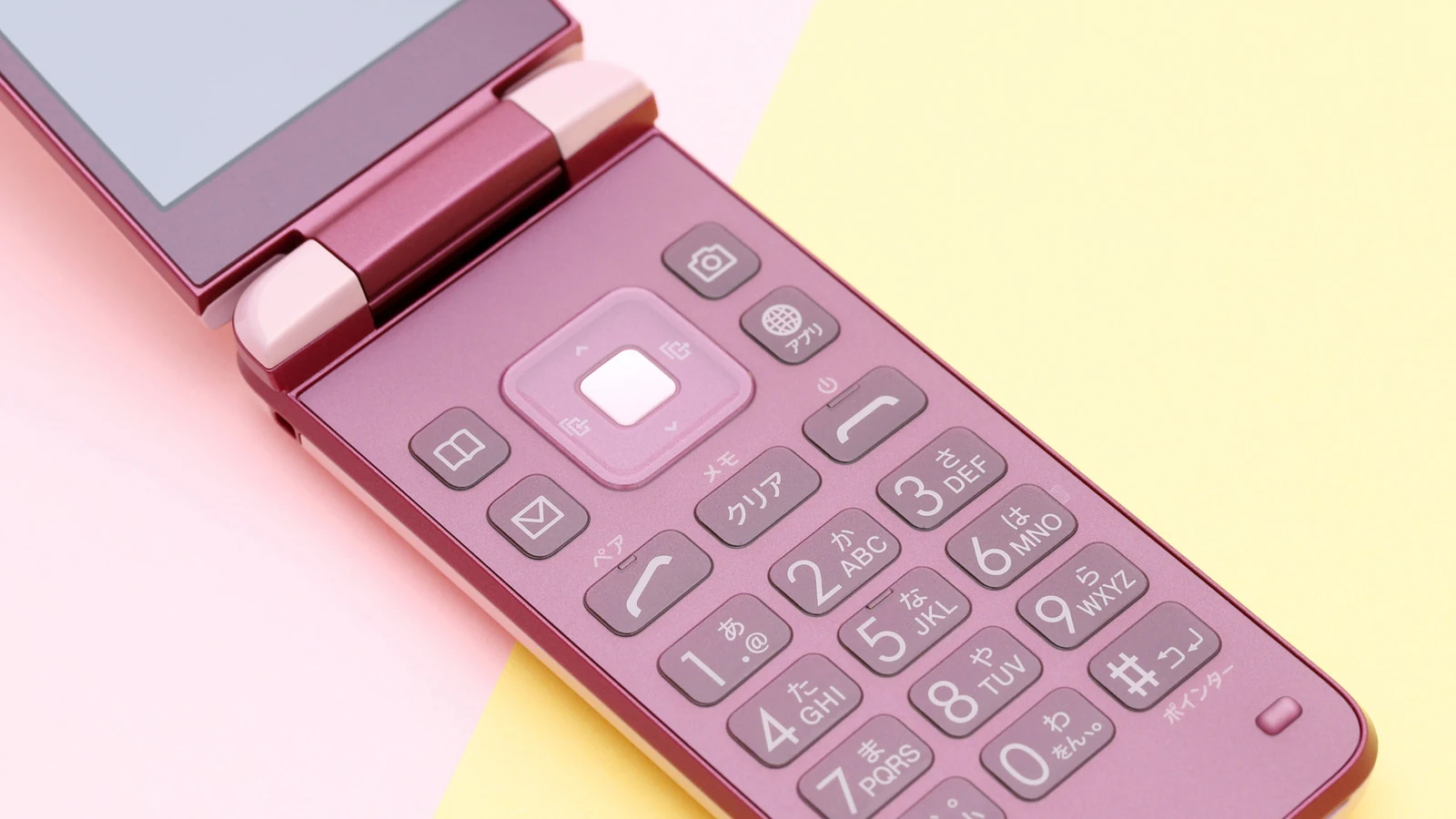
While flip phones largely vanished from public view in the United States and other Western regions years ago, Japan maintained a uniquely isolated technology ecosystem that kept traditional clamshells popular for decades.
These devices, commonly referred to as gara-kei or Galapagos keitai, featured physical keyboards and durable builds that refused to fade away even as big-screened smartphones took over the global market, as detailed in reports regarding gara-kei history.
Unique Features and Cultural Integration
The longevity of Japan's feature phones was closely tied to a design philosophy that went far beyond basic voice calls. Many of these handsets offered vibrant colorways, tactile keypads, lanyard holes for customized keychains, and specialized capabilities built specifically for the local market.
Long before technologies like Apple's NameDrop were introduced, these devices could share contact details via infrared transmitters and tune into One-Seg television broadcasts. Furthermore, embedded payment chips allowed users to seamlessly pay for groceries and train rides, making cheap contracts for these handsets an integral part of daily life in Japan.
Shifting Consumer Habits and Market Data
Consumer preferences have shifted dramatically over recent years. According to a Docomo survey, smartphones accounted for 90 percent of mobile phone ownership in Japan by 2021, and that figure climbed to 98 percent by 2025.
Research from the MM Research Institute indicates that feature phone shipments dropped by over 25 percent, falling below 400,000 units during the first half of fiscal year 2025. This steady decline highlights how rapidly the domestic market has embraced modern pocket-sized computers.
The 3G Network Shutdown and Infrastructure Changes
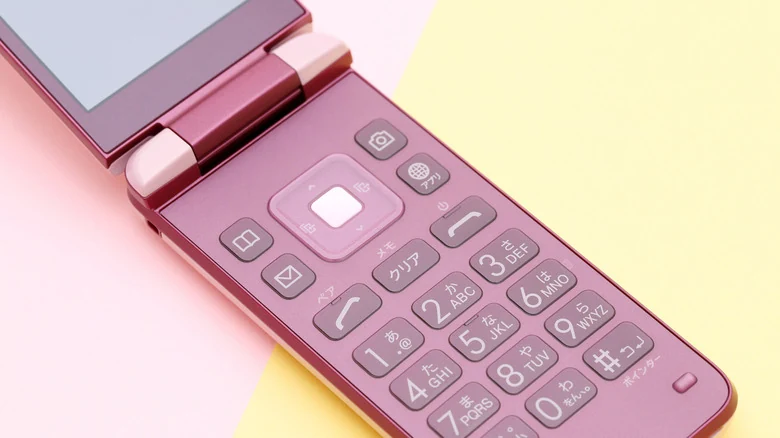
The decline of the gara-kei is poised to accelerate rapidly following infrastructure updates across the country's major telecommunications providers. After au and SoftBank wound down their respective 3G services in 2022 and 2024, NTT Docomo officially ended the country's remaining 3G data services.
Sunset policies affecting mobile internet services like i-mode impact hundreds of phone models and hundreds of thousands of users across the country. Beyond mobile handsets, these sweeping network changes also impact auxiliary infrastructure such as certain vending machines and car navigation systems.
Demographic Shifts and the Transition to Smartphones
Demographic factors also play a substantial role in shaping Japan's modern mobile landscape. With an aging population where a significant portion is aged 65 or above, the country relies heavily on a longevity economy that prioritizes accessibility and senior support.
To improve overall tech literacy and keep citizens connected, local initiatives have occasionally distributed modern devices to older demographics. Meanwhile, telecommunications providers like Docomo are actively assisting the migration by offering in-store smartphone classrooms that teach seniors how to navigate touchscreen controls and web browsing, effectively marking the closing chapter for Japan's legendary feature phone generation.
Sources
- EngadgetWhy Japan said goodbye to traditional flip phones
Continue chronologically

Related stories
Samsung Hosts Silicon Valley Future Wireless Summit 2026
Samsung Electronics brings together global telecommunications leaders at the Silicon Valley Future Wireless Summit 2026 to focus on AI-native 6G networks.

Apple Cannot Predict When iPhone Duo Supply Will Balance
Apple CEO John Ternus says the company cannot predict when iPhone Duo supply and demand will balance amid ongoing supply chain constraints.
How to Fix an Unresponsive Phone Screen
Learn practical troubleshooting steps to fix an unresponsive phone screen, from cleaning and force-restarting to screen mirroring and safe mode checks.
Why iPhone Duo Buyers Should Avoid Skipping AppleCare
Discover why purchasing AppleCare+ or AppleCare One is a virtual necessity for the costly iPhone Duo to protect against high repair fees.