
US Navy Uses Xbox-Style Controllers for Anti-Drone Lasers
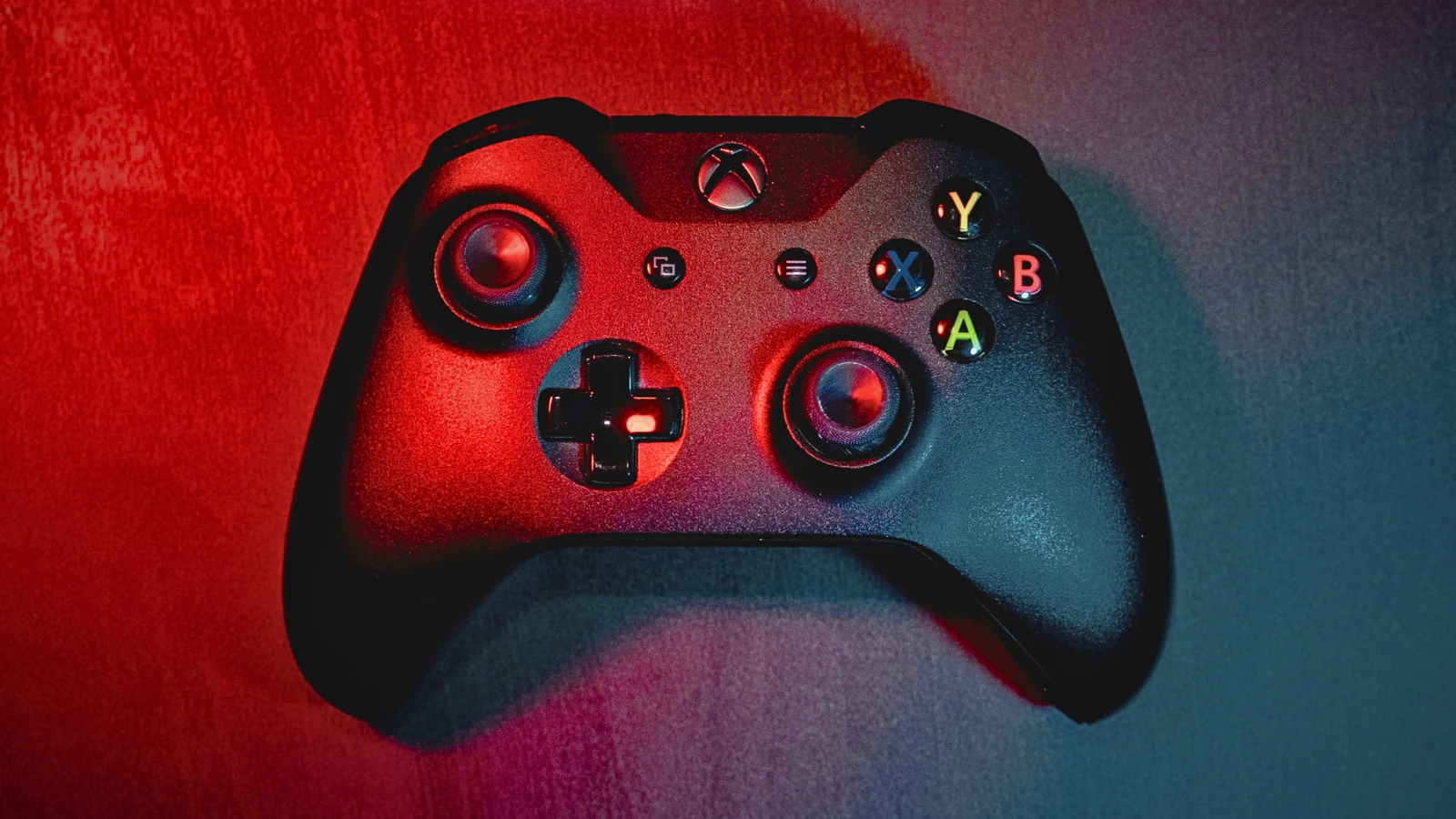
The U.S. Navy has integrated familiar Xbox-style controllers into its shipboard anti-drone laser weapon systems to streamline targeting and operator training.
 Radwan AbdulhadiEditor and technology writer
Familiar Interfaces for Military Hardware
The U.S. Navy has adopted Xbox-style controllers to operate its ship-deployed anti-drone laser systems. According to details highlighted by [Tom's Hardware](https://www.tomshardware.com/peripherals/controllers-gamepads/us-navy-uses-xbox-style-controllers-to-fire-anti-drone-lasers-deployed-on-ships-usd13-per-shot-laser-weapon-deployed-in-the-strait-of-hormuz-uses-a-familiar-interface-instead-of-a-custom-control-system), these handheld controllers deliver rapid user inputs and targeting precision, making them well-suited for controlling sophisticated naval weapon platforms.
By utilizing a familiar layout instead of custom-built hardware control systems, the Navy allows sailors to easily transition and adapt to the controls during training. While specific operational details—such as whether the controllers are wired or wireless, or manufactured by [Microsoft](https://www.tomshardware.com/tag/microsoft) or an independent contractor—remain undisclosed, the approach highlights a growing preference for ergonomic, off-the-shelf design philosophy in critical military environments.
Active Deployment in the Strait of Hormuz
These weapon platforms are not merely experimental prototypes. The U.S. Navy has actively deployed the laser systems onto warships, using them against drones and other threats operating within the Strait of Hormuz. This follows prior testing phases, including trials conducted on the USS George H.W. Bush supercarrier.
Globally, counter-drone laser technologies are seeing increased experimentation and field implementation. While the U.S. military has utilized land-based systems to neutralize cartel drones and Ukraine has tested AI-guided variants against suicide drones, the deployment of shipboard laser systems in active conflict areas marks a significant step forward. Furthermore, international allies like the Royal Navy are also integrating similar capabilities onto their destroyers.
Cost-Efficiency of Directed-Energy Defense
One of the primary advantages of utilizing lasers for counter-drone operations is their exceptional cost-efficiency. Traditional anti-aircraft missiles often carry price tags ranging from thousands to millions of dollars per projectile, whereas a single laser engagement is estimated to cost approximately $13 in electricity.
In addition to avoiding the high expenses associated with conventional ammunition, machine guns, and close-in weapon systems, laser weapons maintain a distinct logistical advantage. As long as a host vessel has adequate electrical power generated by turbine engines on destroyers or nuclear reactors on supercarriers, the system can continuously defend against drone threats long after traditional missile magazines and ammunition stores have been completely exhausted.
Precedents in Defense and Industrial Design
The integration of consumer-grade game controllers into complex technical systems is not entirely unprecedented. Industrial equipment, remotely operated vehicles, and specialized defense applications have increasingly turned to familiar console controllers to reduce the learning curve for operators.
Although the practice draws occasional scrutiny—such as the historical use of commercial game controllers in specialized submersibles—military applications focus heavily on the proven ergonomics and rapid response times that commercial gaming hardware naturally provides to trained users.
Sources
- Tom's HardwareUS Navy uses Xbox-style controllers to fire anti-drone lasers deployed on ships
Continue chronologically

Related entity coverage
Related stories
How to Set Up and Use Xbox Mode on Your Windows 11 PC
Learn how to activate and navigate Xbox mode on Windows 11 to create a controller-friendly, gaming-focused interface for your PC library.
OpenAI Launches Office Features to Challenge Microsoft
OpenAI expands into workplace software at DevDay, introducing ChatGPT features like Space, Pages, and collaborative slides to compete with Microsoft.
Microsoft Unveils New Data Innovations for AI and Fabric
Microsoft introduces major data innovations across Microsoft Fabric and Azure Databases, empowering businesses to ground AI models in unique enterprise context.

Microsoft Patents Ad-Injection System for Free-to-Play Games
Microsoft has filed a patent for a machine learning system that pauses gameplay to serve ads, granting users ad-free playtime in exchange for watching.