
Tom's Hardware Hosts AI Chip Design Week
Tom's Hardware Premium is running a themed AI Chip Design Week featuring expert interviews, custom ASICs, and developments in autonomous silicon design.
 Radwan AbdulhadiEditor and technology writer

AI Chip Design Week Overview
Over at Tom's Hardware Premium, a series of stories centered around a themed AI Chip Design Week has been published, exploring how artificial intelligence is reshaping the chipmaking world. To ensure readers do not miss out, the publication has extended the free access period for these articles over the weekend until Monday, October 5.
The flagship feature of the week is an exhaustive, unredacted interview with OpenAI hardware VP Richard Ho. The discussion centers on 'Jalapeño,' the Broadcom co-developed inference ASIC that OpenAI debuted earlier in the year at Hot Chips 2026. The interview explores how OpenAI utilized AI within its design processes, achieved high efficiency compared to Nvidia, and addressed misconceptions regarding whether the hardware is optimized exclusively to run OpenAI models.
Autonomous Silicon and EDA Tools
Beyond custom ASICs, the coverage examines how close AI is to designing the very silicon it runs on through exhaustive primers covering companies building the chips. The features break down tools currently in use with direct commentary from Synopsys and vendor claims regarding AI workflows in chip design.
During the event, Synopsys debuted its 'Autopilot' platform for its AgentEngineer system, which is specifically designed to assist directly in chip design workflows and is poised for general availability by the end of 2026. Alongside Synopsys, companies like Cadence and Siemens are also pitching autonomous engineering solutions for the semiconductor industry.
However, the growing role of AI in chip design raises questions regarding intellectual property. A detailed report features insights from experts such as Domenec Forte, professor of electrical and computer engineering at the University of Florida, and Simon Moore, professor of computer engineering at the University of Cambridge, warning that autonomous tools could potentially spread a copied design or infringed patent across thousands of chips before anyone notices.

Intel Patent and Cybersecurity Concerns
In addition to the free chip design week articles, subscriber-only news analysis covered a curious discovery involving Intel. The company has reportedly been granted a patent that embeds MicroLEDs in chip packaging, potentially enabling optical interconnects through through-glass vias (TGVs) and opening the possibility for glowing RGB CPUs.
On the cybersecurity front, blockchain-assisted cyberattacks are on the rise, primarily originating from state-aligned or adversarial actors linked to Russia, North Korea, and China. These groups leverage open-weight large language models to develop sophisticated cyberattacks against unsuspecting users.
Furthermore, Anthropic published a report claiming that Zhipu AI's GLM-5.3 can generate harmful content and possesses advanced hacking abilities nearing the level of Claude's Mythos AI model, detailing methods used to bypass or entirely disable model guardrails.
AI Safety and Intelligence Costs
To address growing security concerns, Nvidia launched the Open Agent Safety Platform in collaboration with hundreds of companies. The hardware-and-software security stack integrates OpenShell sandboxing with BlueField-powered sentry hardware to monitor and quarantine potentially rogue AI agents within milliseconds.
Meanwhile, the broader economics of artificial intelligence continue to shift. A report from Epoch AI suggests that intelligence costs are in freefall, dropping by just under 50% every quarter and outpacing comparative technologies like compute, DNA sequencing, and lithium batteries, as well as the historical pace of Moore's Law.
Readers interested in accessing the full suite of subscriber features, deep industry dives, and benchmarking databases can find more details directly on the publication's membership portal.
Sources
- Tom's HardwareThis week on Tom's Hardware Premium: October 3, 2026
Continue chronologically


Related entity coverage
Related stories
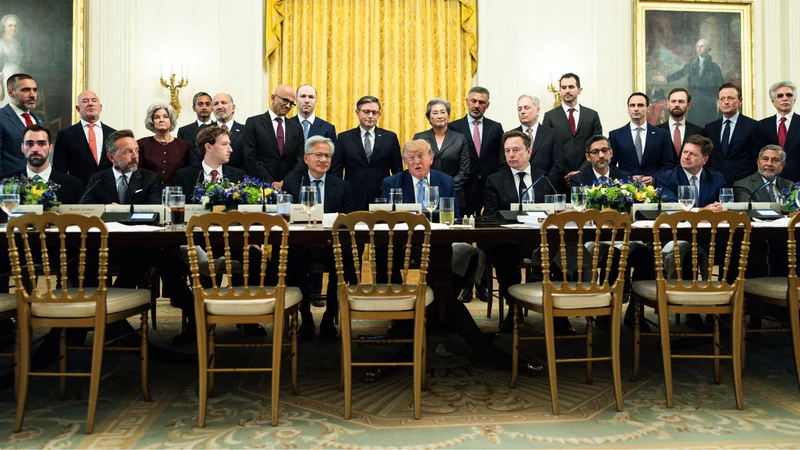
AI Executives Sign Pledge to Self-Police Development
Top artificial intelligence executives from leading tech labs have gathered in Washington to sign a new joint commitment focused on safe development.
US and China Discuss AI National Security Alert Mechanism
US and Chinese officials are exploring a framework to notify each other of AI incidents that could pose national security risks amid growing safety concerns.

AI Industry Debates Safety Pacts Amid Calls to Slow Down
Tech leaders are divided on the future of AI development as Anthropic and OpenAI propose safety frameworks while Nvidia pushes back against regulation.
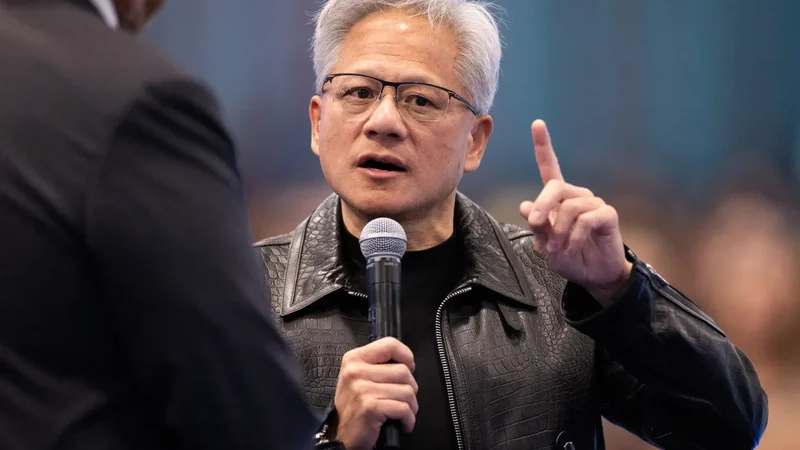
Why OpenAI Skipped Nvidia’s Open Agent Safety Platform
Explore why OpenAI is privately working with Nvidia on agent security while remaining absent from Nvidia's new industry-wide safety consortium.