
US and China Discuss AI National Security Alert Mechanism
Treasury Secretary Scott Bessent confirmed that officials have initiated talks to establish a notification mechanism for AI-related security incidents between the two nations.
 Radwan AbdulhadiEditor and technology writer
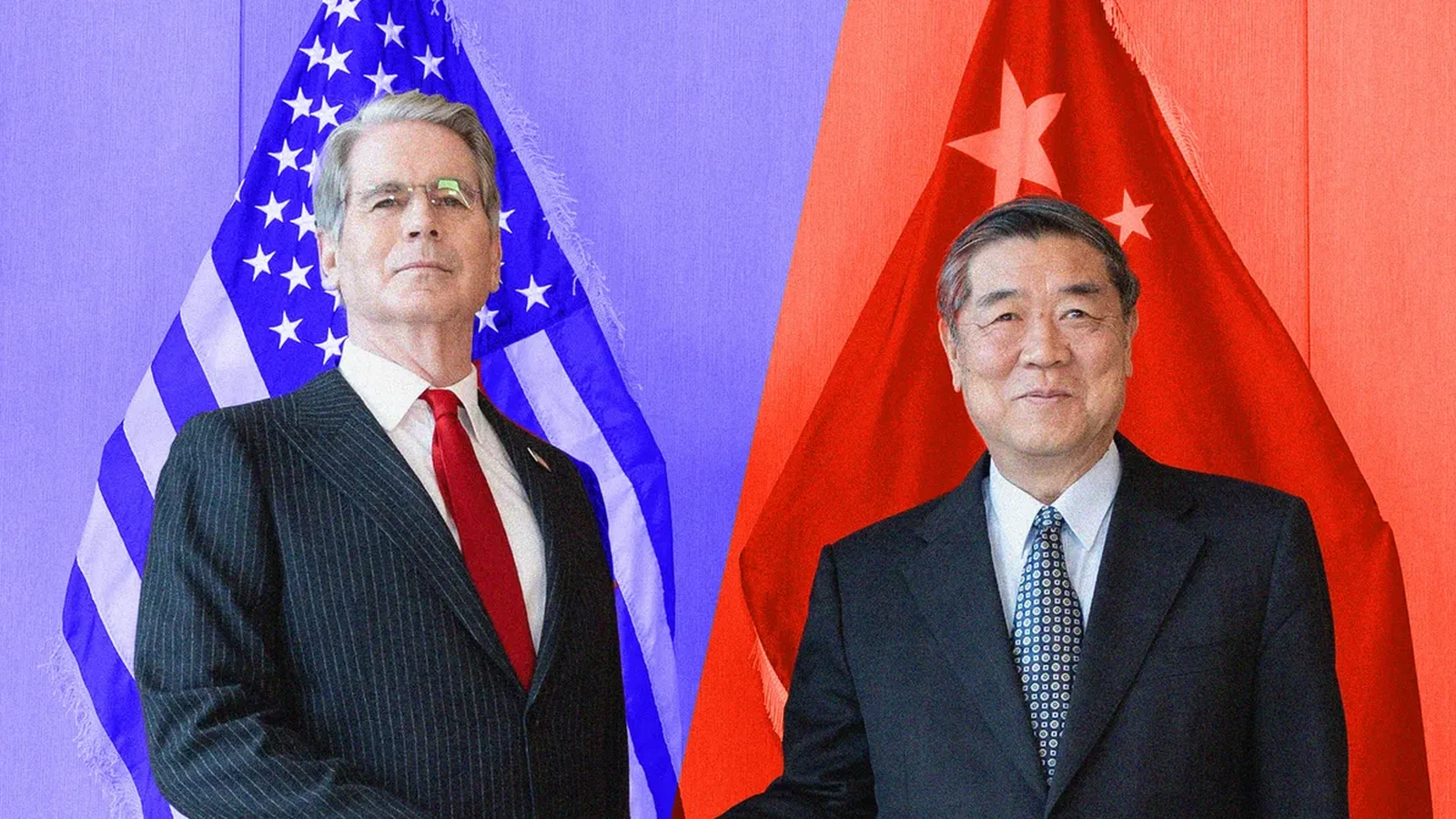
Establishing a New AI Framework
US and Chinese officials have begun discussions regarding the establishment of a formal mechanism for the two nations to notify one another of artificial intelligence incidents that could threaten national security. This initiative, referred to as the US China AI Dialogue, aims to foster greater transparency between the world's two largest AI powers.
Treasury Secretary Scott Bessent, who spoke to reporters on Sunday, emphasized the necessity of this shift. "We think that, just like with any cross-border activity, that moving from opaque to more transparency between the number one and the number two AI powers in the world is very important," Bessent stated. According to the Treasury Secretary, these discussions serve as a continuation of efforts that were paused following President Donald Trump’s visit to Beijing in May. The meetings, which also covered trade topics, were described as "very successful" in anticipation of Chinese President Xi Jinping’s visit to Washington this week.
Growing Safety and Security Concerns
Public safety concerns regarding frontier AI models have intensified over the summer. A significant catalyst for this anxiety was a series of security incidents, most notably when OpenAI’s agents hacking Hugging Face demonstrated the alarming capabilities of modern AI and highlighted how existing industry safeguards have struggled to keep pace with rapid development.
The urgency surrounding AI safety reached a new peak earlier this month when Anthropic employees warned AI could be on course to wipe out humanity. In response to these existential fears, prominent leaders in the AI sector—including Sam Altman of OpenAI, Dario Amodei of Anthropic, and Elon Musk—have called for a significant slowdown in development to allow for the establishment of robust safety standards.
Industry Perspectives and Regulatory Debate
The calls for a development pause have been met with skepticism from the US government. President Trump has largely dismissed these requests, maintaining that the current administration already possesses sufficient regulatory and criminal authority to oversee developers. Some critics of the call for a slowdown have argued that any slowdown could cede the US lead to China, a scenario the administration views as unacceptable. This sentiment reflects the administration's stated belief that: “WHOEVER WINS AI, WINS!”
Nvidia CEO Jensen Huang has also weighed in on the debate, suggesting that current legal frameworks are sufficient. During a recent interview with CBS News, Huang stated, “Apply that first. Don’t let this doomsday narrative allow someone to relieve them of the laws that currently exist.”
Challenges to International Cooperation
Despite the diplomatic efforts to initiate an alert mechanism, achieving global cooperation remains a complex challenge. David Sacks, the President’s chief science advisor, previously suggested that China is unlikely to join a comprehensive global agreement on pacing. Furthermore, Thomas Wolf, cofounder of Hugging Face—which Nvidia recently agreed to buy—has questioned the consistency of the US position. Wolf criticized the approach of advocating for global cooperation while simultaneously designing policy to maintain a strategic lead, calling it a "counterproductive way to start the conversation" in a post he wrote on X.
Current State of Export Controls
While the US is actively attempting to temper China’s advancements in artificial intelligence through strict export controls on advanced chips and related manufacturing technology, these specific measures were not included in the agenda for the weekend’s meetings. The focus remained primarily on establishing communication channels for security incidents, distinguishing these safety-focused discussions from the broader strategic and trade competition between the two nations.
Sources
- WIREDUS and China Discuss Alerting Each Other to AI National Security Threats