Why Your Home Network And The Internet Need IPv6
As the exhaustion of legacy IPv4 addresses continues to shape modern networking, the transition toward IPv6 offers nearly limitless address capacity for every device in your home.
 Radwan AbdulhadiEditor and technology writer
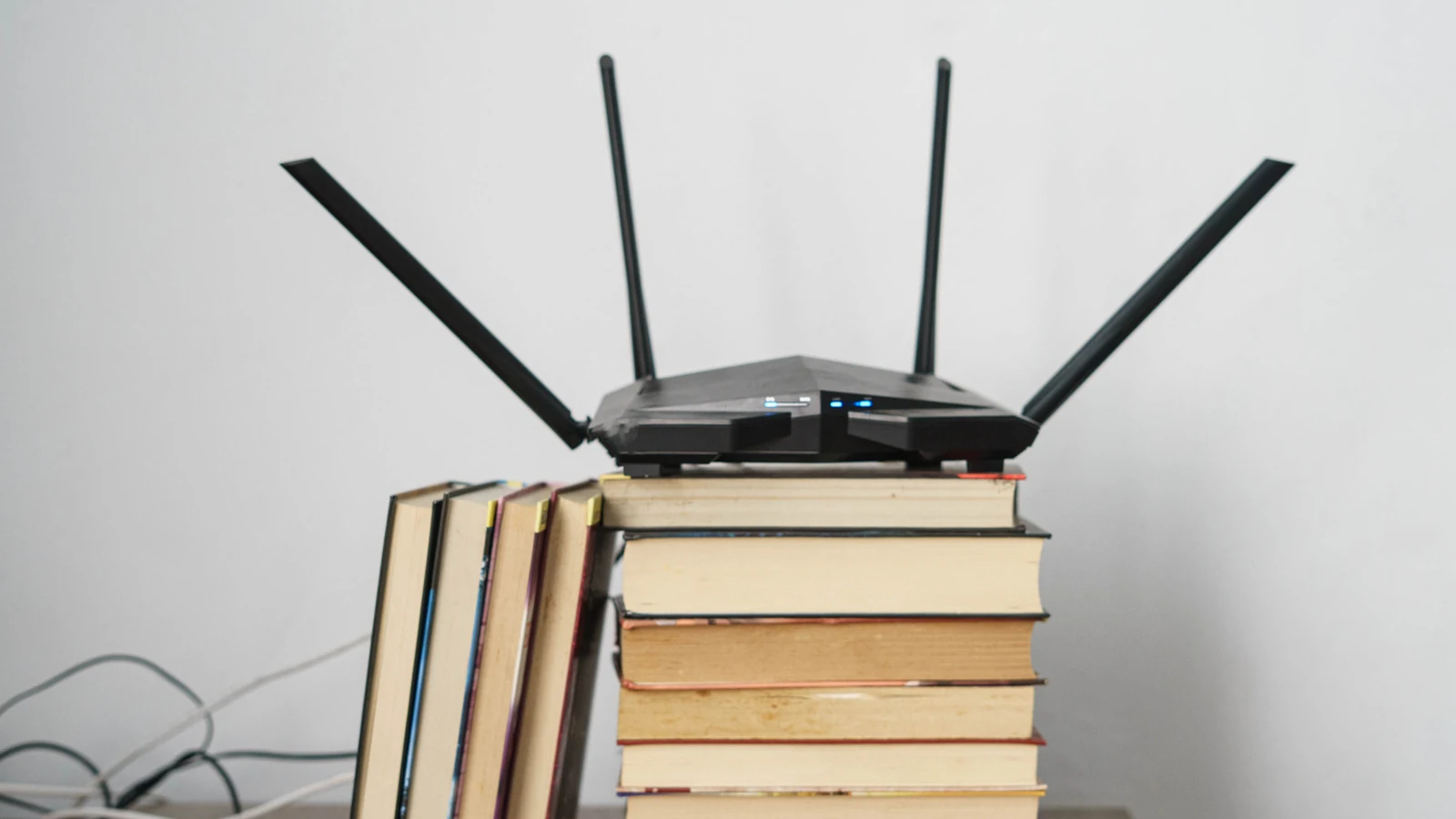
The Exhaustion of IPv4 and the Rise of NAT
Have you ever counted up everything in your home that connects to the internet? There's your phone and laptop, but also the TV and game console, plus maybe a video doorbell and many other smart home devices. It's pretty likely that they're all sharing one public internet address, and it's your router's job to figure out which incoming data belongs to which device. This is because IPv4, the internet's original address system, ran out of fresh addresses back in 2011.
IPv4 was introduced way back in 1981 as the standard which fixed all addresses at 32 bits. While it created around 4.3 billion addresses, those eventually ran out: the Internet Assigned Numbers Authority assigned its last few blocks to the regional registries in February 2011, and North America's allocation ran dry in September 2015. Home routers use Network Address Translation (NAT) to cope with this, which works by the home holding one public address while giving each device inside a private one. Most internet providers now do the same on a much larger scale via carrier-grade NAT, which places groups of customers behind shared addresses.
Understanding the Massive Scale of IPv6
It was replaced by IPv6, which has enough addresses for all the devices in the world to have their own several trillion times over. As detailed by TechTarget, IPv6 was first standardized in 1995 with 128-bit addresses—amounting to roughly 340 undecillion possible combinations. That number is so large that every grain of sand on Earth could have billions of IP addresses, or every person could have several octillion.
Because IPv6 cannot talk to IPv4 directly, today's networks run both protocols simultaneously in a dual-stack configuration while the industry slowly transitions. According to Network World, NAT took off enough pressure that many ISPs and businesses had little incentive to make the full switch immediately. However, adoption rates continue to climb steadily across the globe.
Adoption Rates and Global Statistics
Google tracks the progress of the new protocol closely, noting on Google's IPv6 page that roughly half of its users connect via IPv6. Specifically, Google measured IPv6 use at just under 51 percent of its users on October 17, 2026, up from about 33 percent on the same day in 2020. Globally, France leads adoption at 87 percent, while the United States sits at 55 percent and China at just over six percent.
Regional internet registries also track availability among major internet service providers. For instance, APNIC notes that around 85 percent of Comcast and AT&T users have access, while smaller providers like Frontier sit below 25 percent capability.
Benefits for Home Networks and Smart Devices
With IPv6, all the devices on your home network can have their own public address, which each one builds automatically from a prefix your router advertises. Doing this can solve the issues associated with gaming, since consoles can connect to one another without NAT in the middle. Carrier-level NAT adds a second layer of translation that your router doesn't control, which can break peer-to-peer Xbox game connections when both players share a public address.
Furthermore, modern smart home ecosystems heavily rely on the protocol. Thread, the low-power mesh network used by many devices built for the Matter smart home standard, runs directly on IPv6 as well, ensuring seamless communication across connected household appliances.
Router Settings and Security Considerations
If your ISP supports the protocol, enabling it usually involves navigating a dedicated menu in your hardware. On TP-Link routers, the setting is located under Advanced > IPv6, while Eero devices place it under Settings > Advanced networking > IPv6. If you want to check out broader reporting on hardware configuration, you can visit Engadget for additional computing updates.
When you turn on IPv6, your router's firewall takes over the filtering responsibilities previously handled by NAT. Users should ensure that their IPv6 firewall remains active to improve your router's security against unsolicited inbound traffic. Additionally, users should keep in mind that Microsoft warns some Windows components might not function properly if IPv6 is completely disabled.
Sources
- EngadgetThe internet needs IPv6 and so does your home network
Continue chronologically


Related entity coverage
Related stories
Google, OpenAI, Anthropic Join New Scraping Controls
Google, OpenAI, Anthropic, and Microsoft pledge to support a new common robots.txt signal to block web scraping for generative AI training.

Major AI firms back new multi-company web scraping opt-out standard
OpenAI, Google, Microsoft, and Anthropic plan to adopt a new shared policy token standard allowing publishers to manage AI training preferences collectively.

Canva Unveils In-House AI Image Model Called Canva Craft
Canva has launched its first in-house AI image generation model, Canva Craft, featuring a two-stage design architecture and up to 2K resolution.

Senate Investigation Alleges AI Data Center Claims Mislead Public
A U.S. Senate investigation accuses AI data center developers of misleading the public regarding community costs, permanent jobs, and tax benefits.