Pennsylvania Governor Signs AI Deceptive Advertising Act
Pennsylvania has enacted new legislation requiring clear disclosures on advertisements that are significantly modified or generated by artificial intelligence, making it one of the first states to target AI content.
 Radwan AbdulhadiEditor and technology writer
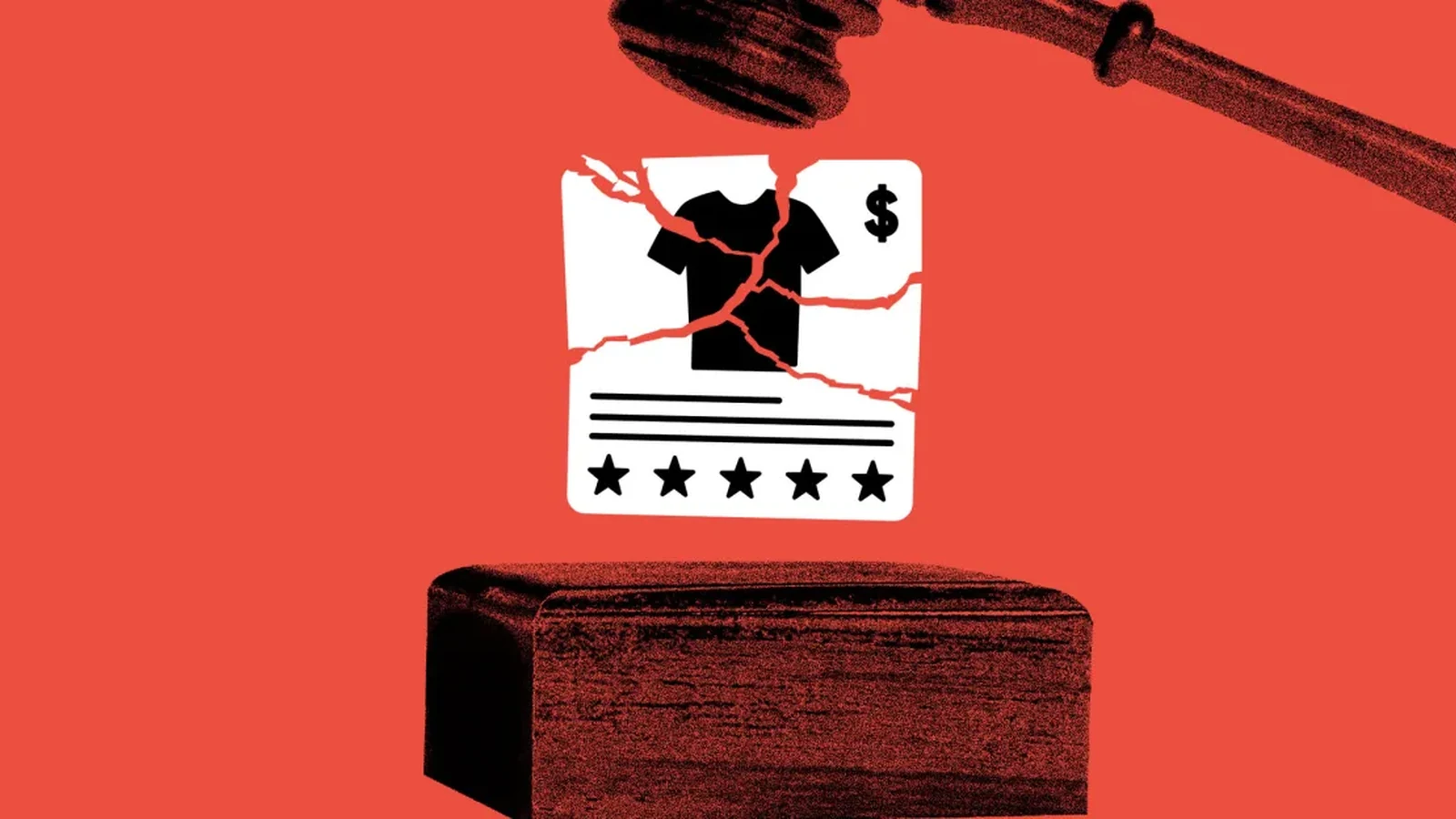
New Legislation in Pennsylvania
On Thursday, Pennsylvania Governor Josh Shapiro signed the Artificial Intelligence Deceptive Advertising Act into law, introducing mandatory disclosures for advertisements utilizing artificial intelligence. Reported initially by <a href="https://www.theverge.com/ai-artificial-intelligence/1018187/pennsylvania-ai-deceptive-advertising-act">The Verge</a>, the legislation addresses the growing prevalence of synthetic media in commercial spaces.
The statutory text of the <a href="https://www.palegis.us/legislation/bills/text/PDF/2025/0/SB0806/PN1808">Artificial Intelligence Deceptive Advertising Act</a> outlines the specific compliance framework for advertisers operating within the state boundaries.
Scope of the Disclosure Requirements
The newly passed law mandates that any advertisement—whether presented as a still image, video, audio, or text—that has been significantly modified or generated by artificial intelligence must include an appropriate label. Furthermore, this label must match the same format as the advertisement itself.
These disclosure rules apply broadly across the commercial landscape. The requirements cover major corporate campaigns, such as high-profile <a href="https://www.theverge.com/news/812559/coca-cola-ai-holiday-christmas-commercial-2025">TV commercials from multi-billion-dollar companies</a>, as well as smaller-scale local advertising materials.
In addition to broadcast media, the regulations apply to everyday promotional materials. This includes local business promotions, such as restaurants' <a href="https://www.theverge.com/ai-artificial-intelligence/989376/ai-generated-food-why-does-it-look-like-that">ugly, crowded flyers</a> promoting wing specials and other local deals.
Legislative Origins and Interstate Reach
Pennsylvania is positioned as one of the first states in the nation to enact mandatory disclosures for AI-generated content. Because the law requires labels regardless of where an ad was initially created, national campaigns could see changes. For instance, consumers might observe disclosures appearing in commercials produced in other states if those advertisements are also scheduled to air within Pennsylvania.
The legislation itself originated from the office of State Senator Nick Pisciottano. Local news outlets including <a href="https://www.wpxi.com/news/local/law-requiring-advertisers-disclose-when-they-are-using-ai-passes-pennsylvania/BYUPMQRUHFB27GXBLVHFXPZEKE/">who introduced the bill</a> reported extensively on its progress through the state legislature prior to Governor Shapiro's signature.
Loopholes and Ambiguities in the Law
Despite its pioneering nature, legal analysts have pointed out that the statute leaves several interpretive loopholes. For example, the threshold for what constitutes "significantly modified" remains subjective, leaving room for differing legal interpretations by advertisers and regulators.
Additionally, the law includes explicit carve-outs for parody, satire, commentary, criticism, and any material deemed "evidently fictional." However, the statutory language does not clearly define what qualifies as "evidently fictional."
Furthermore, the wording suggests that disclosures are only triggered when synthetic content is used in a manner that generates a false consumer perception concerning a product or service. This phrasing raises ongoing questions regarding what specifically qualifies as false under the statute and which regulatory bodies or individuals will ultimately make those determinations.
Sources
- The VergePennsylvania will require labels on AI-generated ads
Continue chronologically


Related stories
Flock Safety Plans Major Layoffs Amid Growing Surveillance Backlash
Flock Safety is reportedly planning to cut 18 percent of its workforce following mounting bipartisan backlash and declining adoption nationwide.

California Governor Newsom Proposes AI Kill Switch
Governor Gavin Newsom has signed an executive order to establish an expert panel aimed at creating new AI safety measures, including a potential kill switch.
GitHub Adds BYOK Support to Copilot Usage API
GitHub updates its Copilot usage metrics API to separate bring-your-own-key usage and enterprise custom models from Copilot-hosted data.

Google Warns LLMjacking Attacks Drive Up $1 Million in Cloud AI Costs
Google's Threat Intelligence Group and Mandiant reveal that LLMjacking attacks are generating massive fraudulent cloud charges exceeding $100,000 daily.