Self-Driving Truck Regulatory Roadblock Clears
Autonomous trucking developers Aurora Innovation and Kodiak AI have secured a major regulatory exemption, clearing a path for commercial operations without traditional human roadside protocols.
 Radwan AbdulhadiEditor and technology writer
Regulatory Exemption Clears Autonomous Trucking Hurdle
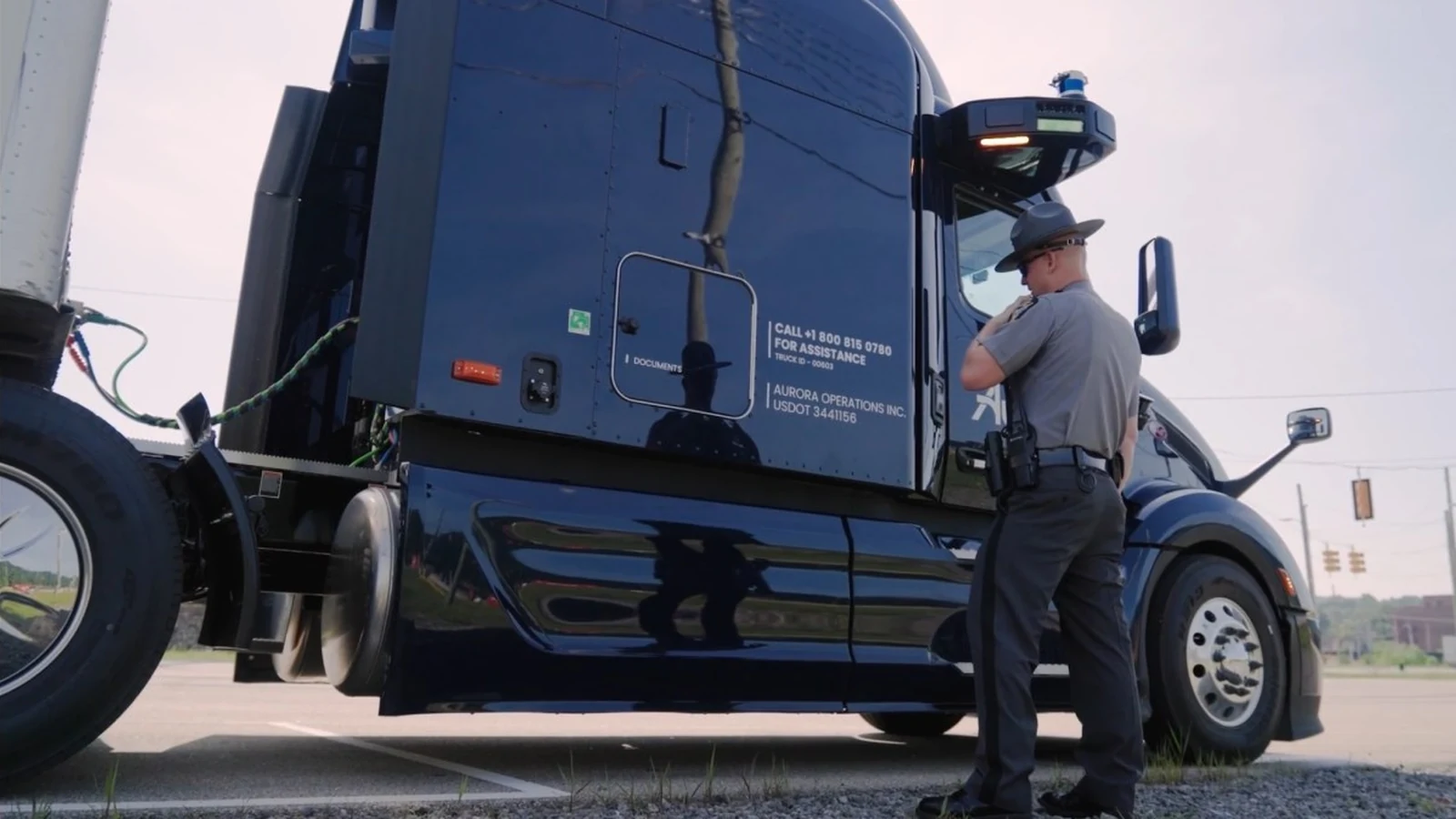
Self-driving truck companies Aurora Innovation and Kodiak AI received a federal exemption this week that removes a massive barrier to commercialization. Under federal regulations, if a traditional big rig runs into trouble, the human driver must pull over, activate the hazard lights, and then physically place reflective warning triangles on the road within 10 minutes to alert other road users. However, if a mechanical problem forces a self-driving truck to pull over, there is no human driver present to deploy those conventional warning devices.
This compliance requirement proved to be a substantial hurdle for developers. The issue escalated significantly when Aurora took federal safety regulators to court over the requirement. After the court denied its initial request for an exemption, the company escalated the fight to the District of Columbia Court of Appeals, while maintaining a temporary waiver as it awaited a final decision.
Cab-Mounted Warning Beacons Replace Triangles
Now, Aurora and other self-driving truck developers have been given the green light from the Federal Motor Carrier Safety Administration. The agency has granted a five-year exemption allowing companies to replace roadside warning devices, such as reflective warning triangles, with cab-mounted warning beacons.
The approved regulatory document provides comprehensive details on the operational adjustments permitted under the waiver. Developers and safety observers can examine the specific provisions outlined in the formal exemption release.
Furthermore, technology developers have established public resources to demonstrate the functionality of these new safety systems. Interested parties can visit Aurora’s first responders page to see how the automated beacon deployment works in practice.
Industry Leaders Welcome the Regulatory Shift
Industry representatives have expressed optimism following the federal decision, noting that the update acknowledges modern technological capabilities in commercial transportation. Daniel Goff, vice president of external affairs at Kodiak AI, stated that the exemption will help the industry usher in an autonomous era of freight movement on U.S. roads, one that can save lives and improve the efficiency of goods delivery.
Gerardo Interiano, Aurora’s head of government relations and public affairs, echoed that sentiment, emphasizing that the decision underscores the government’s recognition of the economic and community benefits of autonomous trucking. Interiano described the high-visibility, cab-mounted warning beacons as a critical, 21st-century solution that enhances roadside safety by immediately alerting other road users without ever needing to put a person in harm’s way.
Broader Technology and Mobility Developments
Beyond regulatory updates in autonomous trucking, the broader technology and mobility sector continues to experience significant financial and structural shifts. Redwood Materials, the battery-recycling company started by Tesla co-founder JB Straubel, kicked off a restructuring to focus more on energy storage. The first stage of the restructuring involved laying off around 10% of its workforce, followed by additional executive departures over subsequent weeks.
Meanwhile, autonomous vehicle leader Waymo secured substantial financial backing to support its ongoing commercial rollout. The company completed a historic debt financing arrangement, securing a $5 billion bump led by major lenders including PIMCO, Blackstone, and Sixth Street to fuel its expanding robotaxi footprint.
Sources
- TechCrunchTechCrunch Mobility: A roadblock clears for self-driving trucks
Continue chronologically


Related stories
A New AV Boom Emerges as Startups Embrace AI
The autonomous vehicle industry is experiencing a second, larger wave of growth fueled by artificial intelligence, foundational models, and new startups.
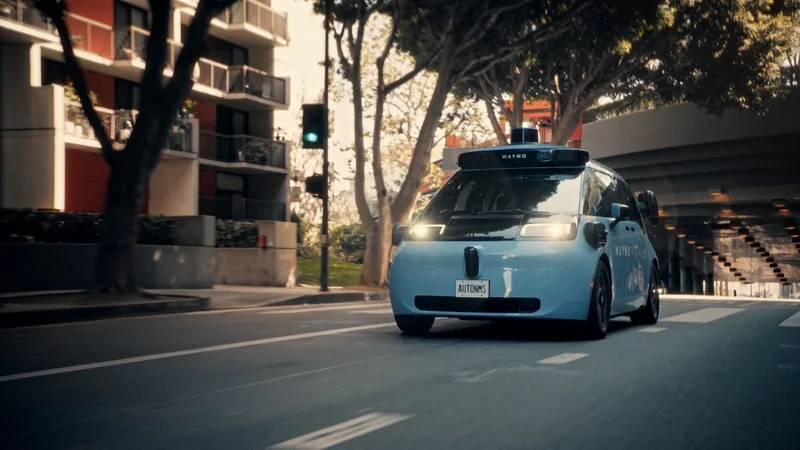
Waymo to Test Self-Driving Vehicles on Toronto Streets
Waymo has received approval to join Ontario’s automated vehicle pilot program and will begin testing self-driving vehicles in Toronto.
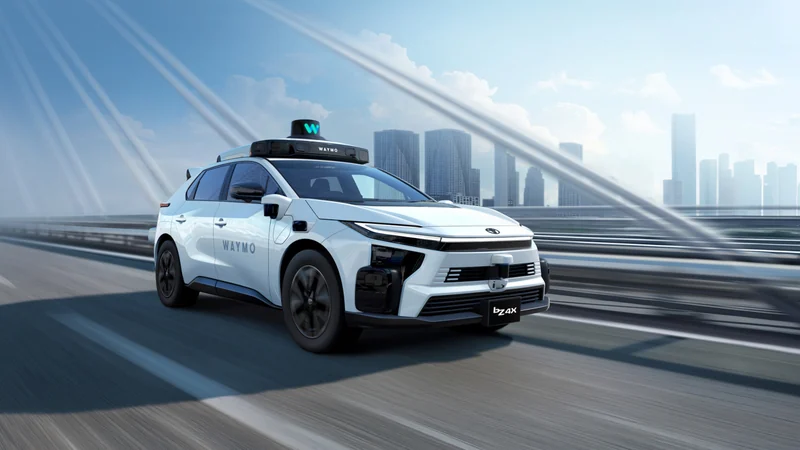
Waymo and Toyota Partner for bZ4X Robotaxis in Tokyo
Waymo will use purpose-built Toyota bZ4X electric vehicles for a new robotaxi service in Tokyo, expanding on their strategic partnership.
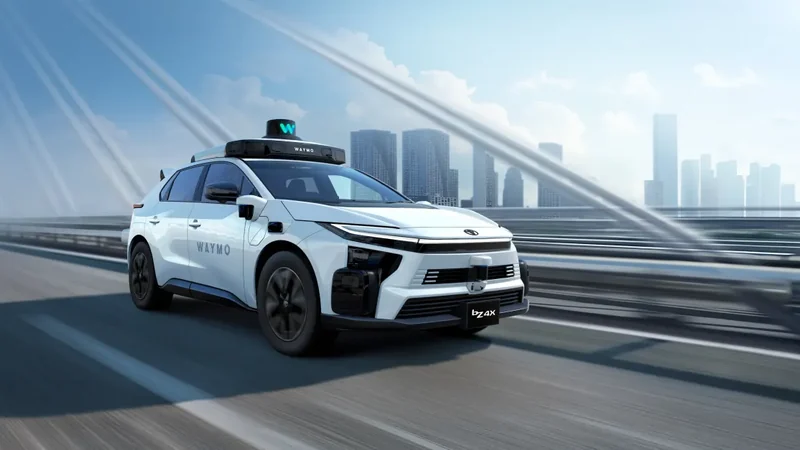
Waymo and Toyota to Start Testing bZ4X Robotaxis in Japan
Waymo and Toyota will begin testing autonomous bZ4X electric vehicles in Japan, with plans to expand into the UK and other right-hand drive markets.