Steam Frame Teardown Highlights Future Repair Challenges
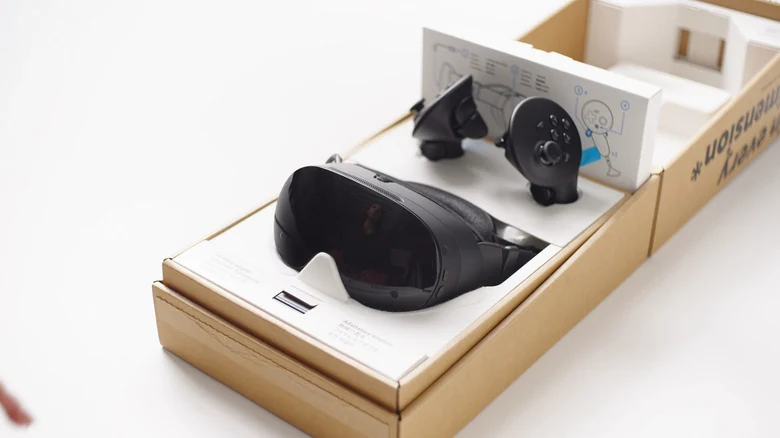
A recent teardown of Valve's new virtual reality headset reveals a mostly repairable design, though servicing a few specific components will prove complicated.
 Radwan AbdulhadiEditor and technology writer
The Cooling Fan Challenge
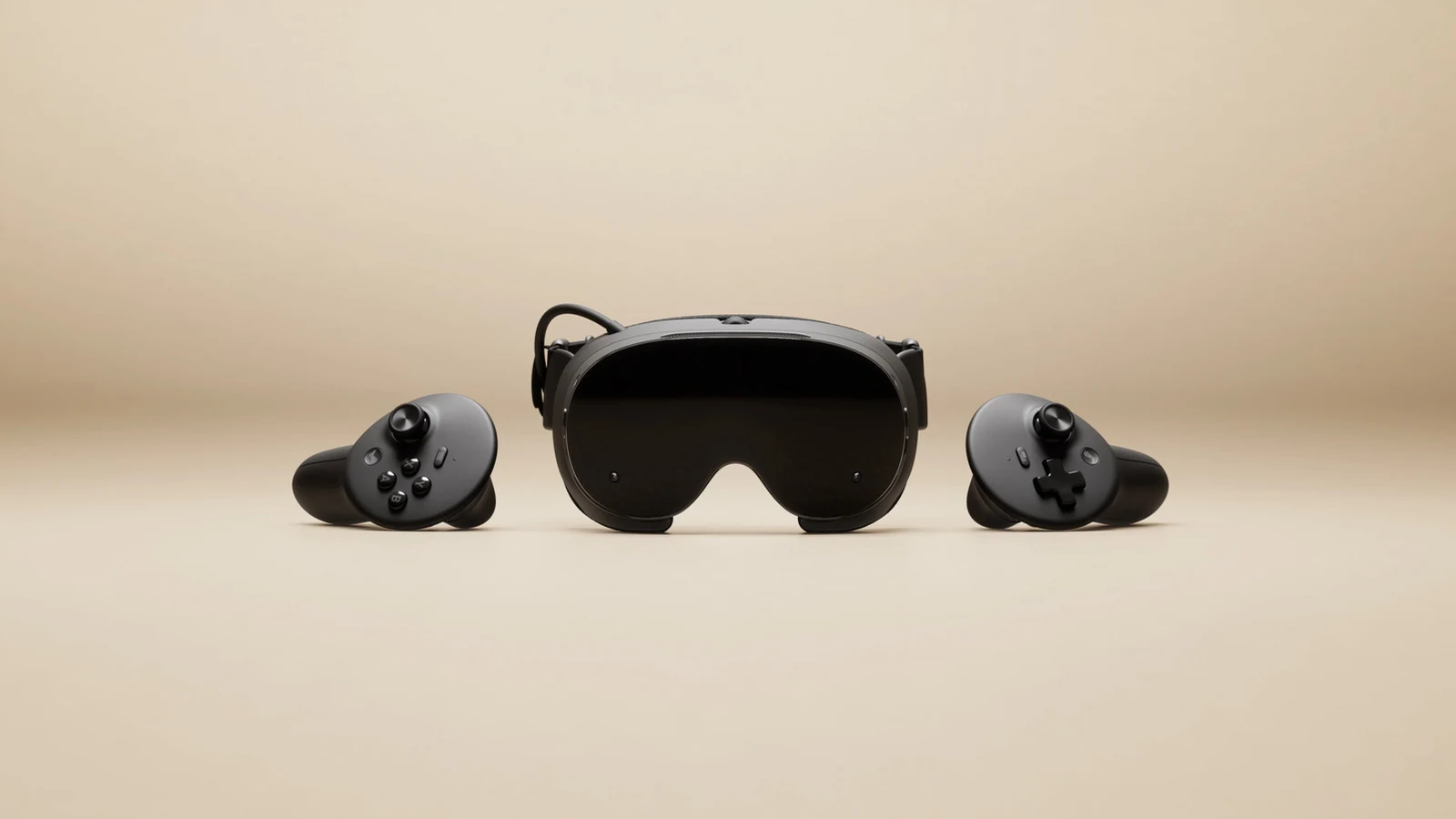
According to iFixit's teardown, Valve's virtual reality hardware features a mostly approachable design, but it has one major drawback regarding its thermal management system. The cooling fan is buried deep inside the headset, requiring technicians to navigate past optical assemblies, thermal hardware, cables, and other internal components. Because fans eventually accumulate dust and wear out over time, burying this specific part makes future maintenance much more difficult than it otherwise might have been.
Fortunately, the cooling fan and the heat pipe are kept separate, which is a positive design choice. However, the sheer amount of disassembly required to reach the fan poses an obstacle for routine cleaning and long-term maintenance over the lifespan of the hardware.
Positive Points in Repairability
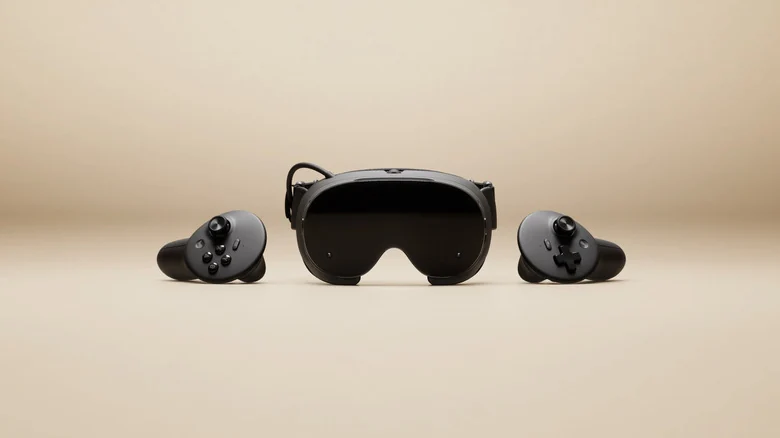
Outside of the cooling fan, the hardware scores relatively well in overall repairability by virtual reality industry standards. The head strap detaches via quick-release latches, allowing for easier access to the rear battery pack without disturbing the displays. For hygiene and upkeep, sweat-absorbing elements including the nose bridge, face cushions, and headrest cushions are completely replaceable.
Furthermore, the lenses attach magnetically to the interpupillary distance (IPD) rail. This magnetic attachment makes display and eye-tracking repairs comparatively straightforward, even though removing them still requires dealing with a few screws and cables. Crucially, the teardown notes that technicians do not need to dig out the motherboard for these standard procedures.
Hurdles With Batteries and Controllers
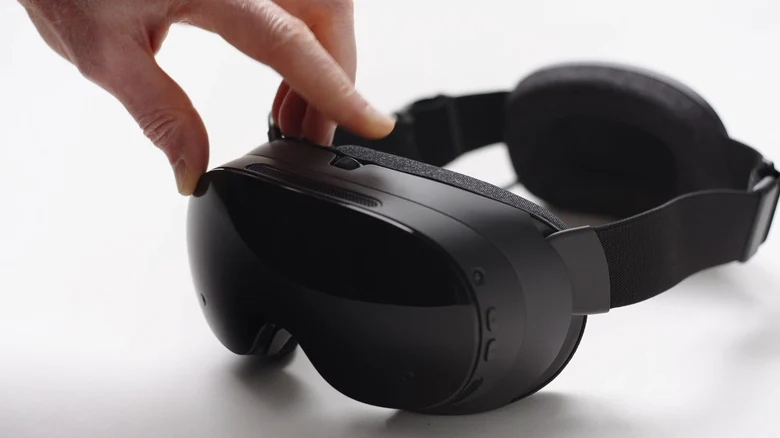
The teardown also pointed out a few other notable catches regarding hardware maintenance. The headset's battery lacks release tabs, meaning iFixit had to remove it using isopropyl alcohol and gentle prying. Additionally, the thumbsticks on the controllers are soldered directly to their respective boards, making the replacement of a broken thumbstick a much more involved process than users might hope.
Replacement components will eventually be sold through the iFixit store. However, replacement batteries and replacement displays will not be available when the parts store initially launches. While Valve offers warranty repairs and official replacements for covered units, the lack of immediate DIY parts at launch remains a noticeable gap in supporting long-term user repairs.
Market Context and Pricing
Beyond its internal construction and repair mechanics, the Steam Frame faces a tough competitive landscape. Starting at $1,059, the hardware costs significantly more than the Meta Quest 3, yet it arrives at a time when developer investment in virtual reality software has slowed down.
The device does include powerful standalone support for various titles, including Half-Life: Alyx, alongside wireless PC streaming capabilities and microSD expansion. Nevertheless, its high price tag driven by factors like RAMageddon and its late entry into the market make it a challenging sell for mainstream buyers, regardless of its generally positive repair score.
Sources
- EngadgetSteam Frame teardown reveals one problem with its future repairs
Continue chronologically

Related stories
Valve Adds CD-ROM Support to Steam Frame Kernel
Valve has added CD-ROM drive support to the Steam Frame kernel in under ten minutes following a user request on the Steam Community forum.
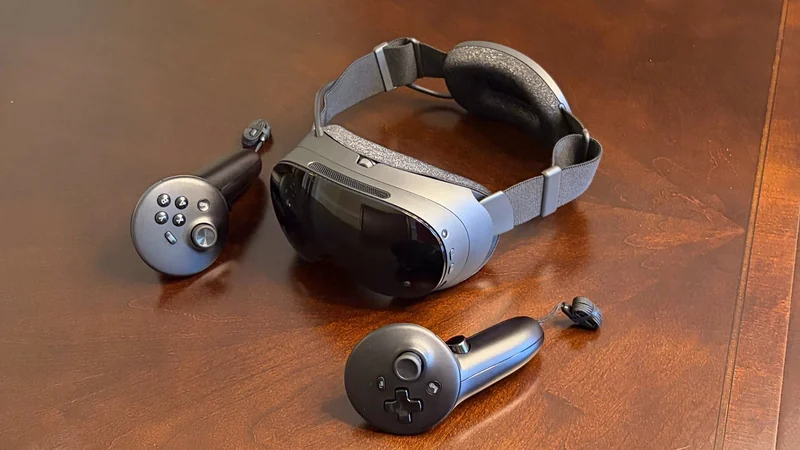
Valve Launches Steam Frame VR Headset Starting at $1,059
Valve has officially released its Steam Frame VR headset. Discover the latest tech news including new RPG titles and compact digital cameras.

Valve Steam Frame Review: Costly and Inconsistent
Valve's Steam Frame virtual reality headset promises standalone and streaming VR gaming, but hardware limitations and inconsistent performance hold it back.

Tom's Hardware Premium Reviews Steam Frame and AI Trends
This week's Tom's Hardware Premium highlights the Valve Steam Frame release, ongoing DRAM shortages, and escalating debates over AI safety and regulation.