New Volta Malware Uses AI to Autodox and Profile Victims
A recently uncovered strain of infostealer malware incorporates artificial intelligence capabilities to automatically analyze harvested victim data and prioritize high-value targets.
 Radwan AbdulhadiEditor and technology writer

Introduction to Volta-Autodoxer
Security researchers have uncovered a novel strain of infostealer malware that leverages artificial intelligence to automatically profile victims and rapidly surface high-value targets. Highlighted in research shared exclusively with WIRED's Kernel Panic newsletter, the malware has been dubbed “Volta-Autodoxer” based on internal references found within its code.
Discovered by Cisco Talos researchers, the finding illuminates how commercial LLMs are being integrated into established malware families. The malicious software functions as an advanced infostealer malware designed to harvest sensitive digital footprints from compromised systems.
Data Collection and Deep Sweeps
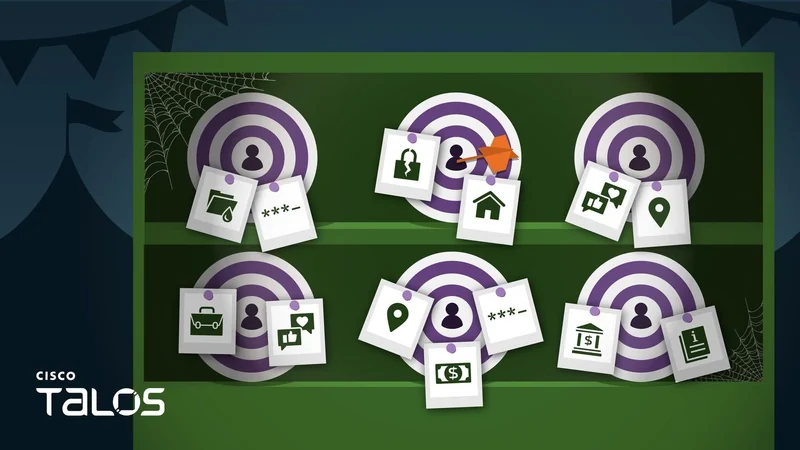
Typically distributed via counterfeit software, traditional infostealers target younger internet users with extensive digital profiles. According to Cisco Talos security researcher Ryan Fetterman, Volta casts a wide net by scraping browser-stored passwords, Microsoft OAuth tokens, cookies, payment cards, and crypto wallet seed phrases, alongside active Discord, Telegram, Steam, and Roblox sessions.
After the initial extraction, the malware performs a deeper secondary sweep. By examining central accounts like Gmail, Volta compiles a comprehensive profile of the victim's location, habits, and lifestyle using receipts and order histories from services such as UberEats and DoorDash.
AI Integration and Fallback Models
Once data collection is complete, the malware structures the findings into a serialized dossier and transmits them to AI tools via OpenRouter. While the system defaults to Anthropic’s Claude Opus 4.6, its creators anticipated potential model guardrail blocks and built automatic fallbacks to other systems.
If the primary AI call fails, Volta can cascade to the Chinese open weight Moonshot AI Kimi K2 and subsequently Google’s Gemini 2.5 Flash. Implementing cost-effective older-generation models and failover cascades are increasingly common strategies observed among modern cyberattackers.
Forensic Prompts and Intelligence Analysis
The malware's creators embedded a meticulous 240-word prompt instructing the LLM to function as a forensic intelligence analyst. The instructions require the chatbot to generate an executive summary detailing what the victim does, their net worth, and an assessment of their operational security.
Furthermore, the prompt explicitly directs the AI to connect disparate data points across fields—such as verifying whether a target's Wi-Fi password matches their surname. Fetterman noted that while the prompt is carefully phrased to bypass initial model refusals, the malware retains its core functionality even if the AI components are disabled.
Broader Industry Trends and Future Risks
Security researchers across the cybersecurity landscape are observing growing adoption of artificial intelligence by malicious actors, ranging from coding assistance to analyzing stolen troves of information. Talos identified Volta using its newly developed CAIRN framework, though researchers have not yet tracked active deployments of the malware in the wild.
Experts warn that automating victim triage presents significant risks, allowing lower-level threat actors to capitalize on stolen credentials before authentication tokens expire or passwords are changed. The evolution points toward increasingly sophisticated and invasive cyberthreats driven by accessible artificial intelligence capabilities.
Sources
- WIREDSpooky New Infostealer Malware Uses AI to ‘Autodox’ Victims
Continue chronologically


Related entity coverage
Related stories
New VOLTA Windows Malware Uses Claude to Rank Victims
Cisco Talos uncovers VOLTA, a self-deleting Windows infostealer that leverages Anthropic's Claude to rank stolen victim assets by monetization value.
Darkbloom Warns Mac Users as AI Token Costs Plummet
Decentralized AI inference network Darkbloom warns Mac users sharing idle compute that earnings are dropping sharply amid falling token prices.

Google, OpenAI, Anthropic Join New Scraping Controls
Google, OpenAI, Anthropic, and Microsoft pledge to support a new common robots.txt signal to block web scraping for generative AI training.

Major AI firms back new multi-company web scraping opt-out standard
OpenAI, Google, Microsoft, and Anthropic plan to adopt a new shared policy token standard allowing publishers to manage AI training preferences collectively.