
OpenAI and Anthropic Seek Smaller Data Centers
The two AI giants are shifting strategy to address urgent demand for inference capacity, supplementing their massive long-term infrastructure commitments with smaller, readily available facilities.
 Radwan AbdulhadiEditor and technology writer
Strategic Shift Toward Immediate Capacity
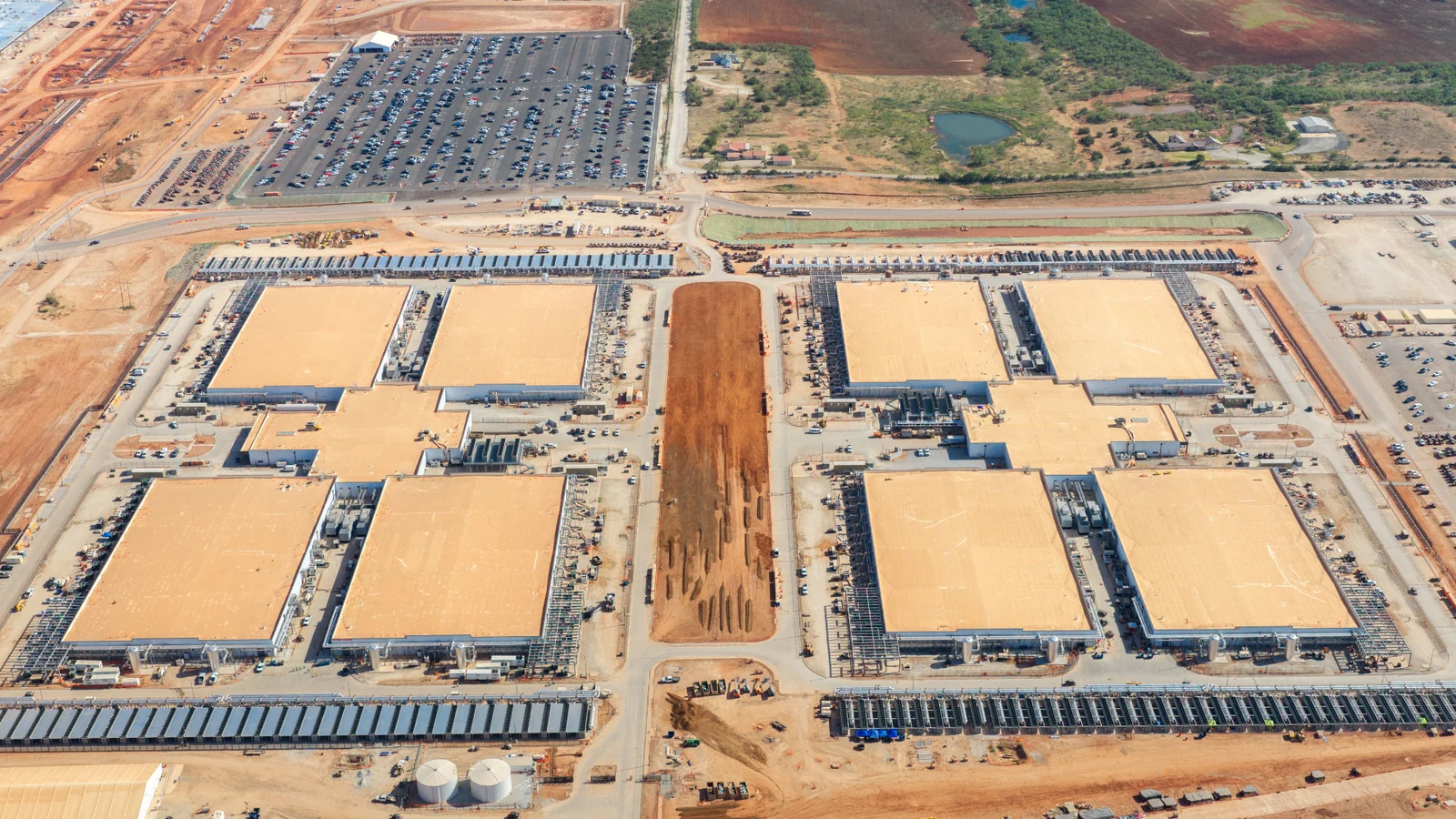
OpenAI and Anthropic are currently working to secure smaller data center deployments in a move to bridge the gap between their massive long-term infrastructure goals and immediate computational needs. While both organizations have committed billions to sprawling, future-proof projects, the reality of current market pressure has led them to explore facilities with roughly 20-30 MW of capacity, as noted in a recent [report](https://go.redirectingat.com?id=92X1584492&xcust=tomshardware_us_1220130876241637016&xs=1&url=https%3A%2F%2Fwww.cnbc.com%2F2026%2F09%2F18%2Fanthropic-openai-small-ai-data-center-deals.html&sref=https%3A%2F%2Fwww.tomshardware.com) covering the industry shift.
Navigating Global Infrastructure Gaps
The pursuit of these smaller sites is a reaction to the inherent delays associated with gigawatt-scale construction. Developing massive AI campuses requires years of planning, including securing land, grid connections, and cooling infrastructure. According to [Tom's Hardware](https://www.tomshardware.com/tech-industry/data-centers/openai-and-anthropic-are-reportedly-seeking-out-smaller-data-center-deals-to-meet-current-demand-20-30-mw-facilities-to-provide-capacity-as-mega-structures-undergo-construction), both companies have already initiated massive projects. Anthropic previously entered a $45 billion agreement for 460 MW in West Virginia, while OpenAI continues to expand its Stargate commitments alongside 3 GW and 8 GW projects in Georgia and Ohio, respectively.
For OpenAI, the strategy is part of a broader mission to build a diversified compute portfolio. An OpenAI spokesperson stated that the firm evaluates potential deployments based on performance, reliability, timing, and cost, emphasizing that different workloads necessitate specific infrastructure approaches. Anthropic, meanwhile, has reportedly focused its search for 20-30 MW sites across the UK, the Nordics, and the United States, though the company declined to comment on the specific negotiations.
Operational Advantages of Smaller Deployments
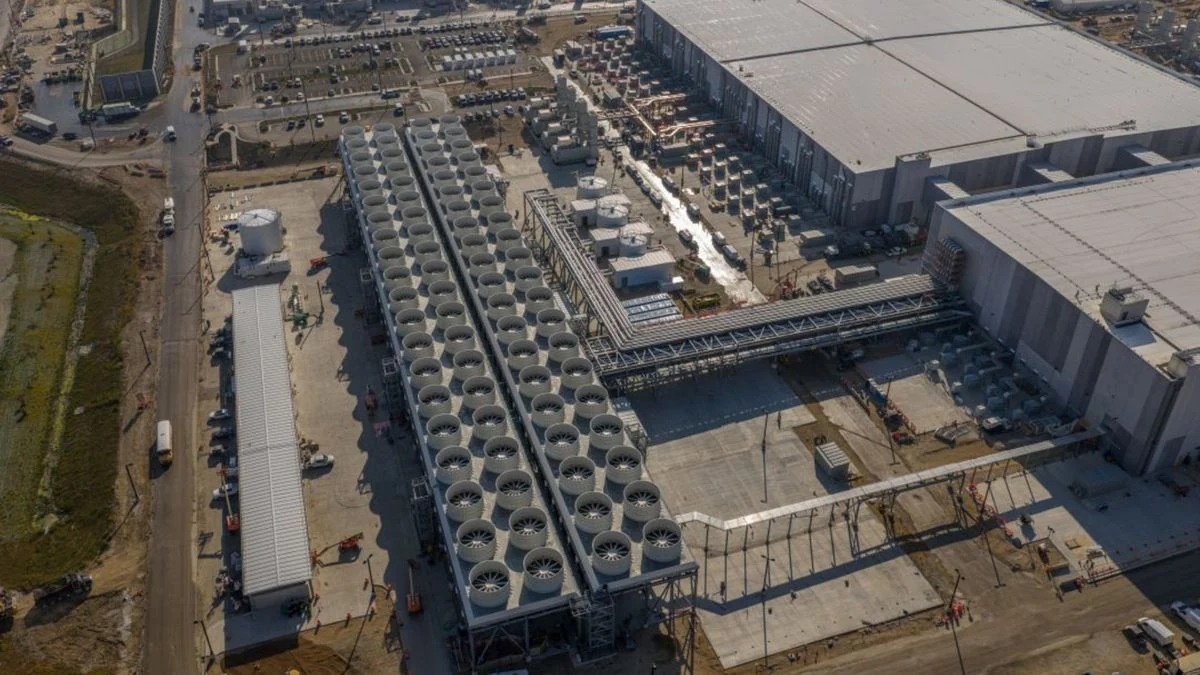
Beyond avoiding the lengthy construction timelines of mega-projects, smaller data centers offer a distinct operational benefit: they are well-suited for AI inference tasks. Unlike model training, which requires massive, tightly coupled clusters of GPUs connected via high-bandwidth interconnects, inference workloads can be distributed across multiple smaller sites. This versatility allows AI companies to mitigate risks, including the growing trend of local opposition to large-scale data center developments. In the second quarter of 2026 alone, such opposition led to the blocking of 45 projects totaling $68 billion in valuation due to concerns regarding land use and environmental impacts.
Market Practicality and Future Outlook
Industry analysts support the move toward smaller, existing sites as a practical solution to the current compute crunch. Jabez Tan, head of research at Structure Research, noted that securing a few megawatts at an existing powered site is often a more viable path than waiting for capacity to be developed in a single, massive location. By aggregating several smaller deployments, companies can achieve significant total compute capacity without the delays inherent in new, large-scale construction. This modular approach is consistent with existing industry practices, where AI companies already lease capacity from hyperscalers, dedicated data center operators, and GPU-focused neoclouds to ensure their workloads remain fluid across different providers.
Sources
- Tom's HardwareOpenAI and Anthropic scramble for smaller data centers as massive gigawatt projects lag — 20-30 MW facilities to provide capacity as mega structures undergo construction