
OpenAI Releases Practical Guide for GPT-6 Integration
OpenAI has published operational documentation outlining how developers and startups can build, optimize, and deploy software using its GPT-6 model suite. The guide provides technical best practices for model selection, API reasoning controls, context efficiency, and long-running workflows.
 Radwan AbdulhadiEditor and technology writer

Navigating the GPT-6 Model Family
OpenAI has detailed a structured framework to help startups and software engineering teams implement applications built on its latest generation of artificial intelligence models. In documentation shared on OpenAI News, the organization outlines technical strategies for transitioning projects from initial prototype concepts to full production readiness. The guidance addresses multi-step operations spanning code repositories, databases, and third-party web services while balancing execution latency and operational expenses.
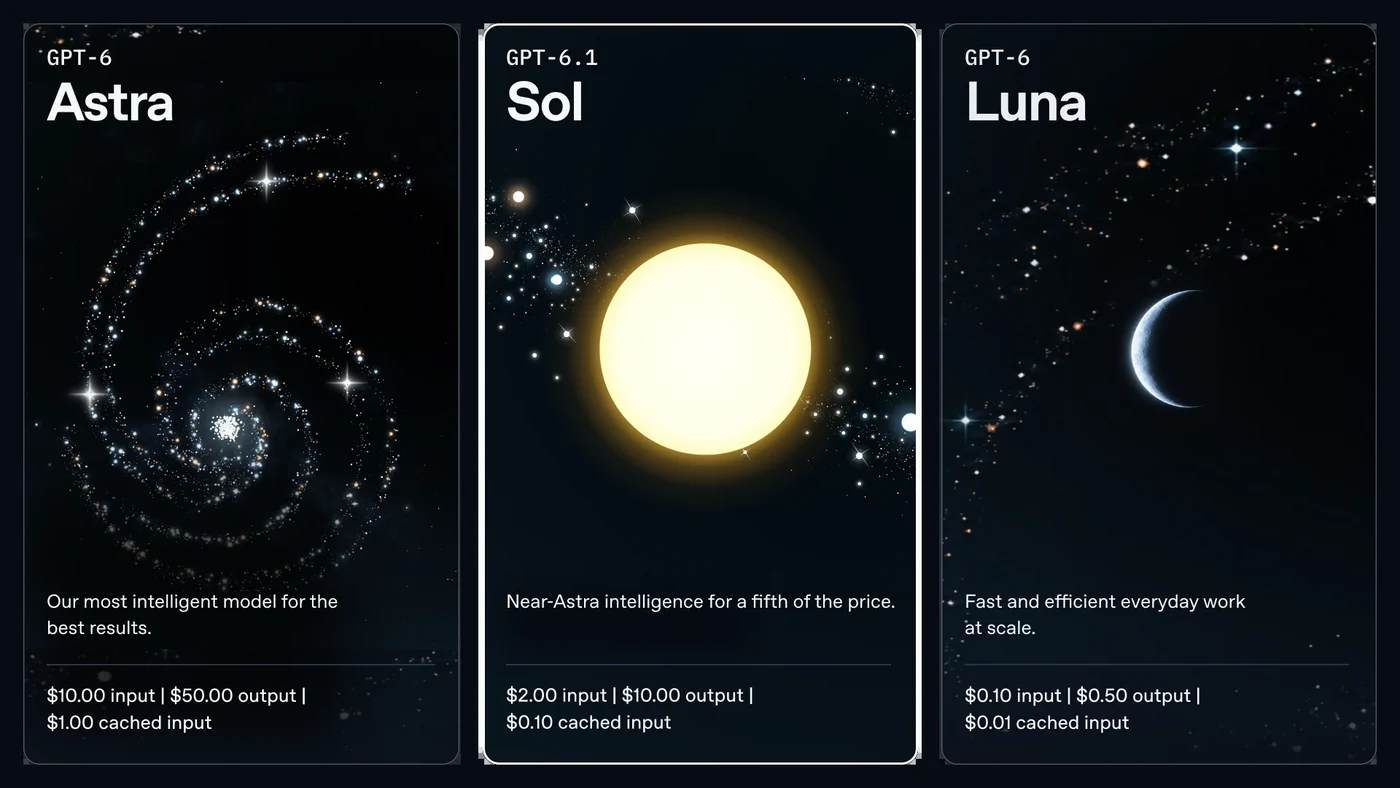
According to the publication, GPT-6 represents our most advanced suite of models yet, giving developers a choice of specialized engines designed for different workloads. To achieve optimal performance without incurring unnecessary cost, engineering teams are encouraged to evaluate their specific processing needs before selecting a target model.
The framework categorizes the suite into distinct deployment tiers. GPT-6 Astra is designated for the most demanding reasoning workloads where maximum intelligence is required. GPT-6.1 Sol is tailored for complex computer programming, deep research, and direct computer usage. For focused, high-volume operations with clear targets, GPT-6 Luna is optimized to perform repetitive tasks at scale, such as extracting structured invoice fields, classifying user requests, or generating structured summaries.
Tuning API Reasoning Effort and Latency
In addition to selecting a specific model tier, OpenAI highlights the importance of configuring model intensity directly within the developer application programming interface. The company frames model selection and reasoning depth as a direct tradeoff between artificial intelligence capability and pricing.
Through API parameters, developers can explicitly set the reasoning effort assigned to a given query. This setting governs how much processing time and compute energy the model spends analyzing a problem before generating a response.
Low reasoning effort is recommended for routine operations, such as extracting isolated facts or applying minor text edits. Medium reasoning effort fits tasks requiring analytical judgment, such as planning feature architectures or comparing technical choices. High reasoning effort is intended for difficult code debugging, deep analysis, and thorough technical reviews. In cases where high effort falls short, developers can test Extra High or Max configurations, retaining them only if the resulting accuracy improvement justifies the added time and cost.
Managing Long-Running Tasks and Autonomous Tools
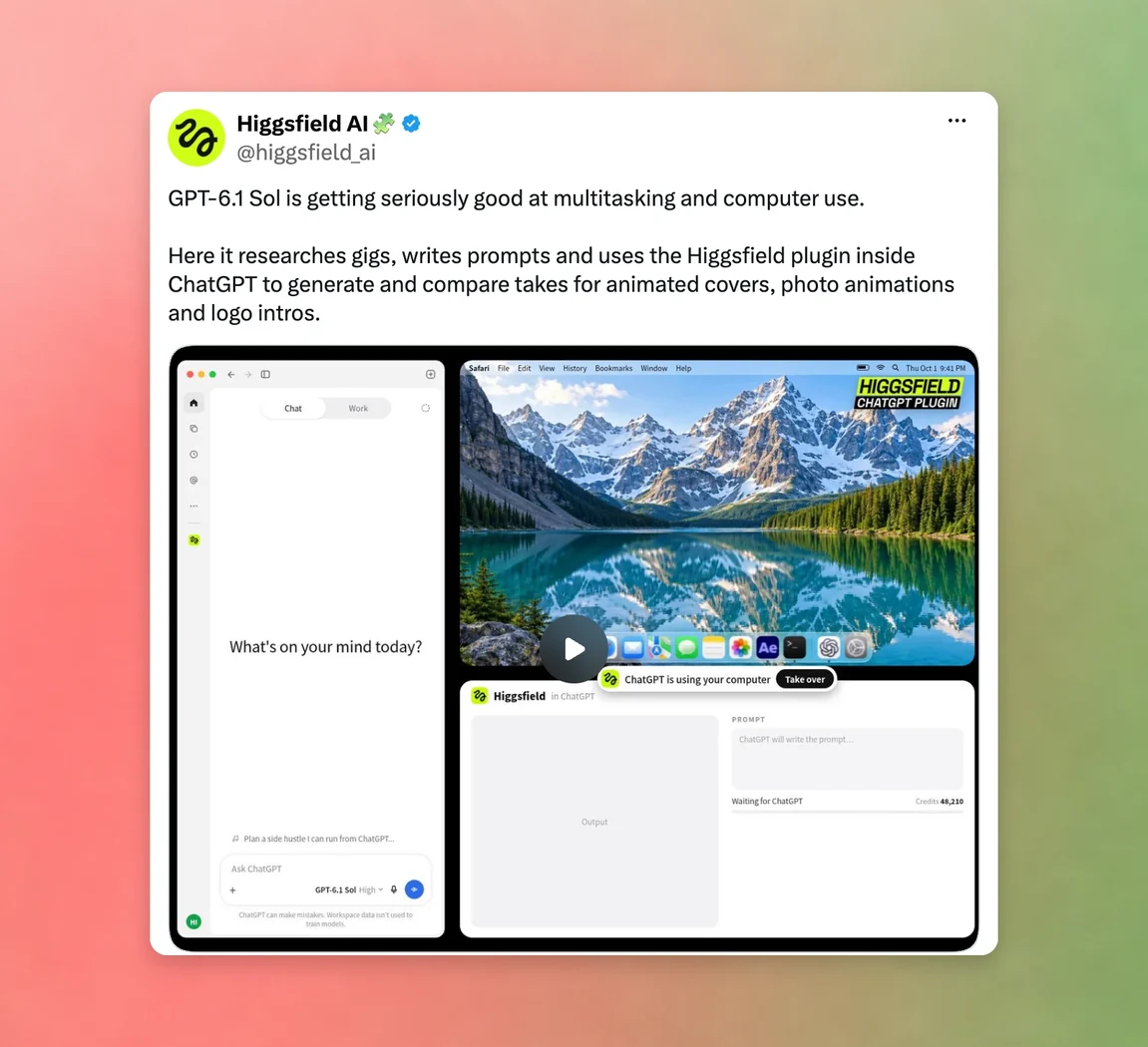
For complex operations requiring multi-step processing over extended timelines, OpenAI provides guidance on keeping model outputs aligned with system goals. Developers are advised to maintain consistent prompt structure, skill definitions, and repository instructions regarding expected deliverables, autonomous actions, and completion standards.
To keep background operations on track without requiring continuous human oversight, applications can leverage steering controls alongside async tools and delegation frameworks. These mechanisms enable models to receive intermediate updates, execute independent sub-tasks concurrently, and coordinate across systems while establishing strict boundaries for when the model must request user intervention.
Optimizing Context, Caching, and Compute Efficiency
Context management plays a critical role in controlling runtime latency and API expenditure in production. OpenAI advises developers to Cut context the task doesn’t need while retaining all essential reference evidence. Furthermore, software architectures should be designed to run independent tasks together in parallel, ensuring that slow individual steps do not delay unrelated processing threads.
For repetitive operational workflows, OpenAI emphasizes prompt caching to minimize token intake costs. Cached input tokens can cost up to 95 percent less than uncached input tokens depending on the active model. To maximize caching efficiency, development teams should place fixed instructions and static reference materials at the start of prompts before changing task details, while maintaining uniform tool definitions across calls. Caching dashboards and diagnostic tools help pinpoint where context reuse fails, allowing teams to factor cache write overhead and long-context rates into total budget estimates.
In multi-turn conversational systems or extended dialogue applications, OpenAI recommends utilizing compaction. This process shrinks context window overhead while maintaining the essential operational state required to continue execution without context degradation.

Pre-Deployment Verification and Production Readiness
Before launching GPT-6 applications into live production, OpenAI outlines key validation checks and deployment prerequisites. Engineering teams are instructed to run representative benchmarks to measure task success rates, end-to-end response latency, and average cost per successful outcome.
Final deployment preparations involve establishing continuous system behavior monitoring, evaluating data security controls, and running through standardized API checklists. By systematically validating model selection, reasoning levels, tool integration, and prompt caching prior to deployment, developers can maintain reliable application performance alongside predictable compute costs.
Sources
- OpenAI NewsA model guide for the GPT-6 family
Continue chronologically


Related entity coverage
Related stories
OpenAI Expands GPT-6 Series with Sol and Luna Models
OpenAI expands its GPT-6 universe by introducing Sol and Luna, two new cost-efficient models offering high performance across coding and professional tasks.

OpenAI Introduces GPT-6.1 Sol Model
OpenAI has introduced GPT-6.1 Sol, bringing near-Astra intelligence to coding, computer use, and professional workflows at lower token pricing.

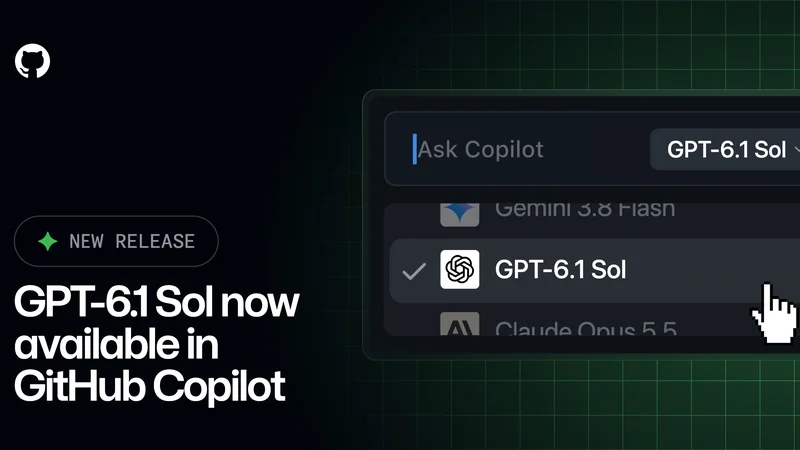
GPT-6.1 Sol Rolls Out in GitHub Copilot for Developers
OpenAI's GPT-6.1 Sol is now generally available in GitHub Copilot, offering efficient agentic coding and terminal workflows with reduced token usage.
OpenAI Introduces Dots: Proactive AI Assistants for Complex Work
OpenAI introduces dots, proactive AI assistants powered by GPT-6 Astra designed to handle complex projects and everyday tasks continuously.