Meta Launches Muse AI Agent on iPad After Mobile Debut
Meta is rapidly expanding the reach and integrations of its Muse assistant by bringing the AI agent to the iPad just a month after its initial mobile debut.
 Radwan AbdulhadiEditor and technology writer
Rapid Expansion to the iPad
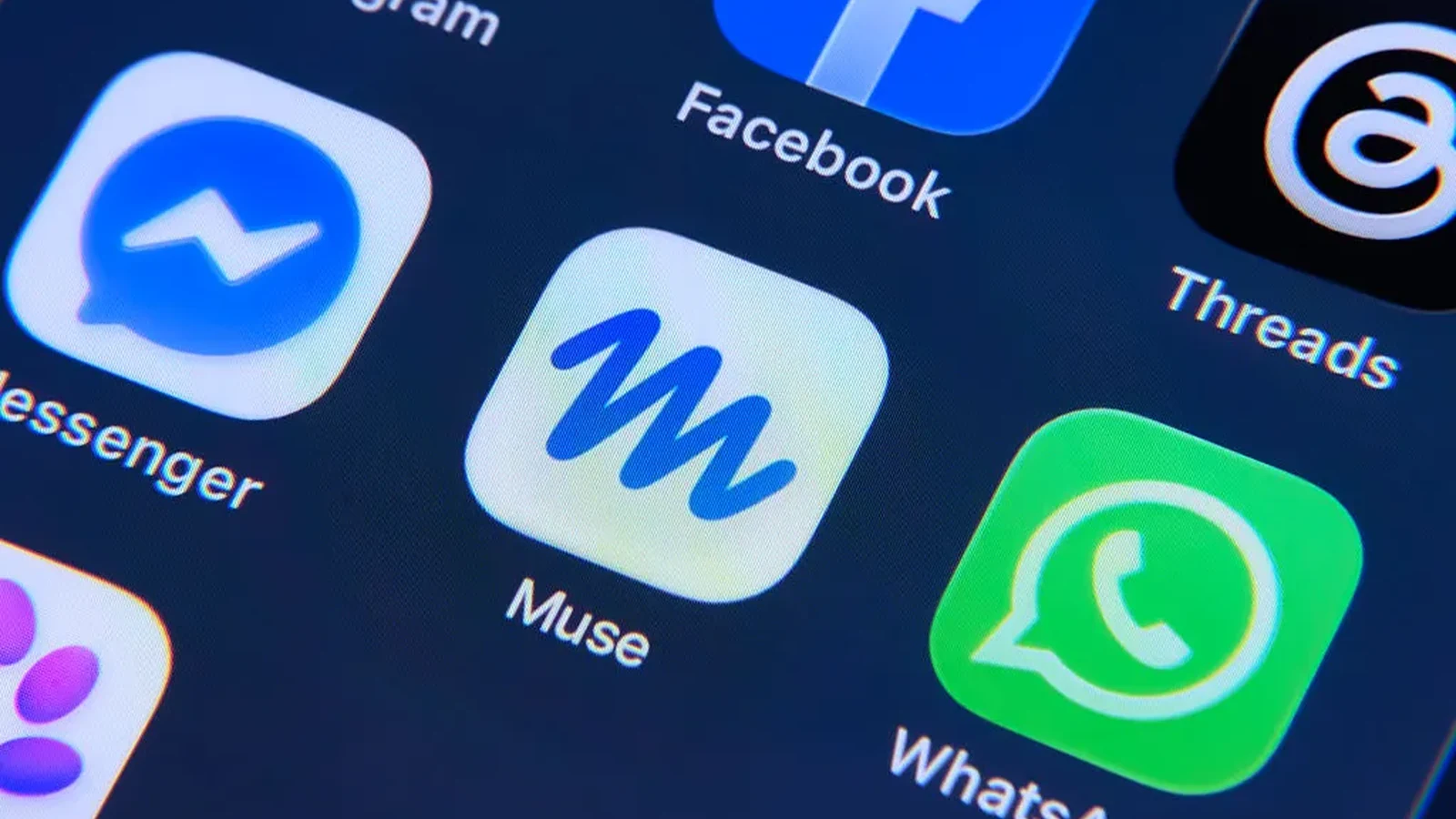
Demonstrating a strong internal commitment to artificial intelligence, Meta announced that its Muse assistant is now available in a dedicated iPad app. This milestone arrives just a month after Muse made its mobile debut on iPhone and Android. To provide perspective, it took Instagram some 15 years to reach the iPad platform despite constant user demand.
Industry observers note that bringing an agent like Muse to the iPad may be less complex due to its text-heavy interface, where image and video resolution and formatting play a smaller role compared to media-heavy applications.
Installs and Core Capabilities
Since launching on iOS and Android on September 8, Muse has accumulated more than 6.6 million installs, according to estimates from market intelligence firm Sensor Tower. The application operates as one of many consumer-facing AI agents on the market.
Muse allows users to connect their accounts to stay on top of emails, meetings, and bills. Furthermore, it can complete practical tasks such as booking reservations, ordering groceries, setting personal goals, and executing purchases.
New Connectors and Business Tools
To enable these capabilities, Meta relies on a network of partners integrated into Muse as "connectors." Users can selectively add and sign in to these services depending on which parts of their digital lives they wish to share with an AI agent.
Alongside the iPad release, Meta has updated this list with several newer additions aimed at small businesses and productivity workflows. The new integrations include Asana, Canva, Dropbox, Figma, QuickBooks, GitHub, Klaviyo, Zoom, Meta ad accounts, Notion, and Granola.
Retail Shopping Partners and Web Access Hurdles
Meta recently announced additional retail partners for Muse, including Best Buy, Gap, Sephora, Walmart, and Wayfair. These partnerships allow the AI agent to shop on the retailers' websites and successfully complete transactions on behalf of users.
Because autonomous AI technology remains relatively new, these shopping experiences can run into hurdles as websites mistake agents for bots and block their access.
Industry Standard Solutions
Addressing these operational roadblocks, Meta announced that it is working with industry partners on a technological solution. This solution takes the form of an open standard that enables personal AI agents to properly identify themselves to businesses.
By establishing a verified identification framework, the proposed open standard aims to help commercial websites successfully distinguish legitimate personal AI assistants from malicious automated bots.
Sources
- TechCrunchMeta’s Muse launches on iPad just a month after its mobile debut
Continue chronologically
Related entity coverage
Related stories
Meta Launches Muse AI Agent Amid Data Privacy Concerns
Meta’s new AI assistant, Muse, is gaining popularity for automating personal tasks, but critics warn the app prioritizes aggressive data collection.

OnlyFans Creators Frustrated by Meta's AI Sexting Rules
Adult content creators are raising concerns over Meta allowing its AI agent Muse to engage in explicit sexting while restricting human users.

Meta’s Muse AI Agent Stirs Big Hopes But Low Business Impact
Meta’s new Muse AI agent has sparked intense corporate discussion, but major companies report minimal transaction volume and low early disruption.

Meta Defends Adult Content Generation on Muse AI Agent
Meta defends allowing its Muse AI agent to generate explicit adult content and sexting, drawing criticism from consumer advocates and privacy experts.