
Language Learning May Boost Cognitive Resilience in Aging
Acquiring a new language engages multiple mental processes, offering a unique form of cognitive exercise that researchers suggest could help maintain brain health as we age.
 Radwan AbdulhadiEditor and technology writer
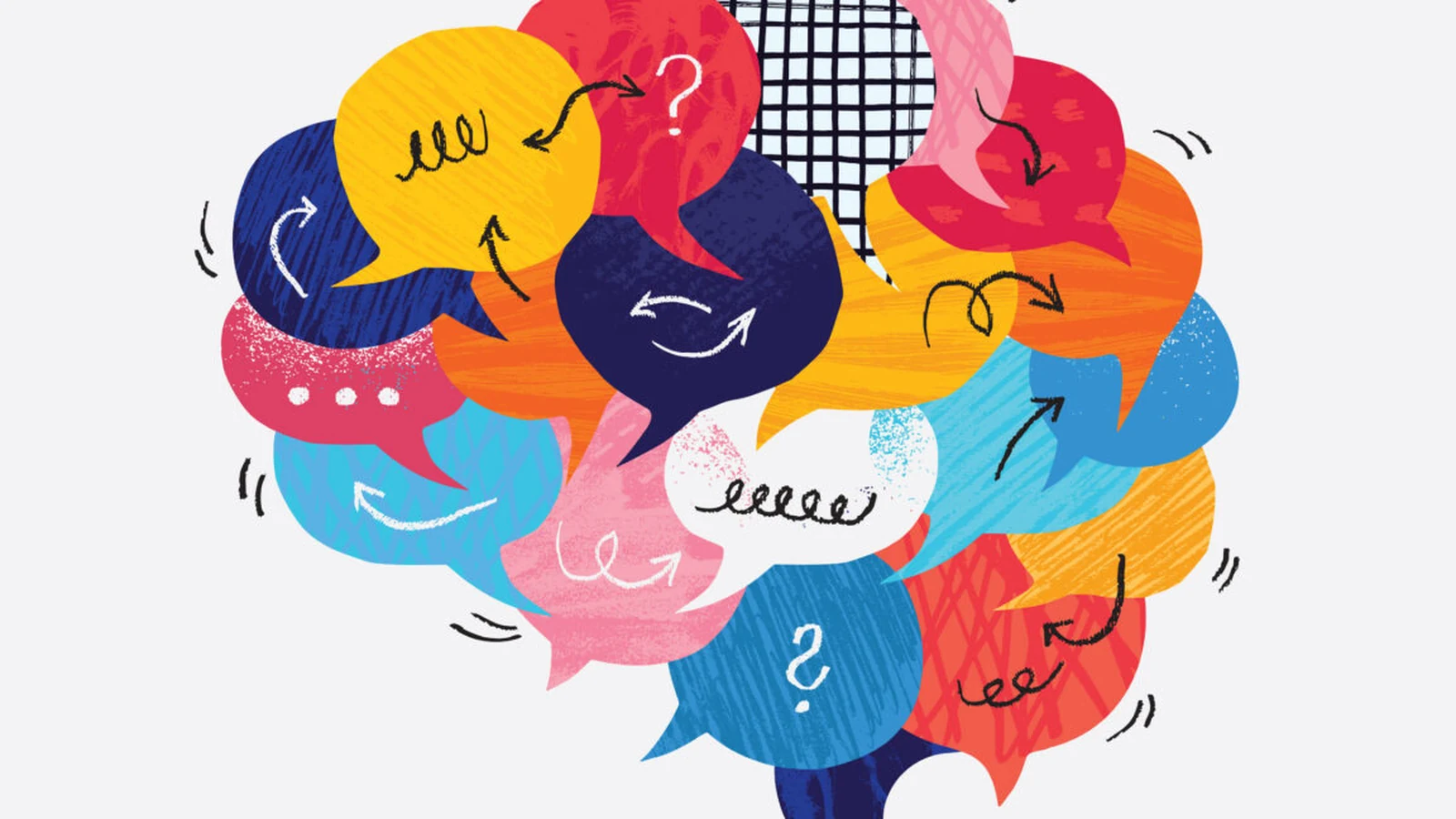
The Complexity of Language Acquisition
Language learning is fundamentally a complex mental activity that forces the brain to juggle various tasks simultaneously. As noted by experts in a recent report from Ars Technica, the process requires individuals to remember vocabulary, discern unfamiliar sounds, recognize linguistic patterns, and apply grammatical rules in real time. This multifaceted effort is a significant departure from simpler brain exercises like crosswords.
Beyond the basic mechanics, this cognitive load involves the need to absorb and retrieve information while actively listening and preparing responses. Because the brain is inherently capable of change, this sustained mental effort triggers neuroplasticity, allowing the organ to form and strengthen connections throughout a person's lifespan.
Structural and Cognitive Impacts
Research into bilingualism has identified observable differences in brain anatomy between those who speak one language and those who speak multiple. Specifically, studies have highlighted greater gray matter density and stronger white matter integrity in bilingual individuals. Research suggests it can be concluded that these structural brain changes reflect the ongoing demands placed on the brain's cognitive control systems.
These findings are tied to the concept of cognitive reserve, which describes the brain's ability to maintain function despite damage or age-related changes. By forcing the brain to manage two sets of rules and vocabulary, bilingualism acts as a rigorous workout that may help the brain cope with the natural progression of aging.
Language and Cognitive Resilience
The focus for researchers is often on how this mental activity contributes to a healthier aging brain healthier. While language learning is not a miracle cure and cannot guarantee the prevention of conditions like Alzheimer’s disease, it has been observed that bilingual individuals often exhibit dementia symptoms at a later age than monolingual peers. This suggests that the primary benefit is an increase in resilience rather than the absolute prevention of disease.
Lifelong Learning Strategies
Adults face a different learning environment than children, often relying on established strategies and larger vocabularies rather than the intuitive pronunciation skills found in younger learners. Despite these differences, the potential benefits for older adults remain a significant area of study. The value appears to be less about reaching total fluency and more about the engagement inherent in the learning process itself.
As outlined in the work of researchers like Karen Stollznow, who wrote the book Beyond Words: How We Learn, Use, and Lose Language, there is no magic number of study hours required to see results. The most effective approach seems to be sustained engagement with a challenging new skill, whether through formal classroom instruction or digital apps, to support long-term cognitive health.
Sources
- Ars TechnicaLearning another language may be one of the best ways to keep your brain healthy