Nvidia Shield TV Pro Gets 50% Price Hike Due to AI Shortage
Nvidia has raised the price of the Shield TV Pro by $100, bringing its retail cost to $299.99 amid widespread component and memory cost increases linked to the artificial intelligence boom.
 Radwan AbdulhadiEditor and technology writer
A Shocking Price Increase for Aging Hardware
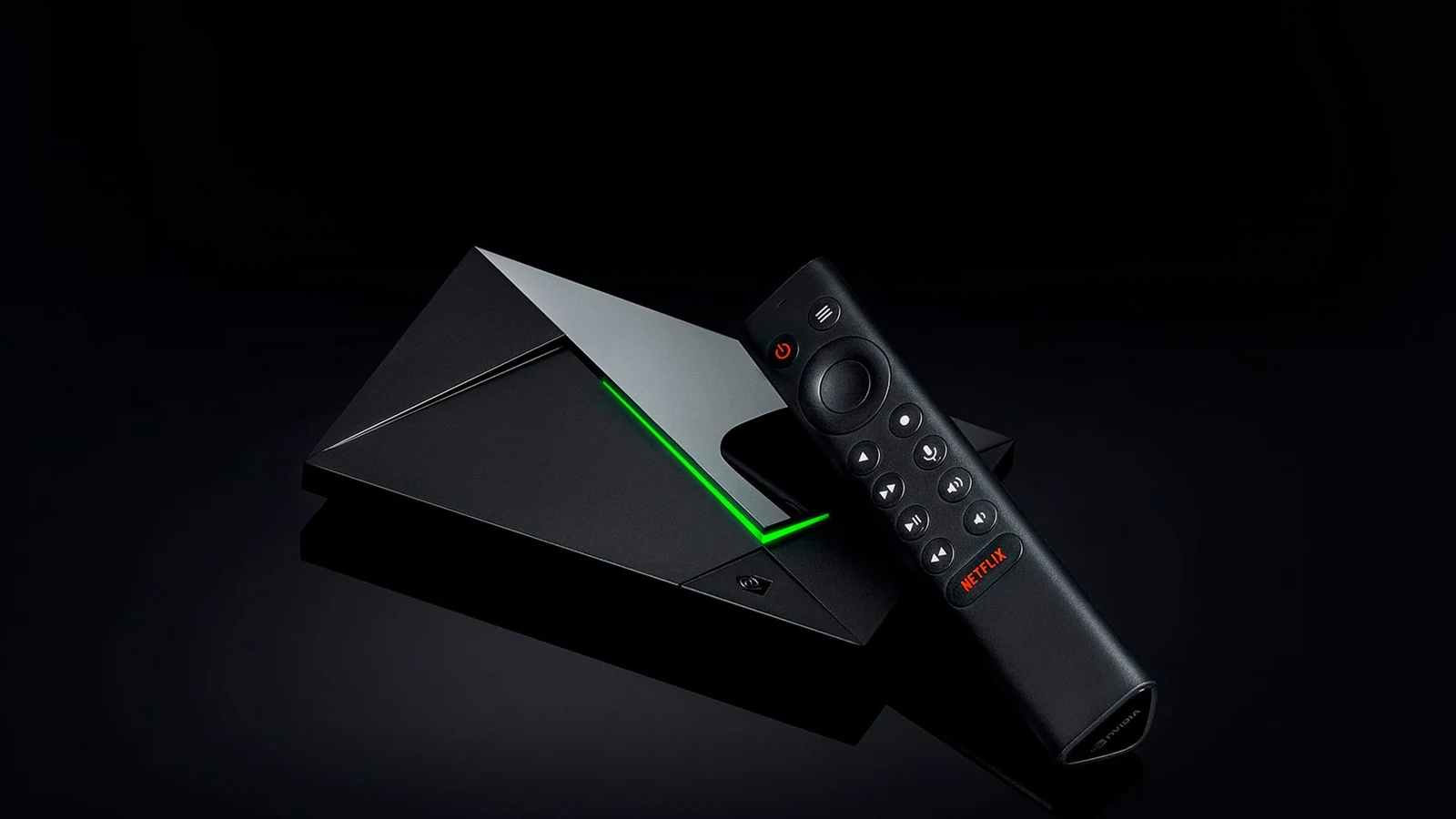
The long-running Android TV streaming device from Nvidia has experienced an unexpected and dramatic price adjustment. Nvidia has increased the price of the Shield TV Pro from its original launch price of $199.99 to $299.99, marking a $100 surge despite the device receiving no major hardware refresh. The new pricing structure is officially listed on Nvidia’s website, with the company pointing directly to rising component costs driven by AI developments across the wider technology sector.
An Nvidia spokesperson addressed the adjustment in a statement, explaining the changes to the market. A detailed breakdown of the situation and market reaction can be found through coverage by Ars Technica. The spokesperson stated, "Starting October 2, SHIELD Pro will be priced at $299. The cost of components, including memory, has increased substantially across the industry."
Discontinuation of the Entry-Level Shield TV
Alongside the notable price hike for the premium model, Nvidia has also moved to phase out its base-tier offering. Reports indicate that the standard, non-Pro entry-level Shield TV has been officially discontinued. With production on the base model reportedly halted, the Shield TV Pro remains the only streaming device carrying the Shield brand that the company currently offers to consumers.
The supply chain constraints affecting manufacturing have made new units scarce over recent months. While the device remains out of stock on Nvidia’s store, buyers looking to acquire the hardware have checked alternative retailers such as Best Buy, where fluctuating inventory and previous pricing models have occasionally appeared.
Hardware Specifications and Capabilities
Even though it has been on the market for roughly seven years, the Shield TV Pro continues to hold a distinct position in the living room ecosystem. The set-top box operates on the company’s Tegra X1+ processor, supplemented by 3GB of RAM and 16GB of internal storage. Furthermore, it incorporates two USB 3.0 ports, Gigabit Ethernet, and support for external storage drives, making it a popular choice for power users managing local media libraries and Plex setups.
Performance-wise, the unit supports 4K HDR playback at 60 FPS alongside advanced video technologies like Dolby Vision HDR, HDR10, and AI-enhanced upscaling. Audio capabilities are similarly extensive, offering high-res audio support including Dolby Digital, Dolby Digital Plus, Dolby Atmos, and DTS-X surround sound formats. For gaming enthusiasts, the inclusion of Nvidia’s GeForce Now cloud gaming service and compatibility with Android games gives the system functional advantages over standard media streamers.
Broader Industry Trends and Supply Chain Pressures
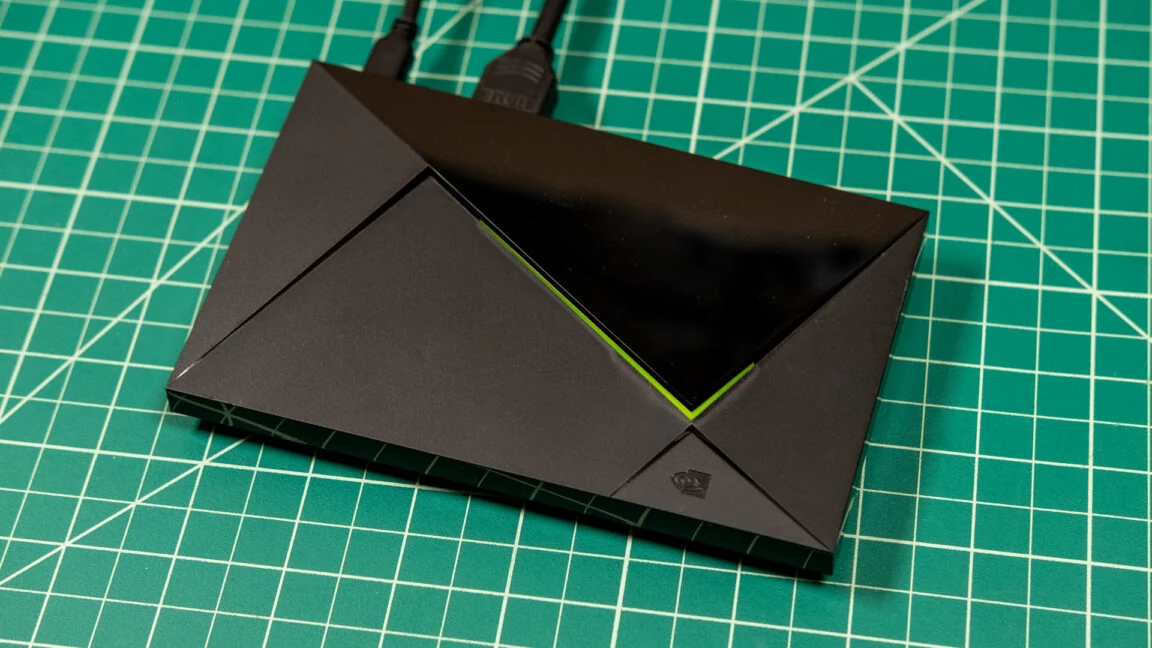
The price escalation for the Shield TV Pro reflects broader economic pressures sweeping through technology hardware supply chains in 2026. As generative artificial intelligence infrastructure rapidly expands, data centers continue to consume vast amounts of the world's memory and storage supply. This heavy industrial demand has pushed component expenses higher, forcing hardware manufacturers across consumer electronics to pass these rising costs on to buyers.
Nvidia itself plays a leading role in the AI market through its high-demand accelerators and GPUs, making it a central player in the very component scarcity affecting its own consumer hardware products. Similar pricing adjustments have rippled across the gaming and entertainment hardware sectors, impacting modern consoles and living room devices alike as manufacturers navigate the tightening availability of critical semiconductor and memory components.
Sources
- Tom's Hardware7-year-old Nvidia Shield TV Pro gets shocking 50% price hike driven by AI memory shortage
- Ars TechnicaThe 7-year-old Nvidia Shield TV is now $100 more expensive due to AI
Continue chronologically

Related entity coverage
Related stories
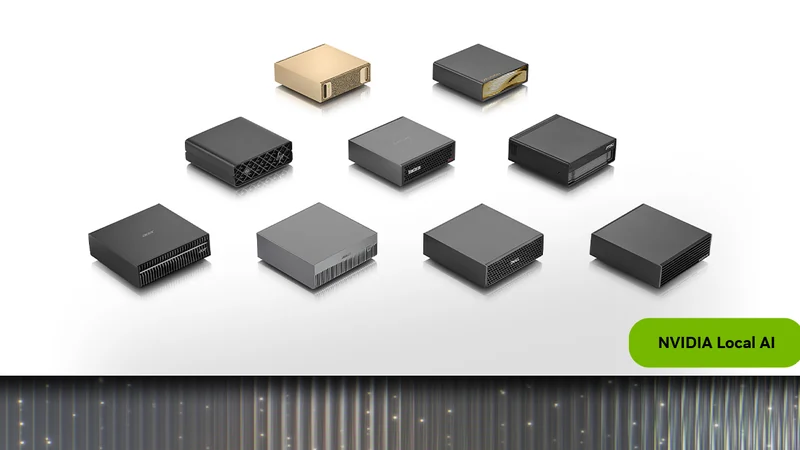
NVIDIA DGX Spark 64GB Launches Local AI Development
NVIDIA announces the DGX Spark 64GB personal AI supercomputer, featuring unified memory and partner support starting at $4,999.
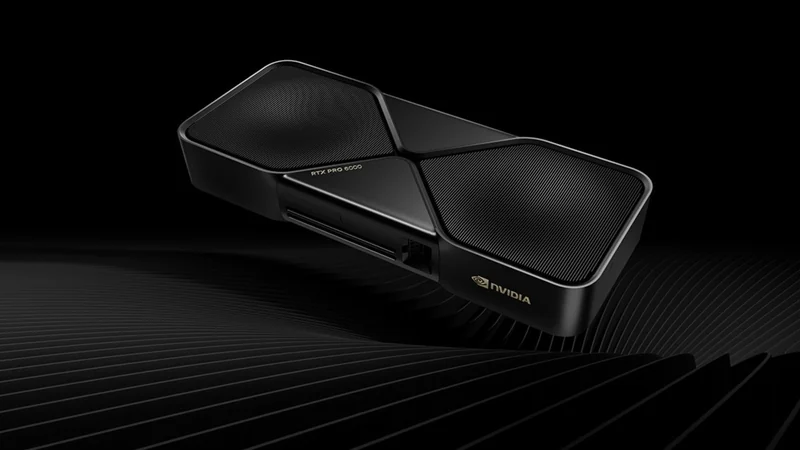
Why NVIDIA's $16,000 RTX PRO 6000 Is Not Built For Gaming
Explore why NVIDIA's powerful RTX PRO 6000 workstation GPU costs $16,000, features 96GB of memory, and targets professionals instead of gamers.
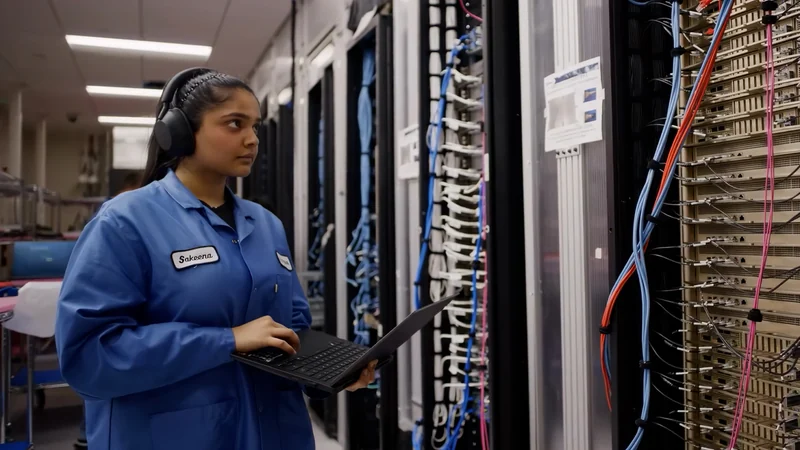
Sakeena Fiza Drives NVIDIA Hardware Success at Scale
Discover how validation engineer Sakeena Fiza helps turn cutting-edge NVIDIA hardware into dependable infrastructure for the AI era.
MSI Stealth A18 AI+ RTX 5090 Laptop Gets $520 Discount
Discover a major $520 discount on the MSI Stealth A18 AI+ gaming laptop featuring an RTX 5090 GPU, 64GB DDR5 RAM, and a 2TB SSD.