AI Game Clones Force Indie Developers to Hide Their Work
As AI coding tools streamline the replication of game presentations and mechanics, independent developers are growing increasingly cautious about sharing early work and public demos too widely.
 Radwan AbdulhadiEditor and technology writer
The Rise of Efficient AI Cloning
The video game industry has long [has been built] on developers creating clones of competing games with varying levels of originality and platform enforcement. However, modern AI coding tools have made that cloning process remarkably efficient, causing many independent creators to become exceptionally cautious about sharing their early work too widely.
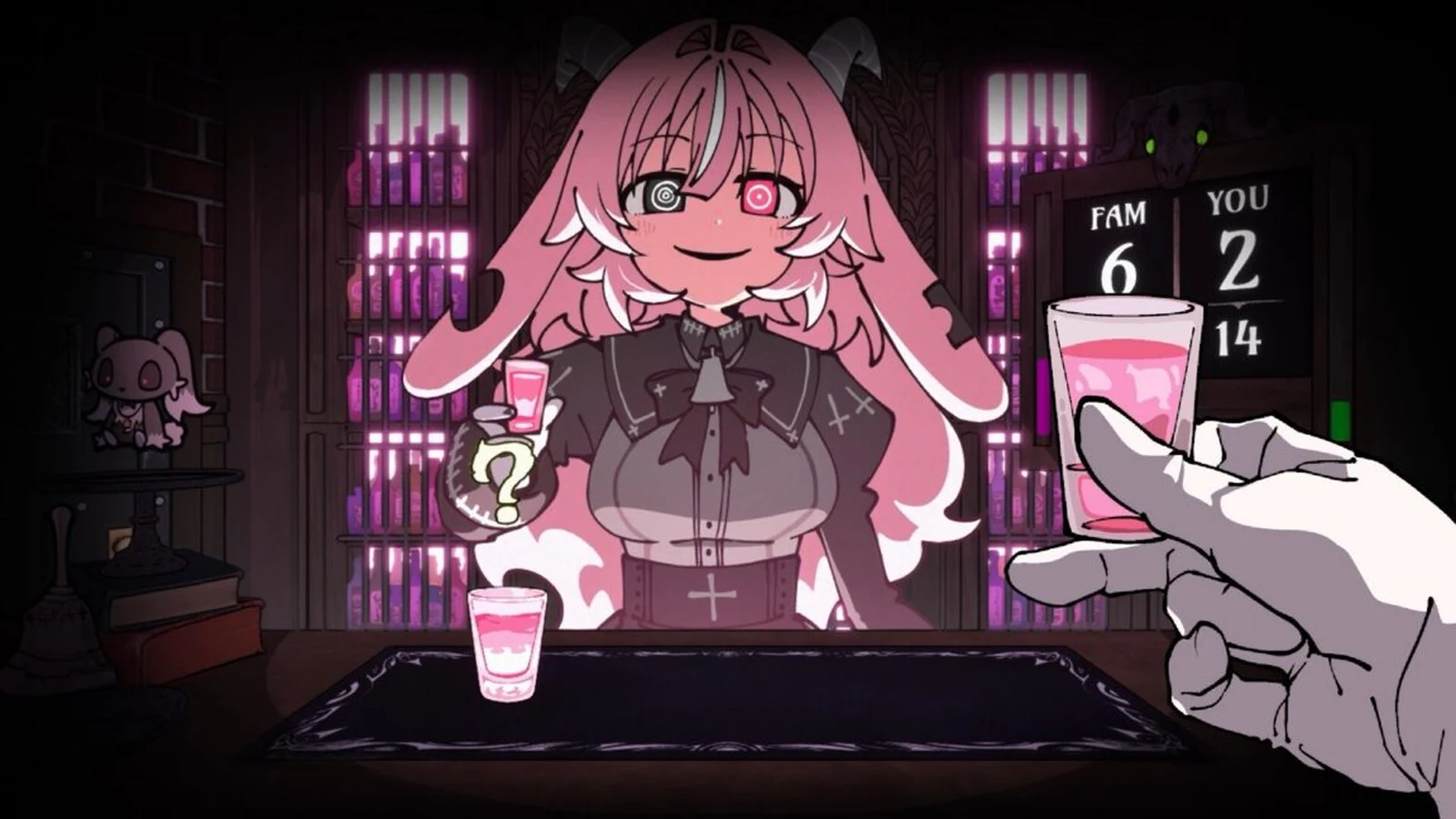
This growing trend was highlighted recently by developer Alliance Arts, which decided to delay the launch of a planned public demo for its demon-themed Russian Roulette drinking game [Drunken Goddess Reflux]. The demo had originally been set to go live alongside [today’s launch of Steam Next Fest].
Concerns Over Replicated Demos
In [a post on social media Friday evening], the Alliance Arts team explained that beyond managing streaming restrictions, they feared the demo's content could be utilized to quickly imitate or replicate the game's presentation and gameplay using AI or other tools before their official release.
To mitigate these risks, the developer has shifted strategy and now plans to share the demo exclusively in closed sessions with participants who agree to specific rules regarding posting and streaming gameplay footage.
Broader Industry Hesitation
Alliance Arts is not alone in adopting a defensive stance toward sharing unreleased ideas. Papers, Please developer Lucas Pope [said on an April podcast] that creators often avoid discussing active projects out of concern that their ideas will be absorbed by AI or copied by others.
Viral Prototypes and Preemptive Copies
Fears of ideas getting absorbed by automated tools have extended past theoretical discussions. Earlier this year, developer Freya Holmér shared a video prototype of a Tetris-style game built around a central rotating pivot point, which quickly attracted viral social media attention.
Days after sharing the footage, Holmér encountered multiple vibe-coded copies that made the core concept widely playable before the original version could be officially released.
The Dilemma of Promotion
McPixel developer Sos Sosowski has documented numerous complaints from fellow indie developers facing wholesale copies of their efforts generated by AI. According to Sosowski, this puts creators in a difficult bind when trying to promote their work, forcing a choice between getting no sales by staying silent or having their concepts stolen by sharing them.
While some creators believe that heightened complexity and originality serve as strong protection against blatant clones, others continue to navigate the challenges of building polished versions despite the early presence of automated knockoffs.
Sources
- Ars TechnicaAI game clones are making indie developers afraid to show their work
Continue chronologically


Related stories
Steam Games Earn $560K, But Co-Creator Nets $15K Annually
A game developer breaks down how high Chinese refund rates, platform fees, and publisher cuts reduce $560,000 in gross revenue to modest earnings.
Reddit to Require User Login as Search Traffic Drops
Reddit plans to shift to a logged-in-only experience as search referrals decline, starting with tests in select non-US markets.

Jailbroken PS5s Can Now Run Steam PC Games Locally
Jailbroken PlayStation 5 consoles can now run Steam PC games using a newly adapted launcher that creates individual home screen tiles.

Gears of War: E-Day Launches on GeForce NOW
Gears of War: E-Day leads the GeForce NOW lineup this week, bringing cloud-based RTX performance, new game releases, and upcoming Fire TV integration.