
Google DeepMind Unveils SynthID Bio for Proteins
Google DeepMind has introduced a proof-of-concept watermarking technology designed to embed imperceptible signatures directly into synthetic biological code while preserving critical laboratory functions.
 Radwan AbdulhadiEditor and technology writer
Introducing SynthID Bio for Synthetic Biology
Google DeepMind has introduced SynthID Bio, a family of watermarking methods developed specifically for synthetic biology to strengthen biosecurity and scientific integrity. Generative artificial intelligence is increasingly helping scientists address critical biological challenges, from predicting protein structures to designing entirely new proteins and developing new bacteriophages.
While these generative tools accelerate research and therapeutic development, they also introduce distinct challenges. Novel artificial intelligence designs can bypass traditional DNA synthesis screening, while mislabeled synthetic three-dimensional structures risk polluting public databases and misleading future research. SynthID Bio aims to address these concerns by embedding an imperceptible signature directly into the biological code.
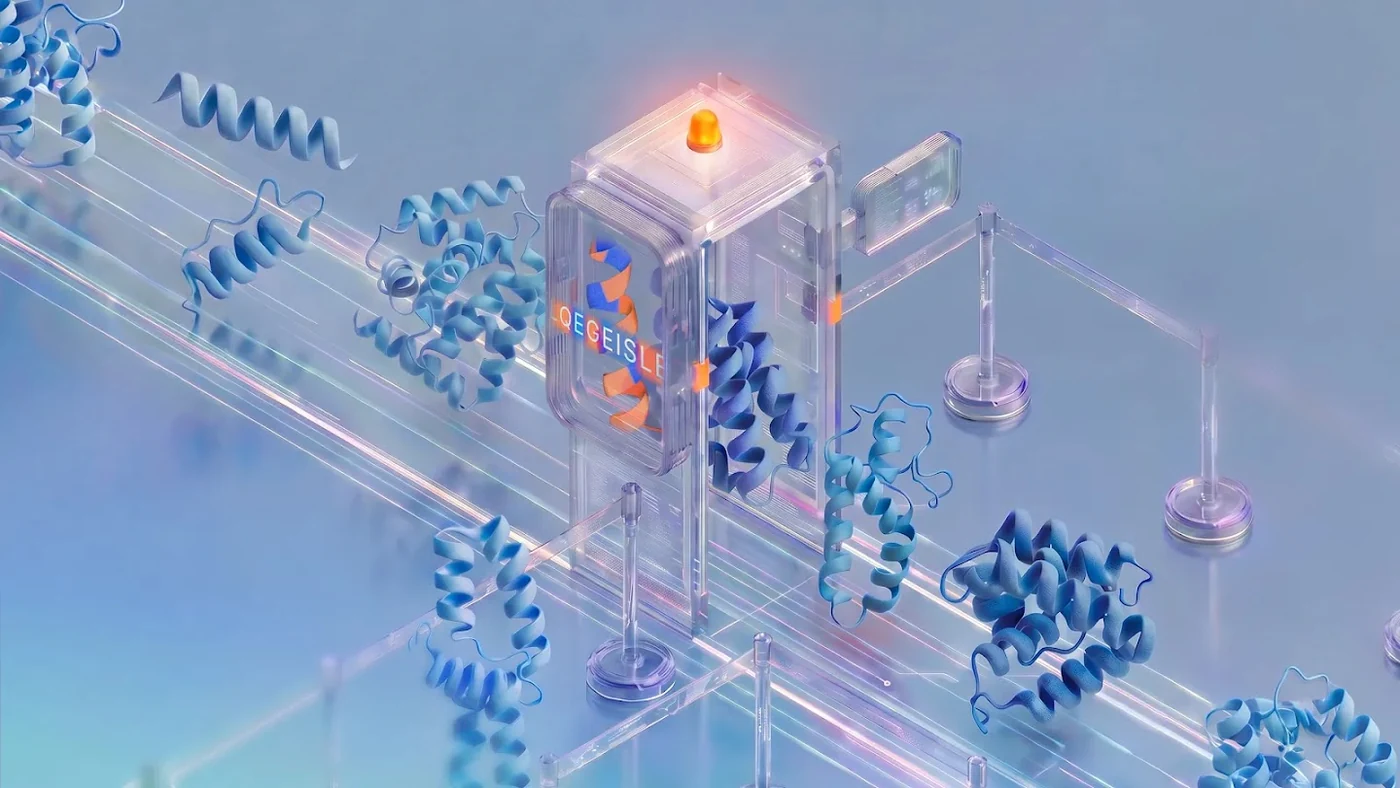
Preserving Biological Function in Laboratory Testing
To verify the new watermarking approach, researchers tested protein binders built to selectively latch onto other targets. The team utilized AlphaProteo alongside a SynthID Bio-enabled version of ProteinMPNN, a commonly used protein sequence generation method.
In subsequent wet-lab testing across three target proteins—including VEGF-A, the SARS-CoV-2 spike protein RBD, and PD-L1—the watermarked designs matched the hit rate, binding affinity, and natural sequence diversity of unwatermarked versions. These experiments successfully created the first-ever watermarked and biologically functional protein binders without compromising their ability to treat diseases.

Integration With AlphaFold 3
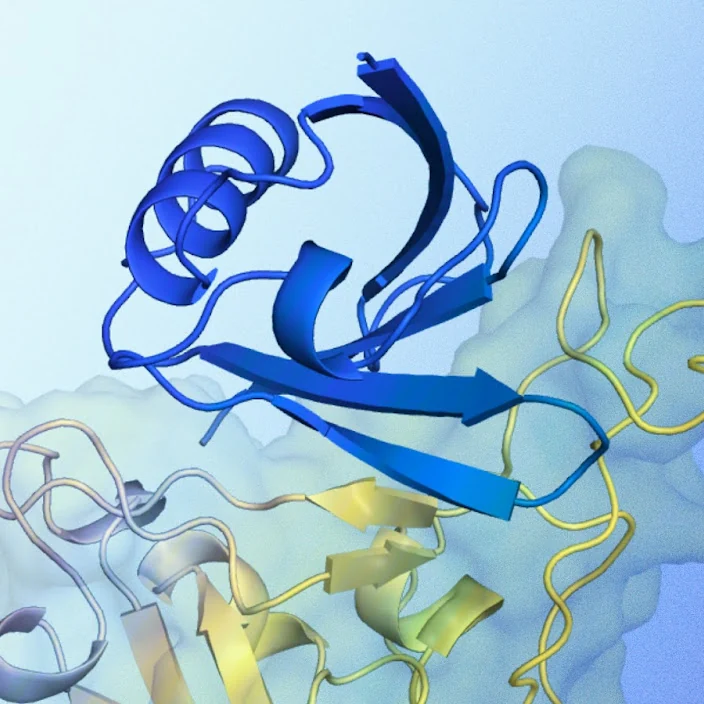
For protein folding applications, SynthID Bio fine-tunes a small part of AlphaFold 3's diffusion network. This integration builds watermarking capabilities directly into the model's weights, ensuring that predicted three-dimensional coordinates inherently carry a detectable signature regardless of who runs the software.
According to the researchers, the method preserves prediction accuracy while offering near-perfect detectability. The watermarked outputs maintain key structural feature distributions and hold up reliably against digital noise or minor coordinate changes during computational processing.

Strengthening Biosecurity and Information Integrity
Biosecurity infrastructure relies heavily on layered defenses, and digital watermarking serves as a tangible verification layer embedded directly within biological designs. Experts note that linking digital designs to their original model developers empowers providers to streamline screening processes for trusted customers.
Because advanced algorithms can generate entirely new sequences with little resemblance to known hazards, traditional screening workflows face severe bottlenecks. SynthID Bio can provide an automated verification signal, proving an order originated from a trusted model equipped with built-in safeguards, helping focus manual reviews on unfamiliar or high-risk sequences.
Furthermore, the approach can help maintain database reliability across open repositories like UniProt and GenBank. Because mislabeled entries can have an outsized negative impact in biosecurity decision-making, automated watermarking provides a reliable mechanism to flag synthetic submissions.
Expanding to Complex Biological Objects
As frontier artificial intelligence capabilities continue to expand, researchers are exploring how to apply watermarking techniques to more complex biological objects. In ongoing collaborative work with the Hie lab at Stanford University and the Arc Institute, Google DeepMind integrated SynthID Bio into Evo 2, an advanced genomic model.
This integration successfully watermarked the genome of an Evo 2 designed bacteriophage. Early laboratory testing in bacterial cultures confirmed that these watermarked bacteriophages remain functional, marking an important step toward managing biosecurity risks associated with advanced synthetic genomics.
Sources
- Google DeepMindIntroducing SynthID Bio