
OpenAI Introduces Dots: Proactive AI Assistants for Complex Work
OpenAI has announced the roll-out of dots, a new category of proactive AI agents built on GPT-6 Astra to manage complex projects and everyday workflows across multiple platforms.
 Radwan AbdulhadiEditor and technology writer
Introduction to OpenAI Dots
OpenAI has officially launched dots, described as remarkably capable and always-on agents built to handle a wide range of responsibilities. According to the official [OpenAI News](https://openai.com/index/introducing-dots/), dots represent a whole new way to work with artificial intelligence by learning what matters to users, working on their behalf 24/7, and managing important tasks to save time and attention.
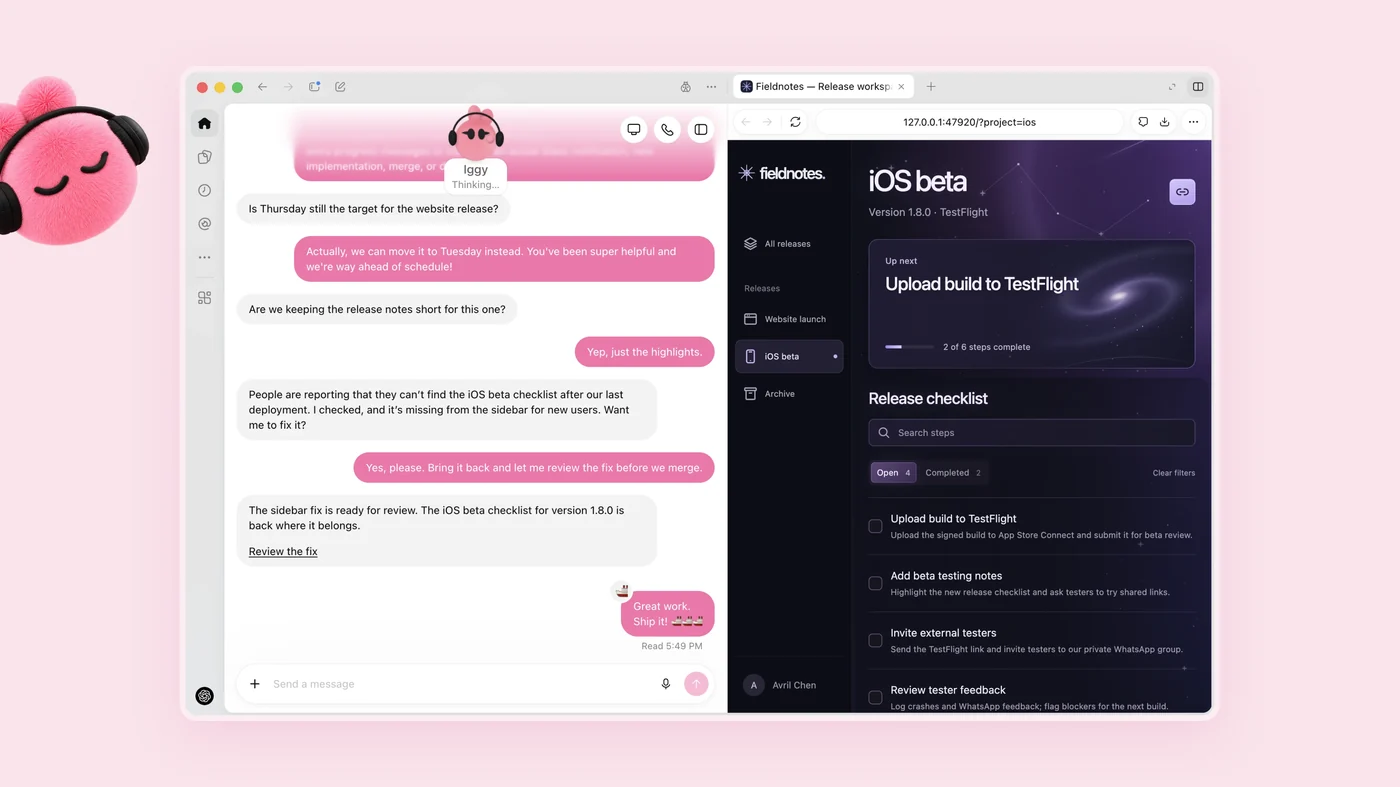
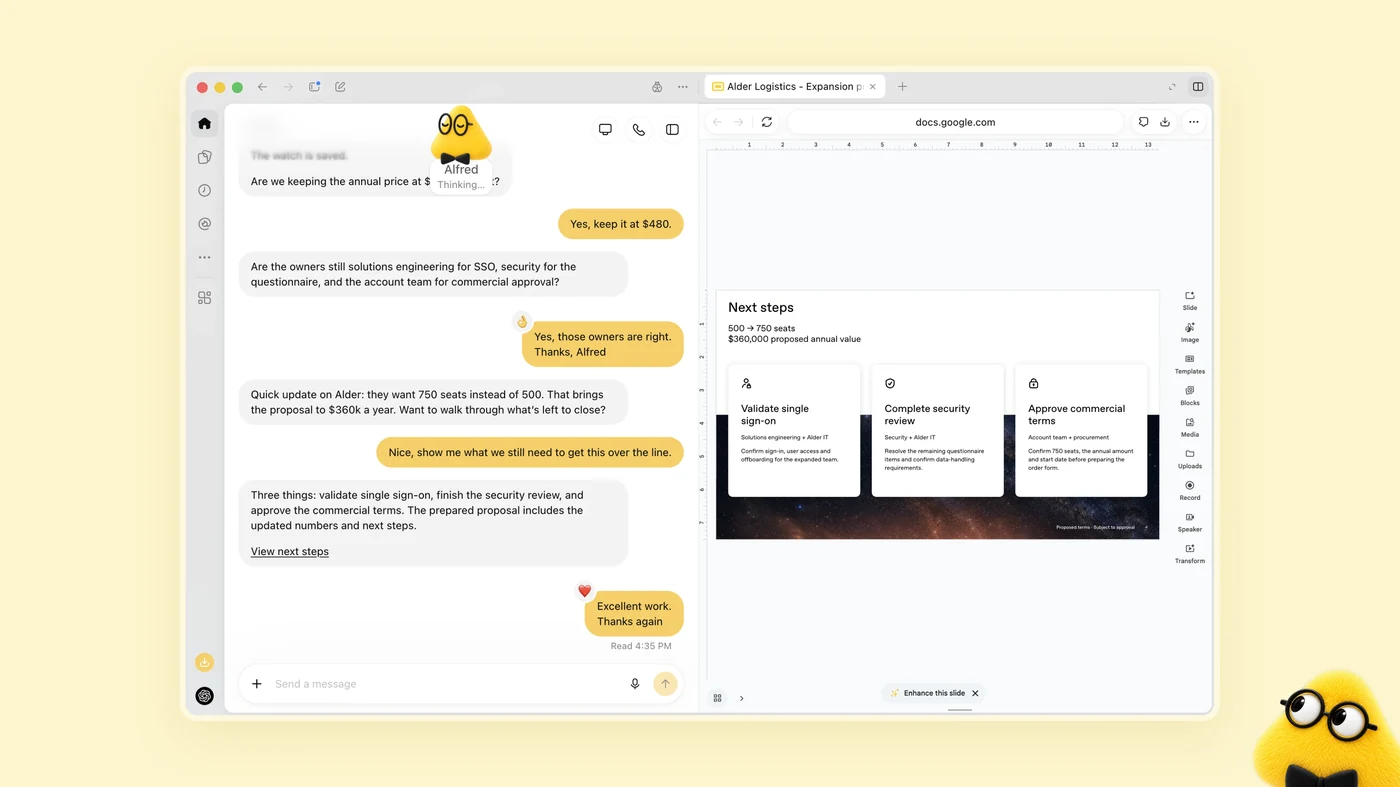
Powered by GPT-6 Astra, these proactive assistants feature their own cloud computer, learn from ongoing feedback, and connect to more than 4,000 applications through an ecosystem of plugins. Users can reach their dot via ChatGPT, Slack, or Teams to ask questions, explore ideas, or engage in voice calls.
Deployment Across Plans and Specialist Options
OpenAI is beginning to roll out dots across Pro, Business Premium, and Enterprise plans in eligible markets, with plans to expand availability to more users soon. Users can start with a primary dot, assign it a name, and customize it for personal workflows. Over time, the company envisions teams of dots working collaboratively on behalf of users.
Additionally, OpenAI is sharing a preview of specialist dots equipped with distinct identities for access management, IT-provisioned hardware, and deep integrations with corporate systems of record. Organizations looking to adopt these agents can reach out directly via [Contact sales](https://openai.com/contact-sales/) to explore tailored deployments.
Capabilities Across Industries
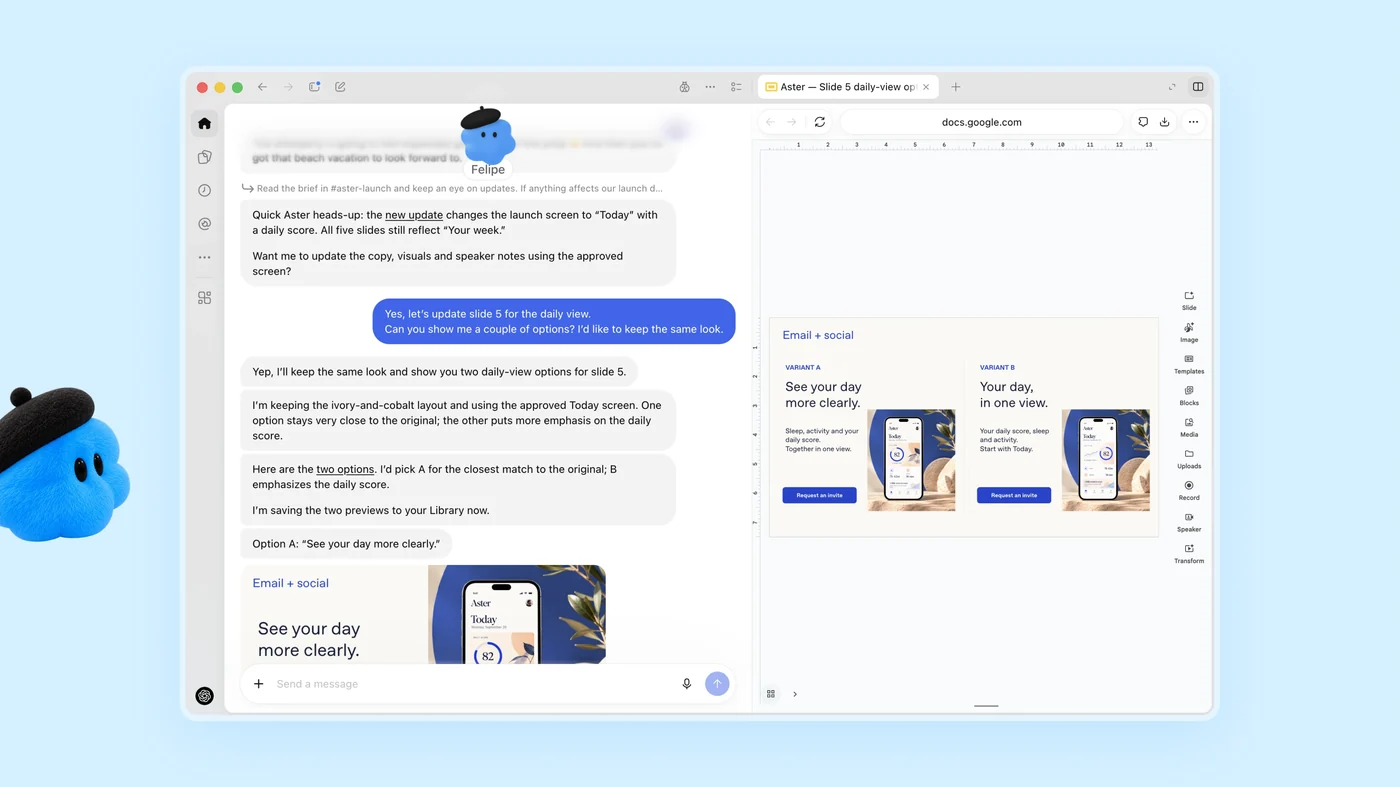
Dots are designed to run with projects autonomously while monitoring multiple threads simultaneously. For software developers, a dot can track customer feedback, scope bug fixes, build and test changes, and return complete pull requests with attached video demonstrations. Product leads can rely on dots to adapt launch materials when project scopes shift.
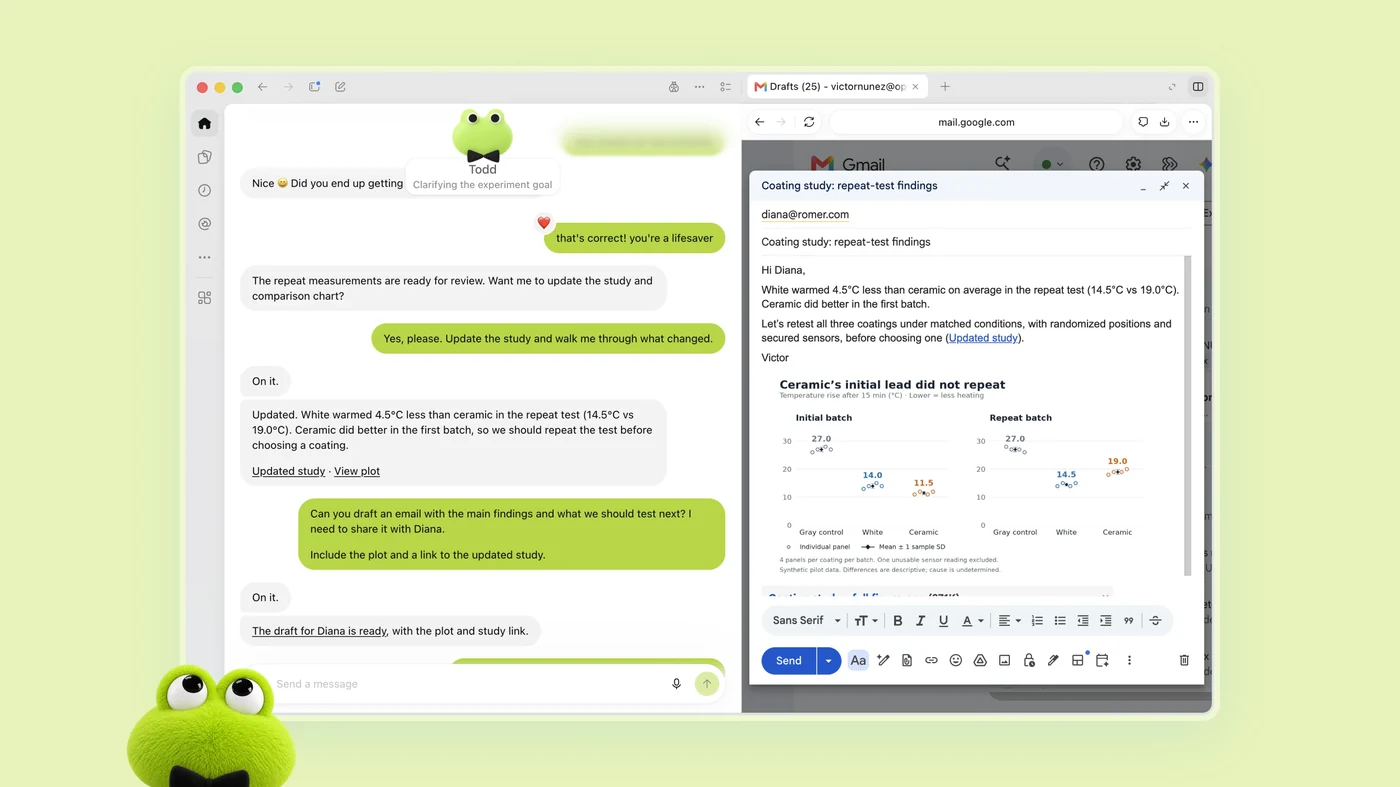
In scientific research, dots can rerun analyses when new data arrives and update figures for papers. Sales teams can utilize dots to verify customer requirements against product documentation and build proofs of concept, while content creators can leverage them to identify interview clips and draft social media posts.
Safety, Privacy, and Background Controls
To ensure secure operations, dots incorporate [additional safety and privacy safeguards](https://openai.com/index/how-we-build-safety-security-and-privacy-into-dots/) built directly into their framework. Each dot operates on an isolated cloud computer, keeping the user's local machine separate unless explicit connection permission is granted. Saved passwords can be utilized for supported websites without exposing credentials directly to the model.
When not actively collaborating, dots engage in proactive research using connected apps restricted to read-only tools. Built-in safety monitors guard against malicious instructions and can pause or stop tasks if potential harm is detected. Users maintain granular control over app permissions, rules, and activity tracking through standard ChatGPT controls.
Data Governance and Workspace Controls
Data privacy is a central focus of the dots release. OpenAI states that content from ChatGPT Business, Enterprise, and Edu workspaces is not used to improve models by default. For personal plans, users can manage data sharing settings by reviewing the [improve our models](https://help.openai.com/articles/7730893-data-controls-in-chatgpt) documentation to control whether conversations and tasks contribute to model training.
Sources
- OpenAI NewsIntroducing dots
- AWS Machine Learning BlogIntroducing Claude Sonnet 5.5 on AWS