
Google Play Expands Subscription Tools for AI and Apps
Google Play is expanding its subscription platform with new flexible monetization models, multi-quantity purchases, and advanced retention tools designed to help developers scale sophisticated app experiences.
 Radwan AbdulhadiEditor and technology writer
The Evolution of App Subscriptions
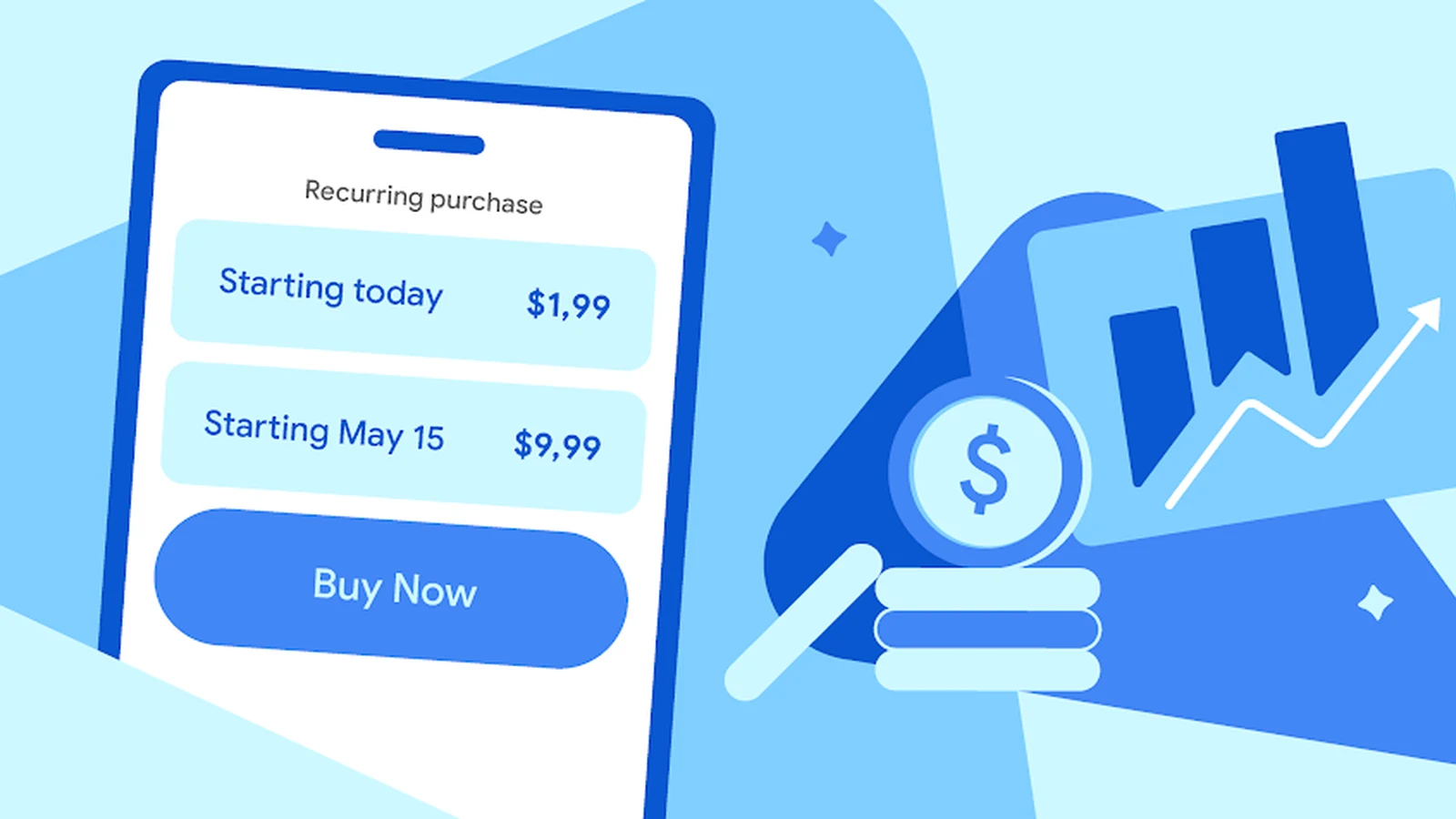
The subscription landscape is evolving rapidly alongside the surge of generative AI and increasingly sophisticated app experiences. To help developers monetize effectively and improve the lifetime value of recurring purchases, the platform team is continuously expanding its offerings. More details can be found via the [Android Developers](https://android-developers.googleblog.com/2026/09/unlocking-Google-play-subscription-growth.html) portal, highlighting capabilities tested and rolled out to support the next generation of digital subscriptions.
Developers building generative AI tools, entertainment options, educational platforms, and business solutions require adaptable pricing models. These packaging choices help scale access beyond individual users while capturing higher cart values at checkout.
Flexible Monetization Models for Teams and AI
To support collaborative, team-wide, or group usage, the platform is introducing multi-quantity subscription purchases. This feature enables users to buy multiple subscriptions in a single transaction and assign those seats to team members or students. It serves as a significant addition for productivity, EdTech, and generative AI developers.
Additionally, usage-based billing addresses apps with variable computing costs, such as AI generation tools. This capability lets developers set up prepaid metered billing where users automatically top up their balances whenever funds fall below a specific threshold, ensuring uninterrupted service while protecting margins.
Streamlining Checkout with Mixed Carts and Bundles
Historically, subscriptions and one-time products required separate transactions. The new mixed carts feature bridges this gap by letting users buy auto-renewing subscriptions alongside one-time products within a single API call and unified checkout sheet. This creates powerful upsell opportunities, such as discounted bundles combining subscriptions with complementary in-app items.
Furthermore, cross-developer bundling allows creators to partner across apps or combine offerings within their own portfolios. By selling a hard bundle of two or more complementary subscriptions through a single SKU, creators can share acquisition benefits and reach new audiences.
Broader news and insights regarding tools and events can be followed through the [Android Developers Blog](https://android-developers.googleblog.com) for ongoing ecosystem updates.
Managing Billing Lifecycles and Reducing Churn
Acquiring a subscriber is only the initial step toward sustainable growth. To minimize friction across billing lifecycles, the ecosystem now offers the In-App Messaging API. This tool allows developers to prompt users to resolve payment declines or notify them of upcoming price changes directly inside the app experience.
When subscribers consider leaving, retention offers can display developer-funded incentives directly within the cancellation flow. If a user is not eligible for a discount, a plan change can suggest a lower-priced tier to keep them engaged instead of losing them entirely.
Winback Offers and Automated Revenue Protection
Canceled subscriptions do not necessarily mark the end of a user relationship. Native winback offers reach former subscribers directly on the Play Store, presenting personalized incentives that make returning seamless without relying solely on traditional email or push notification campaigns.
Behind the scenes, the ecosystem provides zero-lift optimizations to grow subscriber bases and reduce involuntary churn without requiring extra developer code. Smart payment retries, backup payment methods, intelligent grace period reminders, and robust fraud prevention systems work continuously to safeguard developer revenue.
Sources
- Android DevelopersDriving growth on Google Play: The next era of subscriptions