Apple Prepares First Dedicated Smart Home Event
Apple is hosting its first-ever dedicated smart home event in New York City, introducing new hardware and software capabilities designed to revamp its ecosystem.
 Radwan AbdulhadiEditor and technology writer
The Welcome Home Experience
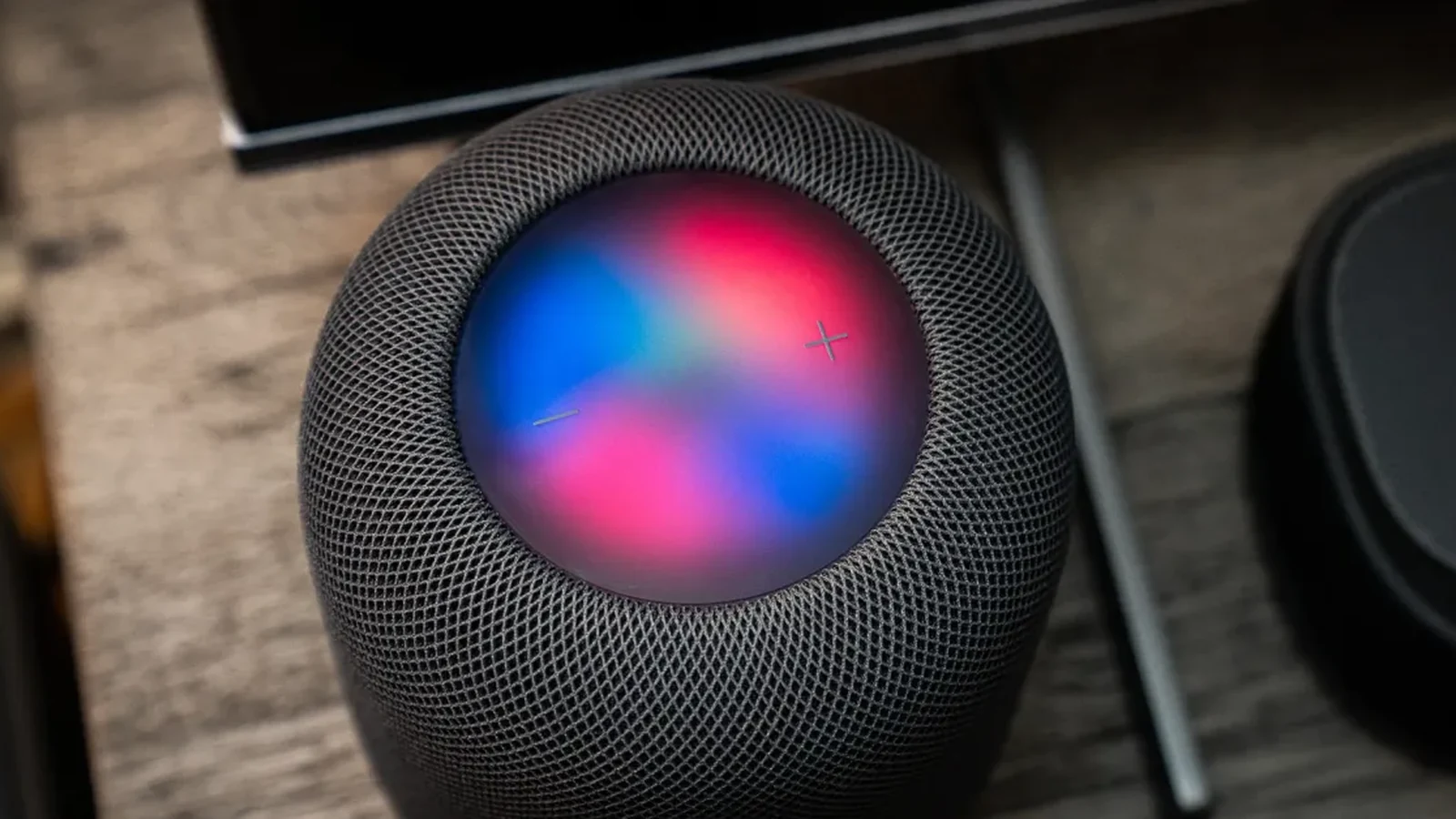
Apple is hosting its first-ever dedicated smart home event this week in New York City. While specific details have been kept under wraps for the "Welcome Home experience" in New York City on Tuesday, October 13th, industry expectations point directly toward new Apple Home hardware.
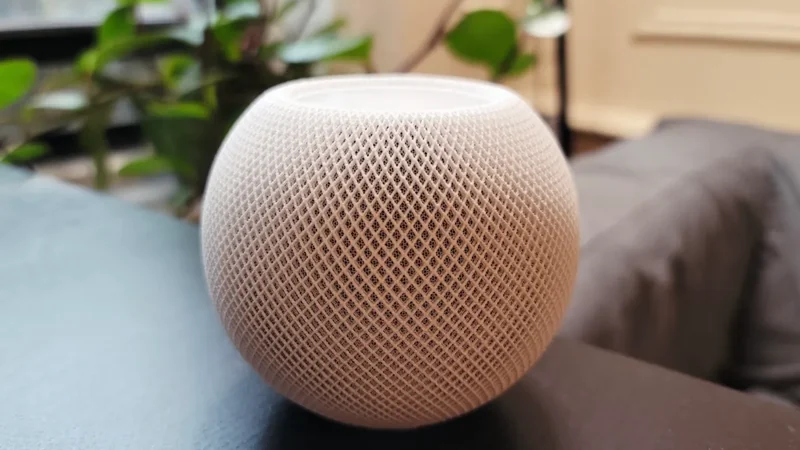
New home hardware is long overdue for the company. Apple previously announced the HomePod Mini on October 13th, 2020, exactly six years to the day prior to this week's event, while the newest Apple TV 4K model is four years old.
New Hardware and Rumored Products
According to Bloomberg, Apple plans to release a dedicated smart home display alongside a refreshed HomePod Mini and Apple TV. Reports indicate that the display may be called HomeView, marking Apple's first dedicated Apple Home hardware since the launch of the HomeKit platform in 2014.
MacRumors reports that the trademark filing for the device points toward the HomeView name. The smart display is reportedly designed to serve as the heart of Apple Home, acting as a complete reboot of the ecosystem.
Navigating the Smart Display Market
The smart display category carries a bumpy history across the technology industry. Amazon and Google have launched multiple generations of voice- and touchscreen-controlled smart speakers capable of handling smart home gadgets, security camera feeds, and video calls, though innovation in the space has remained limited.
Leaked details suggest Apple's product will feature a 6-inch square display mounted on a speaker base or configured as a wall-mounted option. It is expected to include facial recognition for personal messages and calendar displays, a minimalist touchscreen interface for controlling locks and thermostats, and support for FaceTime and intercom calls.
The Role of Siri AI and Software
While Apple has spent years behind Google and Amazon in smart-home hardware, industry analysts note that success in the home depends far more on software capabilities. The upcoming smart display is reported to launch with a brand-new homeOS built around Siri AI.
Generative AI has the potential to revitalize smart home assistants by expanding capabilities and improving conversational interactions. Current HomePods and Apple TV devices still rely on older, more basic versions of Siri when responding to user commands.
Ecosystem Challenges and Opportunities
Bringing generative AI into the home presents significant roadblocks for major tech companies due to the complicated, multi-user environment of residential spaces. Smart home systems interface directly with critical infrastructure like locks, HVAC systems, and security setups, increasing the stakes for accurate automation.
Open standards such as Matter and Thread have helped address interoperability challenges, but software platforms remain responsible for making the smart home functional. Apple's restructured architecture and Home app overhaul from four years ago established a cleaner foundation for building an AI-powered smart home experience.
Sources
- The VergeHow Apple can win the smart home
Continue chronologically

Related entity coverage
Related stories
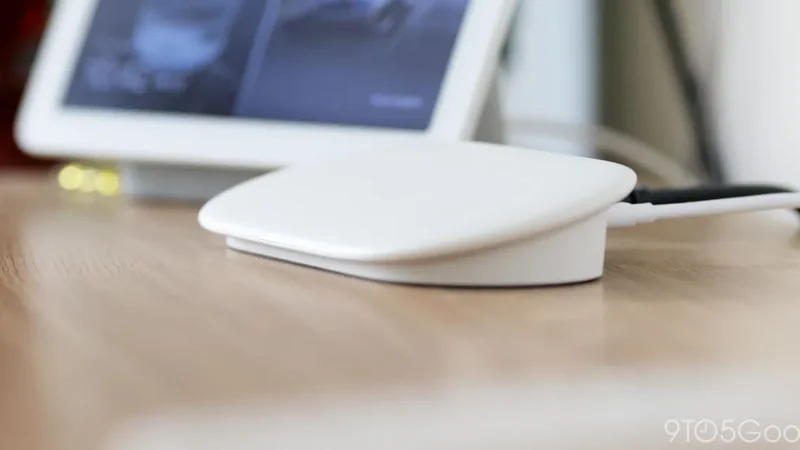
Google TV Streamer Sequel Highlights Smart Home Strategy Challenges
Google is reportedly preparing a next-generation TV Streamer, but the hardware lineup faces mounting competition and calls for ecosystem updates.
Amazon October Prime Day Deals Guide Highlights Tech Sales
Explore the best October Prime Day deals featured in the guide by The Verge, covering laptops, mobile devices, and popular consumer electronics.
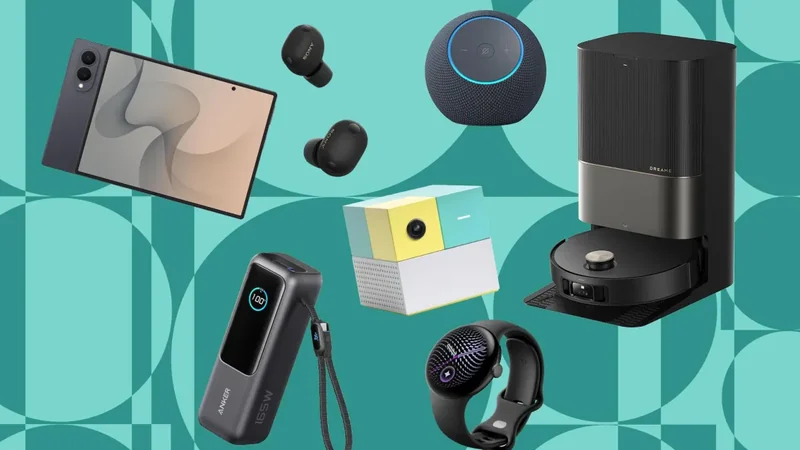
October Prime Day Tech Deals Highlight Apple, Sony, and Google Gear
Explore the top October Prime Day tech deals featuring major discounts on Apple, Sony, Google, and alternative retailers offering savings on gadgets.
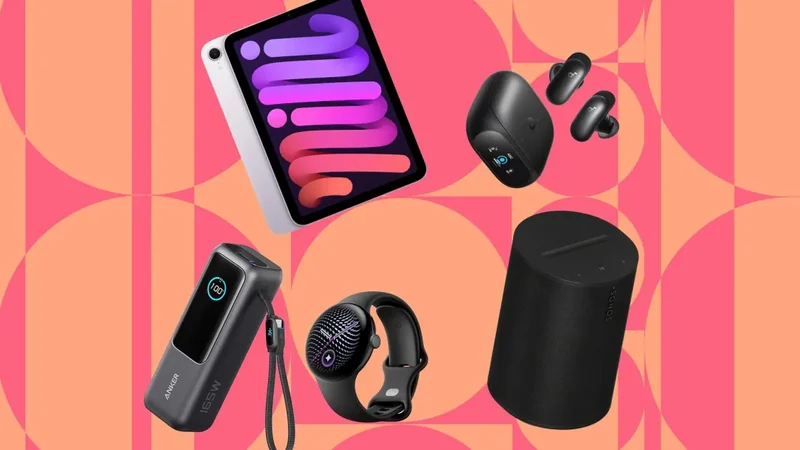
Apple to Reveal HomeView Smart Home Hub on Tuesday
Apple is reportedly set to announce its new Siri-powered HomeView smart home hub on Tuesday, alongside updates to the Apple TV and HomePod mini.