Google AI Search Features Upend Online Publishing
The launch of Google's AI-driven search features has disrupted the digital publishing ecosystem, causing widespread traffic declines and prompting industry-wide adaptations.
 Radwan AbdulhadiEditor and technology writer

The Evolution of Search and Publishing
For a long time, the digital publishing industry relied heavily on Google. Outlets spent considerable time and money optimizing their webpages to reach the top of the search engine, aiming to secure reader clicks and brand discovery. In return, publishers populated Google's search index with content while Google supplied exposure and traffic. However, this reciprocal relationship has experienced significant friction following the introduction of AI search features.
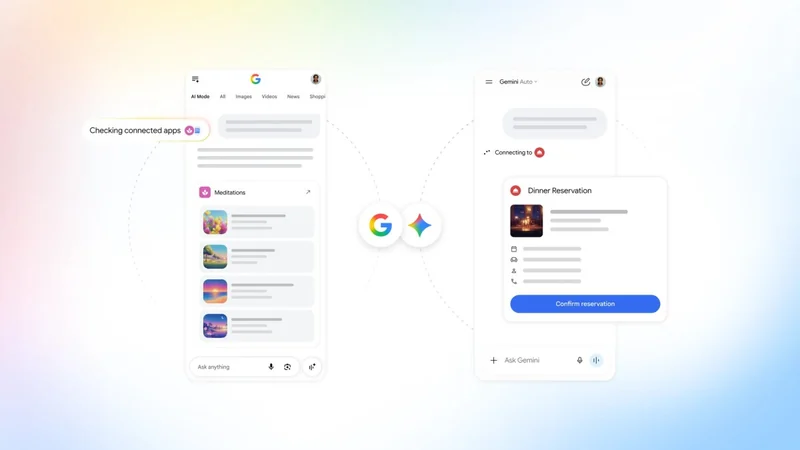
The implementation of new AI search features has altered how users interact with online content. Instead of traditional search results, Google introduced capabilities like AI Overviews, which slot an AI-generated summary at the top of the search page. For further details on these developments, readers can follow Emma Roth.
Rollout of AI Overviews and Traffic Impact
Google first rolled out AI Overviews to summarize web pages at the top of search results, placing sources beneath the summary. Despite a shaky start involving various hallucinations, the feature immediately sparked concern. The News/Media Alliance warned that the tool would prove catastrophic to web traffic, a sentiment echoed by subsequent investigations.
An investigation by the Press Gazette revealed that AI Overviews appeared for nearly a quarter of news-related searches, replacing media sites that previously held top spots. Furthermore, Pew Research found that users are less likely to click on external links when an AI Overview is present on the page.
Documented Traffic Declines Across Publishers
The warnings from trade organizations materialized as measurable traffic losses. Reports from various media outlets and analytics firms highlighted steep drops in search traffic beginning around 2022 and worsening through 2025. Digital Content Next reported that 19 of its members experienced traffic losses ranging from 1 to 25 percent between May and June 2025.
Additionally, DMG Media informed the UK's Competition and Markets Authority that click-through rates dropped by up to 89 percent due to the effects of AI Overviews. These figures contrast with statements from Google executives, such as search head Liz Reid and senior vice president Nick Fox, who argued that the web remains thriving and click volume has stayed relatively stable.
Legal Challenges and Regulatory Scrutiny
Faced with declining audience metrics, publishers worldwide have pursued legal action against Google. Courts have scrutinized these complaints, with US District Judge Amit Mehta dismissing an antitrust case brought by Chegg and Penske Media, alongside a separate proposed class action lawsuit filed by Arkansas newspapers regarding AI Overviews.
Regulatory bodies have also turned their attention to the changes. In response to UK regulatory orders, Google introduced an option allowing publishers to opt out of appearing in AI Mode and AI Overviews without affecting their standard search visibility.
Industry Adaptations and Pilot Programs
To offset falling search revenue, online publishers have shifted strategies by leaning more heavily onto social media, direct subscriptions, and email newsletters. Simultaneously, Google has introduced modifications to its interface, making source links more prominent and placing in-line links higher up in responses.
To mend relationships with the publishing industry, Google launched a News AI pilot program involving roughly 400 publishers, alongside testing a separate program to compensate publishers for utilizing their content within AI search summaries.
Sources
- The VergeGoogle’s AI search changes upended online publishing
Continue chronologically


Related entity coverage
Related stories
When You Should—and Shouldn’t—Use AI to Search the Web
Discover when AI chatbots excel at web searches and when traditional search engines still deliver better, more trustworthy results.

Reddit CEO: Google AI Mode Fails to Drive Platform Traffic
Reddit CEO Steve Huffman stated during an earnings call that Google's AI-powered search modes fail to drive platform traffic, impacting publishers.

Google Fined €403 Million by Irish Regulator for Privacy Breach
Ireland's Data Protection Commission has fined Google $463 million for mishandling location data in violation of the EU’s strict privacy regulations.
Google Opens Gemini and Search to More Apps With Connected Platform
Google debuts a new developer platform allowing businesses to connect their third-party apps directly to Gemini and Google Search.