
HEMA Builds HAL Assistant with MCP and Bedrock
The 100-year-old Dutch retailer HEMA has transformed its internal engineering knowledge access by developing HAL, an AI assistant built on Amazon Bedrock AgentCore.
 Radwan AbdulhadiEditor and technology writer
Overcoming Portal-Hopping and Fragmentation
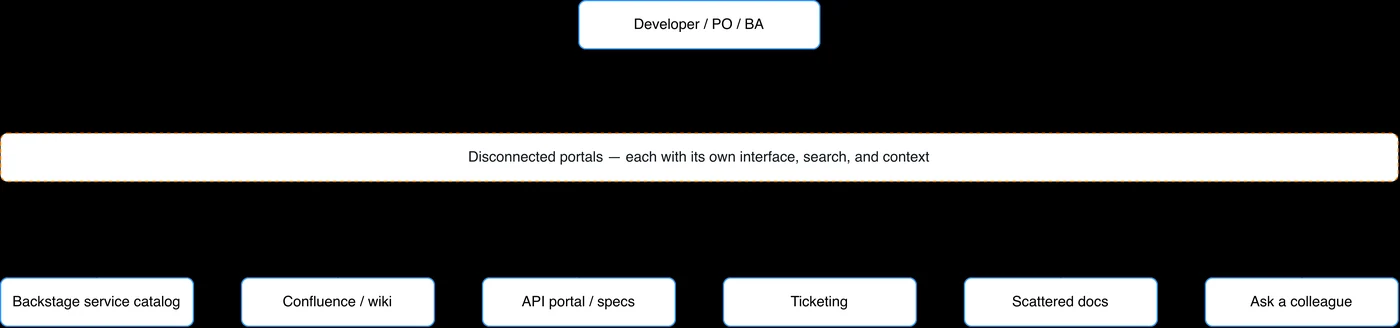
For years, engineers and teams navigating the technology landscape at HEMA faced significant operational friction. As a 100-year-old Dutch retailer operating over 750 stores across multiple countries, the company relies on a technology organization spanning engineers, product owners, and business analysts to drive digital transformation. However, finding answers often required portal-hopping across disconnected wikis, service catalogs, and IT portals.
While HEMA maintained a structured service catalog mapping people to teams, services, and business capabilities, procedural questions regarding how to perform specific tasks lacked a single home. Informal communication channels stopped scaling as the organization grew, creating slow onboarding for new joiners and inconsistent answers across different internal sources.
Introducing HAL and Model Context Protocol
To solve these challenges, HEMA developed HAL, an internal AI assistant designed to consolidate fragmented knowledge into a single governed source of truth. By leveraging Model Context Protocol, the architecture delivers relevant knowledge directly inside the daily tools teams already use, such as the HAL chat interface, Kiro, and other developer environments.
The protocol provides a standardized interface between AI clients and backend capabilities, ensuring that HEMA did not need to build bespoke integrations for every separate knowledge source and client application.
Leveraging Amazon Bedrock AgentCore
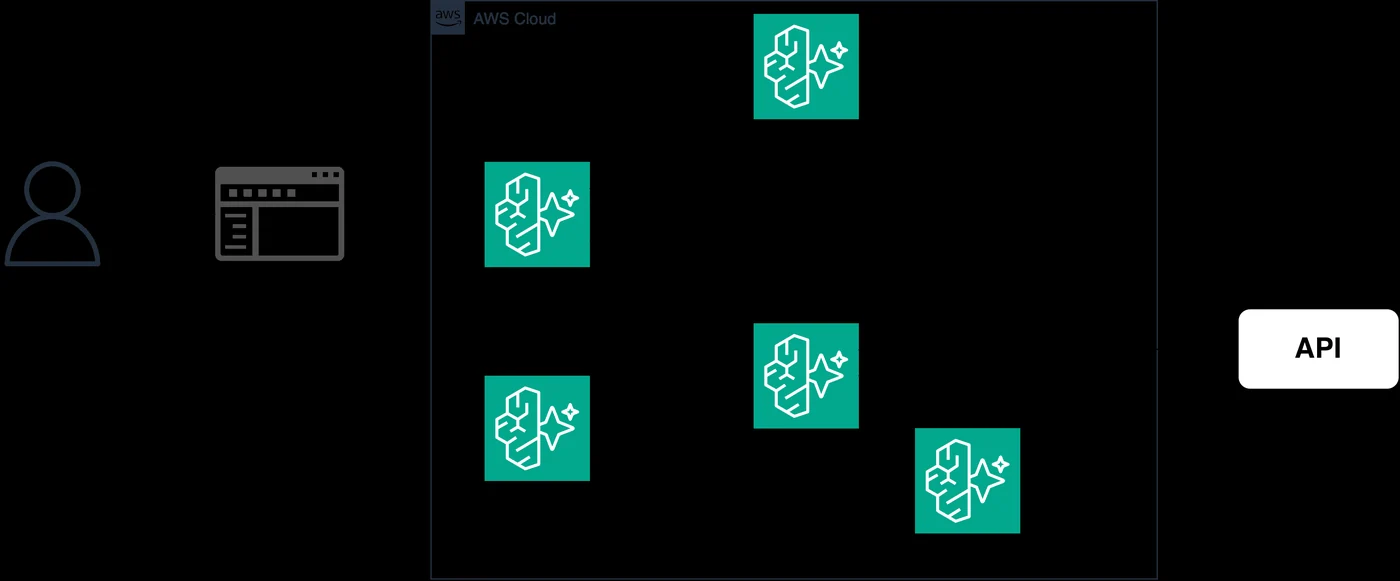
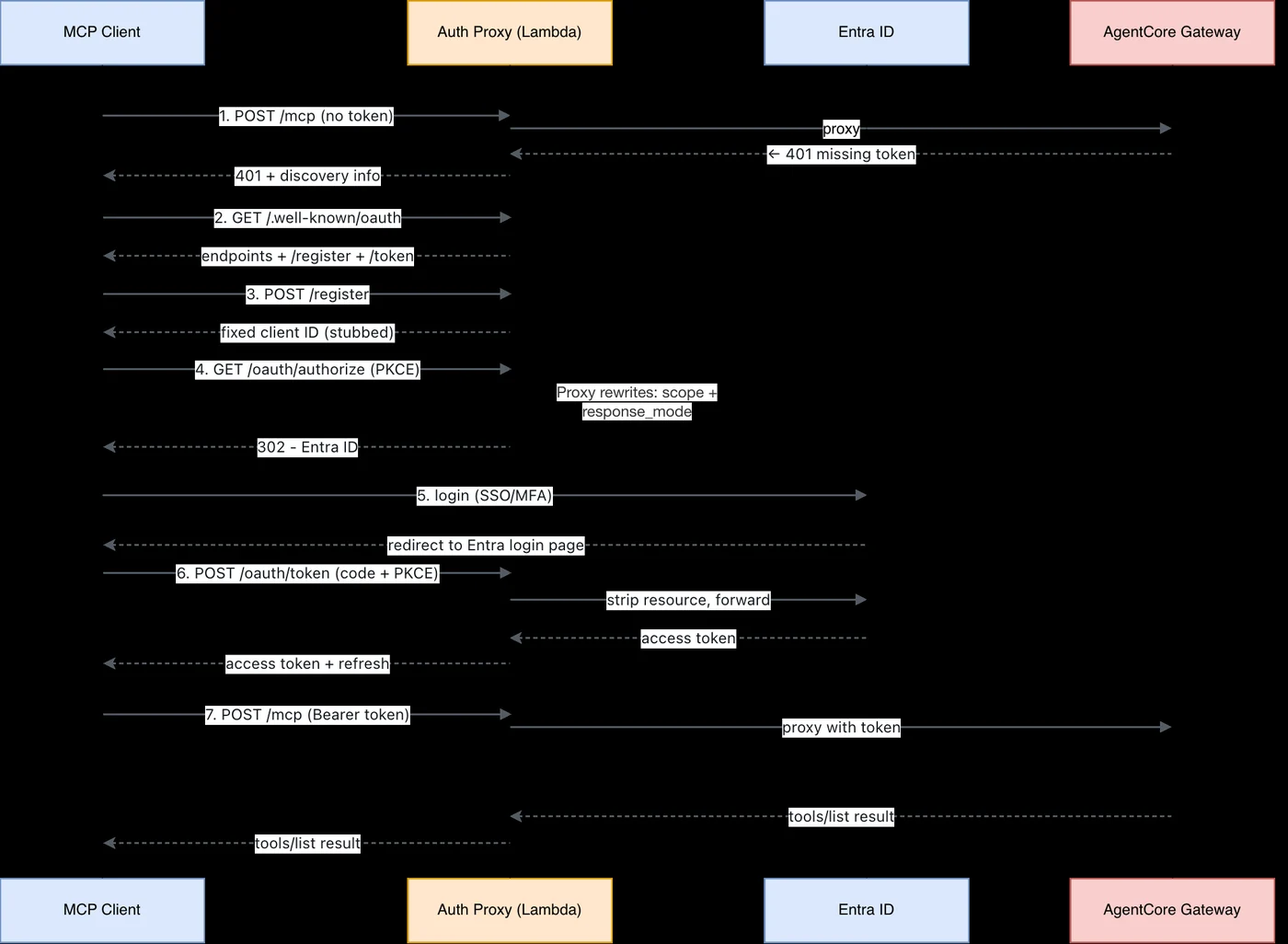
The technology stack behind HAL relies heavily on Amazon Bedrock AgentCore, which allowed HEMA to build, connect, and optimize agents at scale without managing custom server infrastructure. Key capabilities included the Gateway feature, which translates OpenAPI specifications and AWS Lambda functions directly into tools.
Additionally, the platform's Identity management handles incoming JSON Web Token authentication alongside outbound OAuth2 to internal APIs, while the Runtime hosts the internal agent container. Security remains securely anchored in Microsoft Entra ID without exposing AWS credentials on the client side.
Evolution of the Assistant Architecture
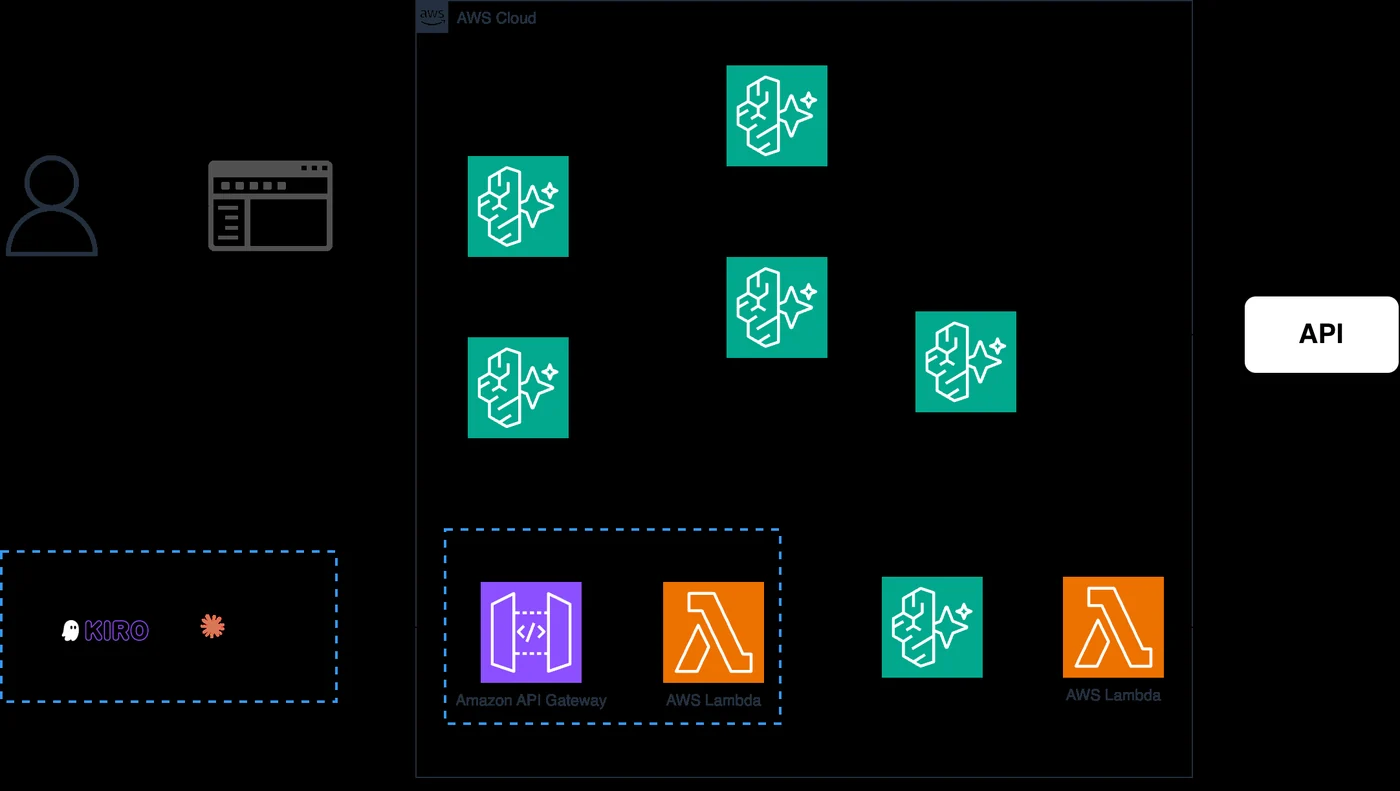
HAL was developed in two deliberate phases. The initial iteration functioned as a self-contained web chat user interface built with Next.js, backed by an agent capable of answering queries from knowledge bases. Once this foundation proved reliable, the team expanded its reach.
Integration with external clients like Claude enabled teams to query structured and unstructured data seamlessly from their primary working environments, shifting procedural knowledge retrieval from a time-consuming chore into an instantaneous process.
Sources
- AWS Machine Learning BlogFrom portal-hopping to instant answers: HEMA’s journey with MCP and Amazon Bedrock