DoorDash CEO Reveals AI Agents Drive Very Few Orders
Despite widespread tech industry interest in leveraging large language models for commerce, external AI agents are currently responsible for only a tiny fraction of activity on the DoorDash platform.
 Radwan AbdulhadiEditor and technology writer
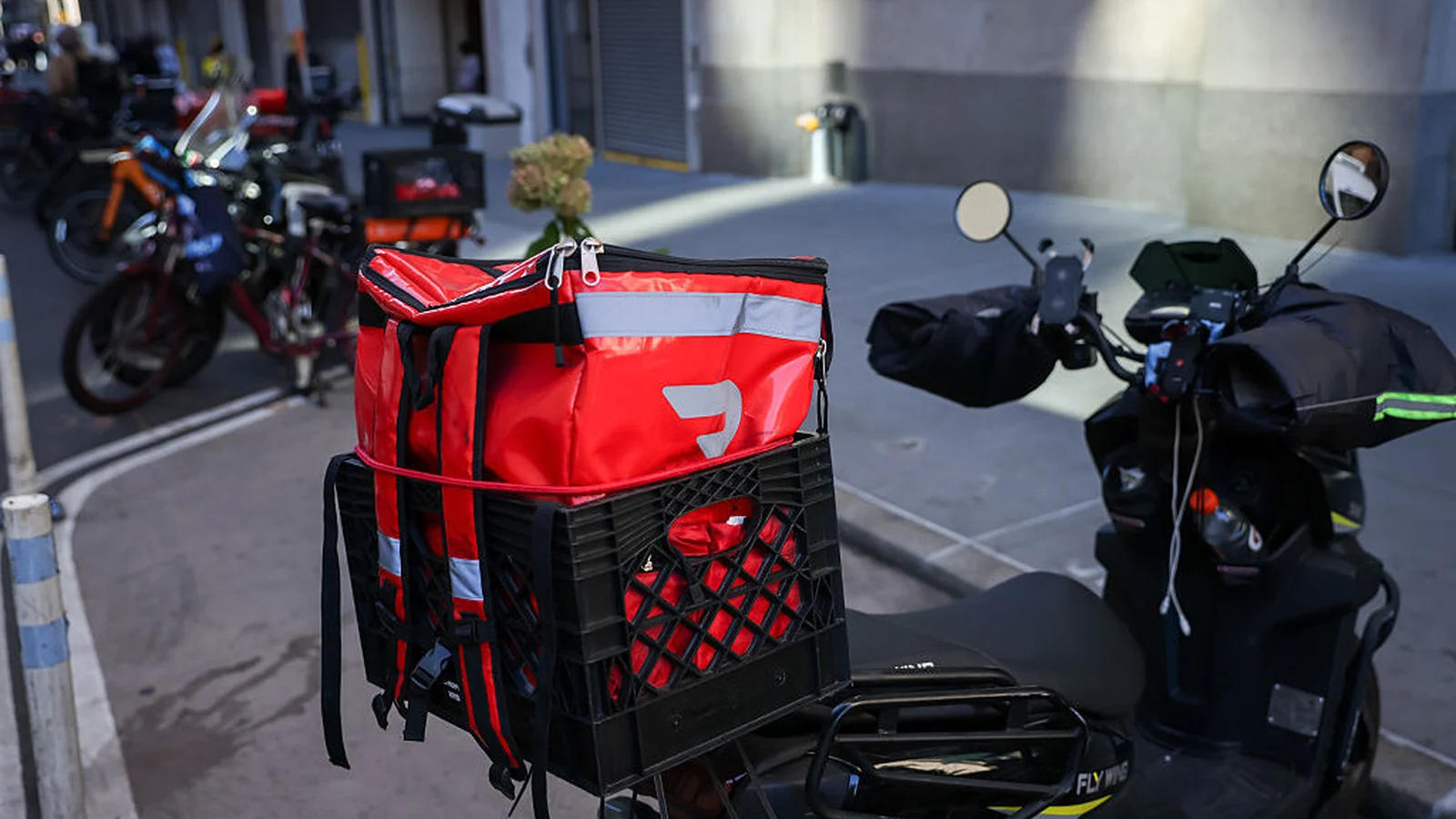
Early AI Agent Orders on DoorDash Remain Low
As tech firms continue trying to use LLMs to streamline online commerce, the actual adoption of outside AI agents for everyday tasks remains extremely modest. According to details shared during a third-quarter earnings call Thursday by DoorDash co-founder and CEO Tony Xu, external AI agents have only managed to drive several hundred orders since going live on the platform.
Xu characterized the current volume as a 'very low use case' for the food delivery giant, especially considering that the platform processed just under 1 billion total orders during the third quarter of 2026 alone.
Where AI Agents Make Sense According to Leadership
While quick food delivery transactions currently bypass external AI bots in favor of direct platform usage, leadership believes artificial intelligence still holds distinct value elsewhere. Xu noted that he sees true potential for AI agents in 'long consideration purchases' and major decisions where automated systems can proactively handle background work on behalf of the user.
However, when consumers face simple tasks like ordering food, they consistently prefer to interact directly with the DoorDash service rather than routing the request through an external autonomous agent.
Infrastructure and the Model Context Protocol Connector
To provide fair context to AI advocates, the technical bridge enabling these interactions is still in its infancy. DoorDash rolled out its Model Context Protocol (connector) less than a month ago to establish an open-standard mechanism allowing third-party tools to place orders on the platform.
At present, this connector is restricted to a small circle of early beta partners and is primarily utilized to streamline corporate lunch orders. Without this direct integration, outside AI tools must navigate web interfaces through more cumbersome methods to complete transactions.
Internal AI Features Show Stronger Engagement Metrics
While third-party agents lag behind, DoorDash's native internal AI features report much stronger performance indicators. The company rolled out this summer an 'Ask DoorDash' tool capable of constructing an online shopping cart from recipe photos or interpreting open-ended prompts like family dinner descriptions.
Data shared by the company indicates that baskets built via Ask DoorDash are assembled five times faster than traditional methods. Furthermore, these orders average nearly 50 percent higher basket values and include roughly 60 percent more unique items compared to standard customer orders.
Parallel to Early Digital Ordering History
The sluggish start for external agentic food ordering draws historical parallels to Pizza Hut’s first tentative online ordering experiments in 1994, an era when digital delivery seemed distant from mainstream habits.
Whether AI agent commerce will eventually become ubiquitous remains to be seen, but current executive sentiment remains grounded. As Xu stated regarding the technology trend: 'My take on all things technology is you never want to fight gravity. But at the same time, you don’t want to be delusional.'
Sources
- Ars TechnicaBasically no one is using AI agents for their DoorDash orders
Continue chronologically


Related stories
DoorDash Reveals Only 'Several Hundred' AI Agent Orders
DoorDash revealed during its third-quarter earnings call that it has only received several hundred orders from third-party AI agents.
DoorDash Announces Acquisition of Instacart for $17 Billion
DoorDash has agreed to acquire rival delivery service Instacart in a $17 billion transaction designed to expand online grocery capabilities.
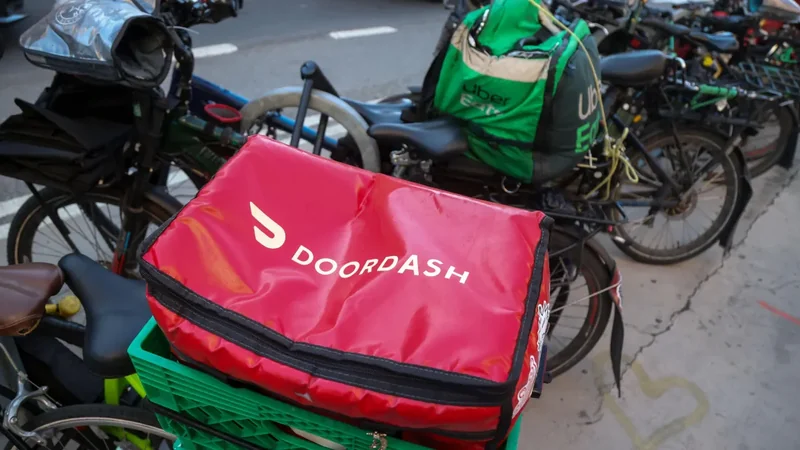
DoorDash Unveils 2026 Updates, New Codes, and Robots
Explore the latest DoorDash updates for October 2026, including new promo codes, the Going Out dine-in program, and DoorDash Dot delivery robots.

Meta’s Muse AI Agent Stirs Big Hopes But Low Business Impact
Meta’s new Muse AI agent has sparked intense corporate discussion, but major companies report minimal transaction volume and low early disruption.