US Data Center Bans Delay Only Three Projects
Despite hundreds of local moratoriums enacted across the United States, a detailed project-by-project analysis shows that the vast majority of planned data center buildouts remain unaffected.
 Radwan AbdulhadiEditor and technology writer
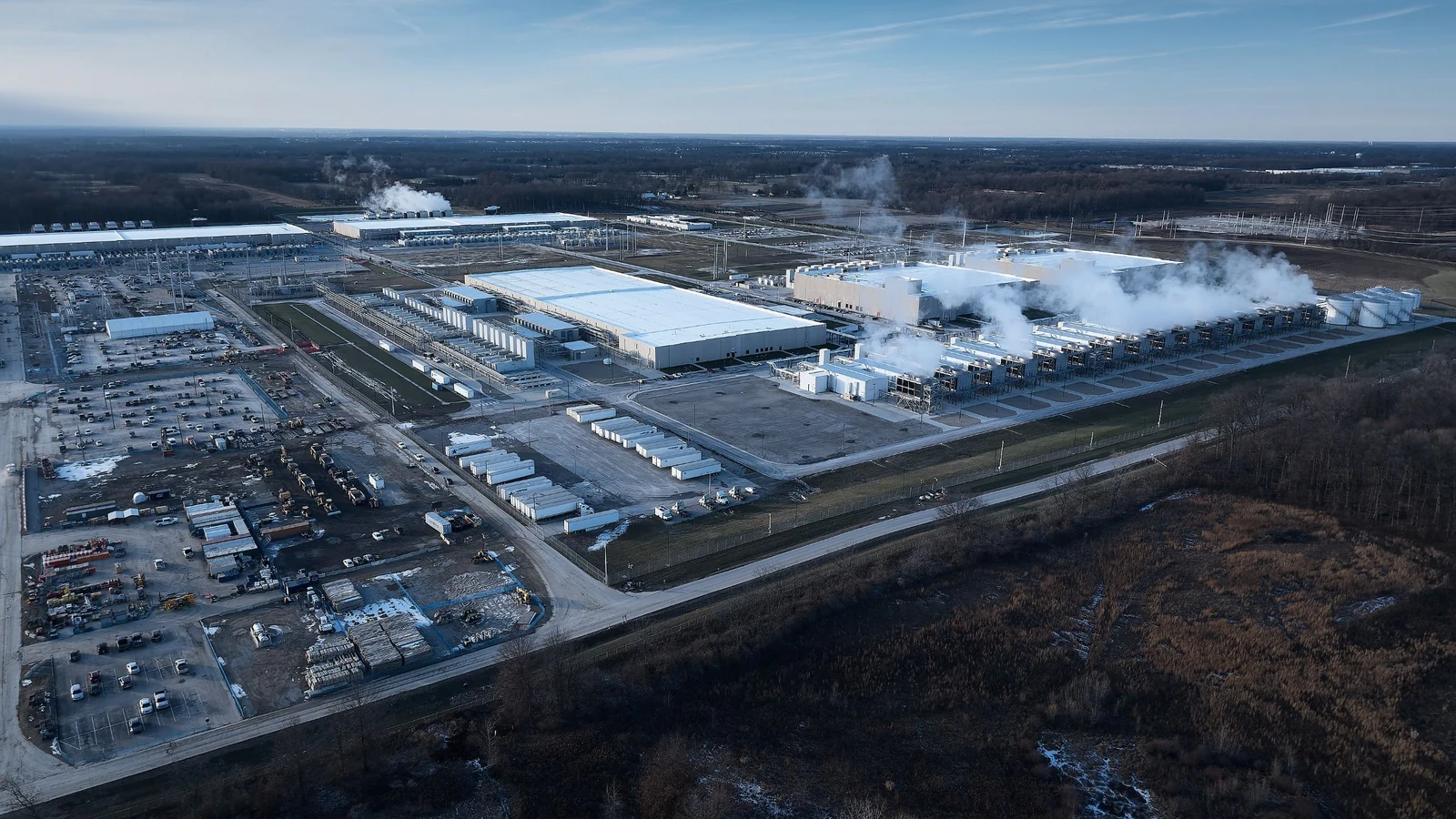
Local Moratoriums and Actual Impact
More than 300 local data center construction moratoriums have had a surprisingly limited impact on planned buildouts across the United States. According to findings shared on X, only three projects accounting for about 2.3 out of 21 gigawatts of data centers located in moratorium areas are likely to be delayed. This data was detailed in a report published by <a href="https://newsletter.semianalysis.com/p/everyone-says-datacenter-moratoriums">SemiAnalysis</a>, which mapped local restrictions against the broader national pipeline. Further details are available from Tom's Hardware in the original source material.
While public perception suggests that local bans are halting the national buildout, forecasts have remained remarkably stable. The overall industry outlook includes 38 gigawatts of United States data center IT capacity slated to come online next year, representing more than double the capacity seen in 2026. Of that total, 22 gigawatts are currently under vertical construction, while the remaining 16 gigawatts are primarily financed with ongoing site work.
Why Most Bans Fail to Hinder Construction
A project-by-project audit of the various local moratoriums indicates that they frequently miss the specific site, the necessary permit, or the correct timeline. Analysts working alongside research agents discovered several reasons for the general ineffectiveness of these local laws. Crucially, moratoriums do not revoke existing approvals. Furthermore, short-term freezes often expire before upcoming projects require new permits, and existing equipment lead times or litigation frequently dictate the overall schedule.
For a local moratorium to successfully shift a delivery date, every condition must align perfectly. The restriction must reach the specific parcel, remain actively in force, overlap with the project timeline, and cover the intended land use in a way that developers cannot circumvent. Capacity that is already under construction or fully permitted remains entirely out of reach of these temporary legal pauses.
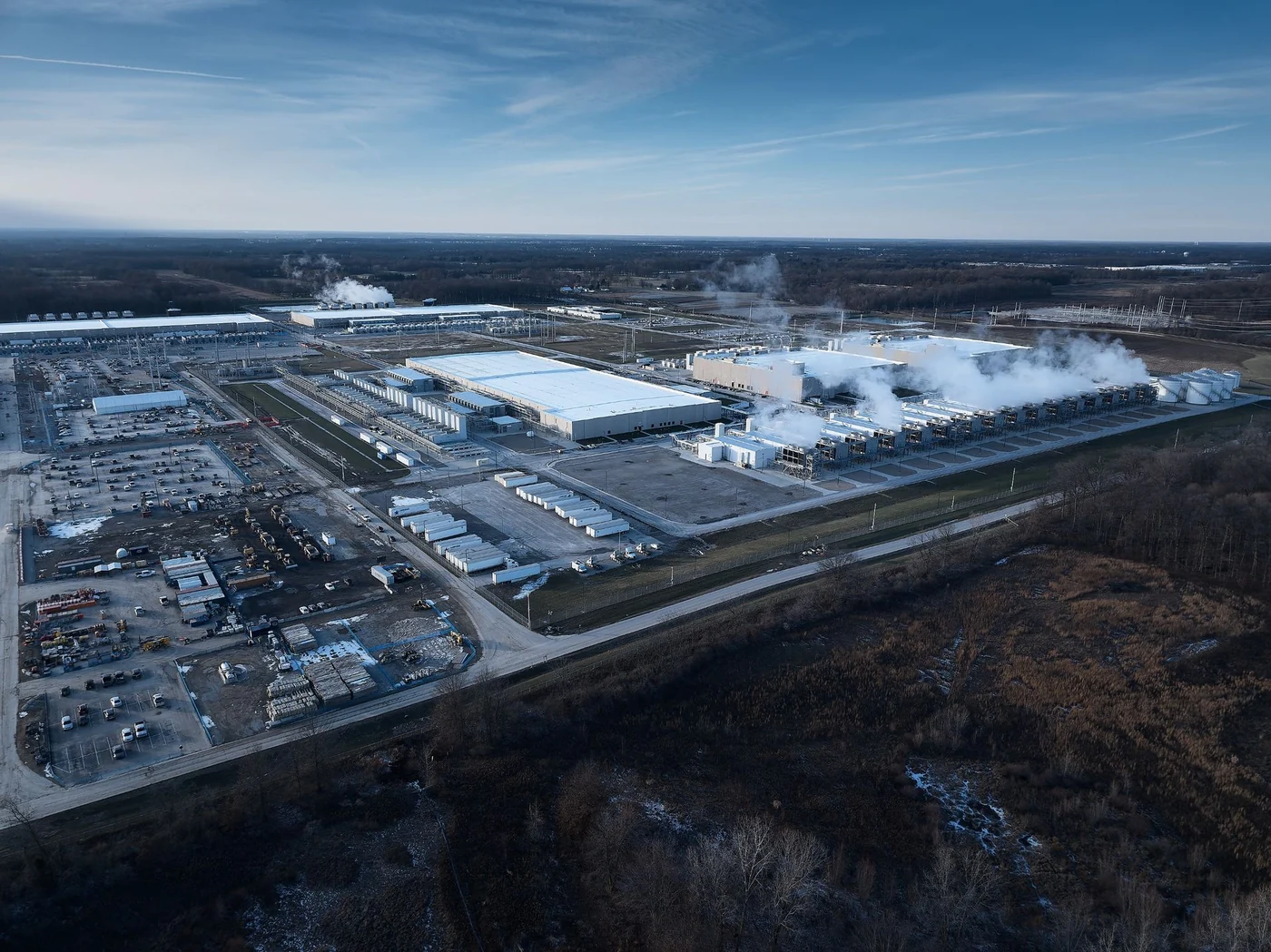
Examples Across Different States
The disparity between enacted bans and actual pipeline exposure is evident in multiple states. For instance, Michigan has 45 enacted moratoriums but effectively zero pipeline exposure. A Google campus within the state sits securely on industrial land that is already zoned for data processing. Similarly, SpaceX planned a data center in Brownsville, Texas, on land that the city previously removed from its municipal limits, placing it safely outside the reach of local restrictions.
In contrast, a moratorium did succeed in halting a project where a Pennsylvania township adopted a pause before NorthPoint filed for its special exception. Although local approval was subsequently pushed to the following year, the company continues to pursue the project.
State-Level Directives and Future Outlook
The calculated 2.3 gigawatt figure leaves out broader state actions, such as the directive issued by Texas Governor Greg Abbott. Governor Abbott instructed the Texas Commission on Environmental Quality to halt the issuance of permits for data center projects. According to the law firm Bracewell, this pause applies regardless of whether a project is currently in the Electric Reliability Council of Texas queue, with expectations that the restriction will remain until the council finishes its review.
As noted in reporting from <a href="https://twitter.com/cantworkitout/status/2111255192238698636">October 17, 2026</a>, analysts continue to monitor how state-level interventions and localized moratoriums will influence long-term infrastructure forecasting and geographic placement.
Sources
- Tom's Hardware300-plus local data center bans have only delayed just three US projects
Continue chronologically

Related entity coverage
Related stories
Satlyt Raises $8M to Run AI Software on Satellites
Satlyt has raised an $8 million seed round to build open, horizontally integrated software for running artificial intelligence on satellites.

Senate Investigation Alleges AI Data Center Claims Mislead Public
A U.S. Senate investigation accuses AI data center developers of misleading the public regarding community costs, permanent jobs, and tax benefits.

Anthropic Files S-1 Prospectus for Nasdaq IPO
Anthropic has filed its S-1 prospectus with the SEC to list on Nasdaq under the ticker ANT, detailing financials, risks, and compute deals.

Wolves Roam Finnish Villages After Google Clears Forests
Google's unauthorized forest clearing for AI data centers in Finland forces displaced wolves and wildlife to roam into nearby residential villages.